What x402 enables for data sellers
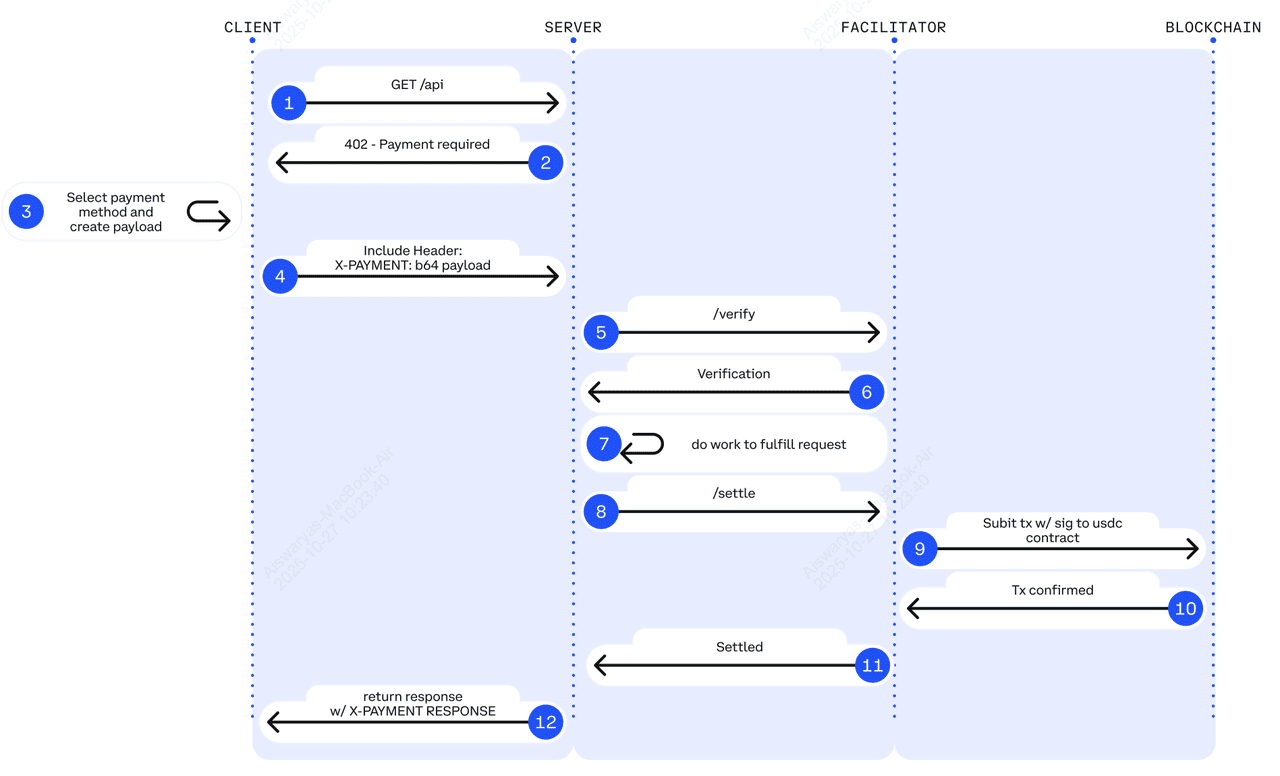
x402 is an HTTP standard where the server returns a 402 status code with payment instructions, allowing agents to pay via crypto before accessing the resource. This protocol transforms how premium data is sold by removing the friction of manual checkout flows. For providers of research feeds, it means your API can automatically charge buyers and AI agents for access without requiring a traditional merchant account or subscription portal [src-serp-5].
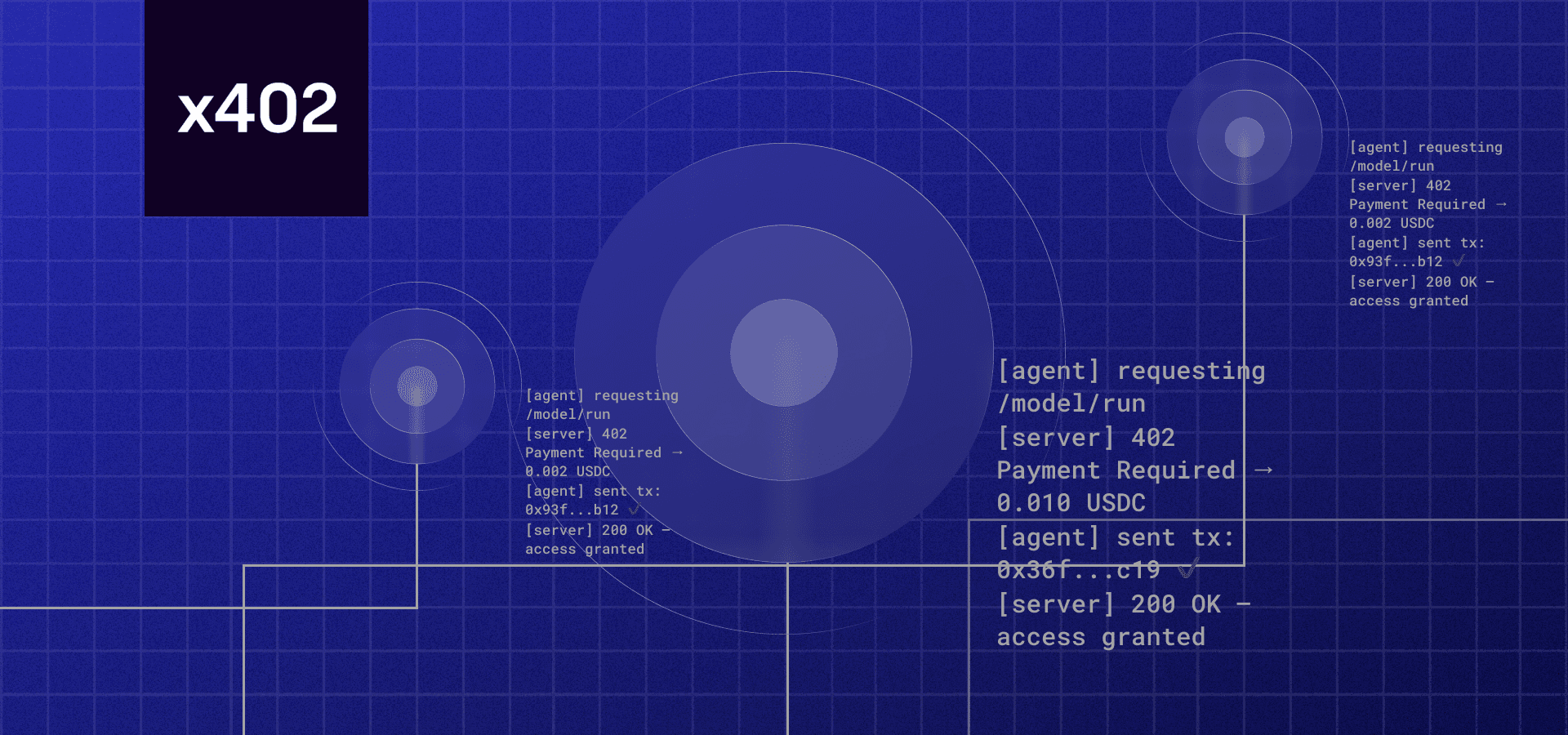
Instead of blocking requests with a generic error, an x402 endpoint returns a specific response that includes the price and payment details. The AI agent then executes the transaction and presents the proof of payment to complete the request. This creates a direct, machine-to-machine economy where high-value data, such as real-time market insights or specialized research, can be monetized at the point of access [src-serp-2].
This approach is particularly valuable for premium research feeds because it aligns payment with usage. Sellers no longer need to manage complex billing cycles or chase down unpaid invoices. The protocol ensures that payment is verified before the data is delivered, reducing fraud and administrative overhead while enabling seamless integration with autonomous AI systems.
Infrastructure for premium research feeds
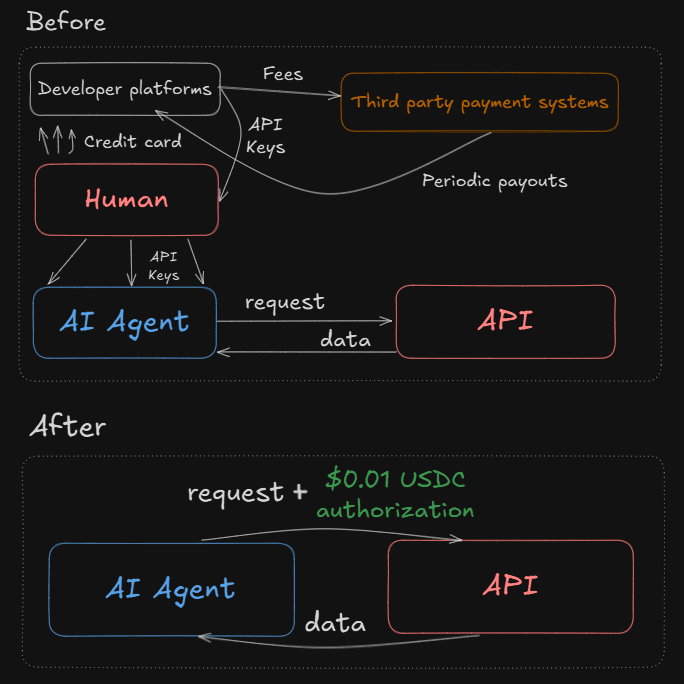
Building an x402 endpoint for premium research feeds requires shifting from simple API authentication to a transactional architecture where data access is gated by payment. Unlike traditional subscription models that rely on static API keys, this approach treats every data request as a micro-transaction, ensuring that high-frequency data streams are compensated in real-time. The core of this infrastructure is the facilitator layer, which acts as the intermediary between your data provider and the consuming AI agent or client.
The facilitator handles the complex logic of verifying USDC payments on-chain before releasing data. When a client requests a premium feed, the facilitator intercepts the call, checks for a valid payment signature, and only then forwards the request to your backend. This ensures that you are not exposed to chargebacks or fraudulent access, as the payment is settled on-chain via smart contracts before the data leaves your server. For high-frequency feeds, this process must be optimized to add minimal latency, often requiring dedicated RPC nodes and efficient signature verification routines.
Wallet integration is the next critical component. Your endpoint must be able to accept payments from a variety of wallet types, from simple web wallets to autonomous AI agent wallets. This requires implementing robust error handling for failed transactions and ensuring that your system can gracefully reject requests from wallets with insufficient funds or expired signatures. The Coinbase Developer Platform provides a solid foundation for this, offering tools to streamline the integration of x402 payments into your existing API infrastructure.
USDC is the preferred settlement asset for these feeds due to its stability and widespread adoption in the DeFi ecosystem. By pricing your data in USDC, you reduce volatility risk for both you and your clients. The following chart illustrates the recent stability of USDC against the dollar, a key factor in choosing it for high-frequency trading data feeds.
To understand how different payment gateways compare in terms of fees and integration complexity, consider the following breakdown of common approaches for handling x402 transactions.
| Component | Latency Impact | Integration Effort |
|---|---|---|
| Direct On-Chain Verification | High | High |
| Facilitator Service | Low | Medium |
| Third-Party Gateway | Medium | Low |
Monetization strategies for AI agents
When you shift from offering free data to selling premium research feeds, the pricing model dictates how your x402 endpoints perform. Autonomous agents operate on different economic logic than human users. They do not care about monthly subscriptions; they care about cost-per-token and reliability. To maximize revenue, you must structure your endpoints to align with these machine-driven workflows.
Pay-per-request for high-value insights
The most straightforward approach for premium research is a pay-per-request model. This works best when your data is specialized, such as deep-dive market analysis or proprietary sentiment scores. Agents can call your x402 endpoint, pay the micro-transaction, and receive the exact slice of data they need. This model reduces friction for buyers because they only pay for what they consume. It also protects your margins on expensive computational resources. For example, a single request might cost a fraction of a cent, but the value to the agent’s decision-making process is high.
Token-based or volume tiers
For agents that require continuous monitoring, a tiered volume model often yields higher lifetime value. You can structure your x402 responses to include usage metadata that tracks request volume. Agents that exceed a certain threshold can be moved to a higher tier with better latency or priority routing. This encourages loyalty without locking the agent into a rigid subscription. It mirrors how cloud providers charge for API calls, scaling costs with usage. This approach is particularly effective for financial feeds where data freshness is critical and agents need to poll frequently.
Hybrid models for complex feeds
Some research feeds benefit from a hybrid approach. You might offer a base layer of data via a low-cost subscription or monthly credit bundle, while charging premium rates for on-demand deep dives. This allows agents to maintain a baseline of awareness while accessing specialized insights when needed. The key is to ensure your x402 endpoints can handle these mixed billing signals seamlessly. Your endpoint should return clear status codes and cost estimates before the agent commits to a heavy query. This transparency builds trust with the autonomous systems integrating your data.
Key tools and integrations
Building x402 endpoints for premium research feeds requires a stack that handles both API logic and microtransactions. You need a way to accept payments, verify them, and serve the data—all without friction. The x402 ecosystem provides the foundational pieces, but you’ll likely need to assemble them yourself.
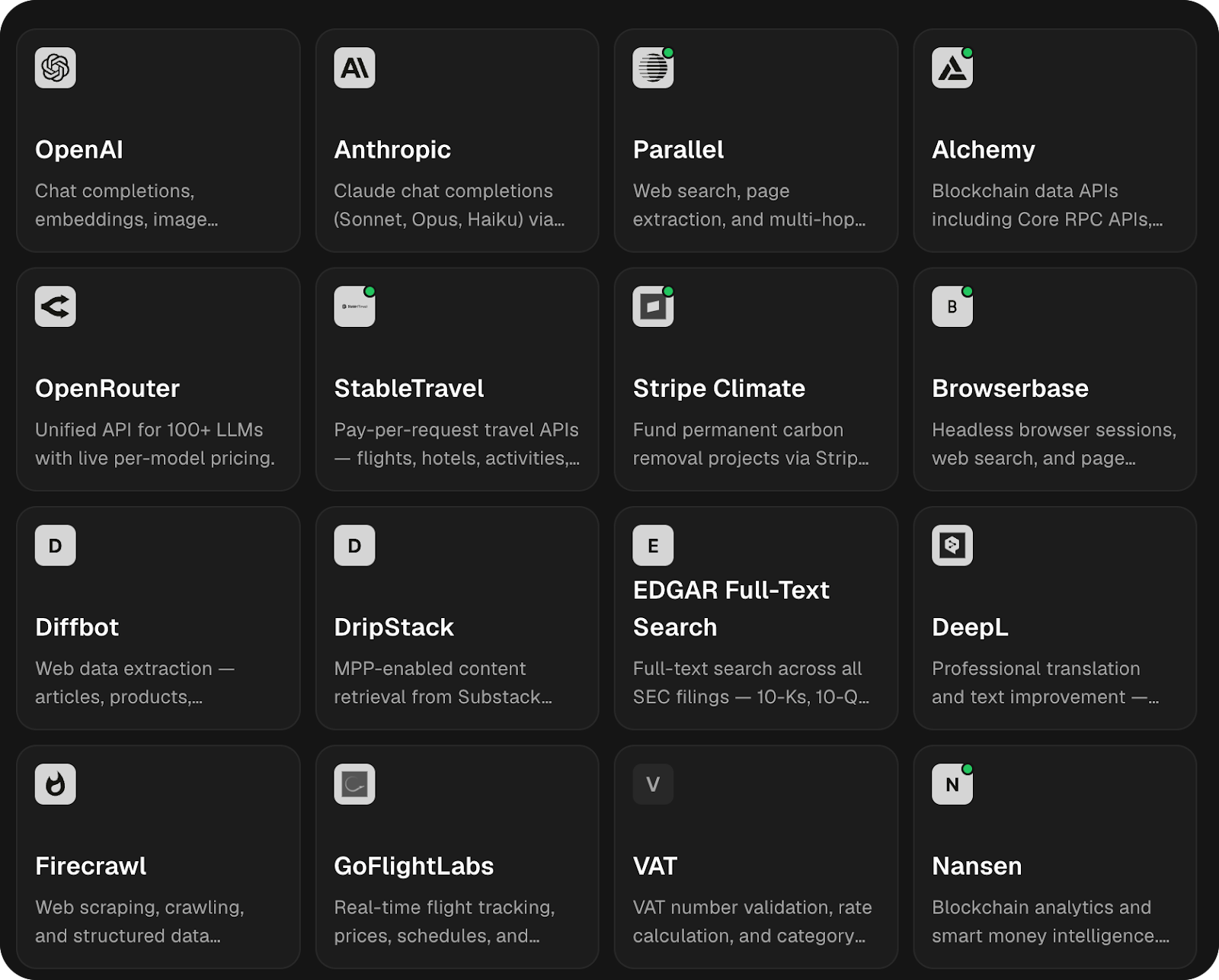
Start with a facilitator or middleware layer. These tools abstract the complex crypto payment logic, allowing you to focus on your research data. Look for integrations that support both fiat and crypto settlements, as your research clients may prefer one over the other. The official x402 ecosystem directory lists verified partners and implementation paths, which is the best place to start your search for reliable middleware.
For wallets and payment processing, choose a solution that can handle high-frequency, low-value transactions efficiently. Gas fees can eat into your margins if you’re not careful. A lightweight wallet integration that supports batched transactions or layer-2 solutions is often the most cost-effective choice for premium feeds.
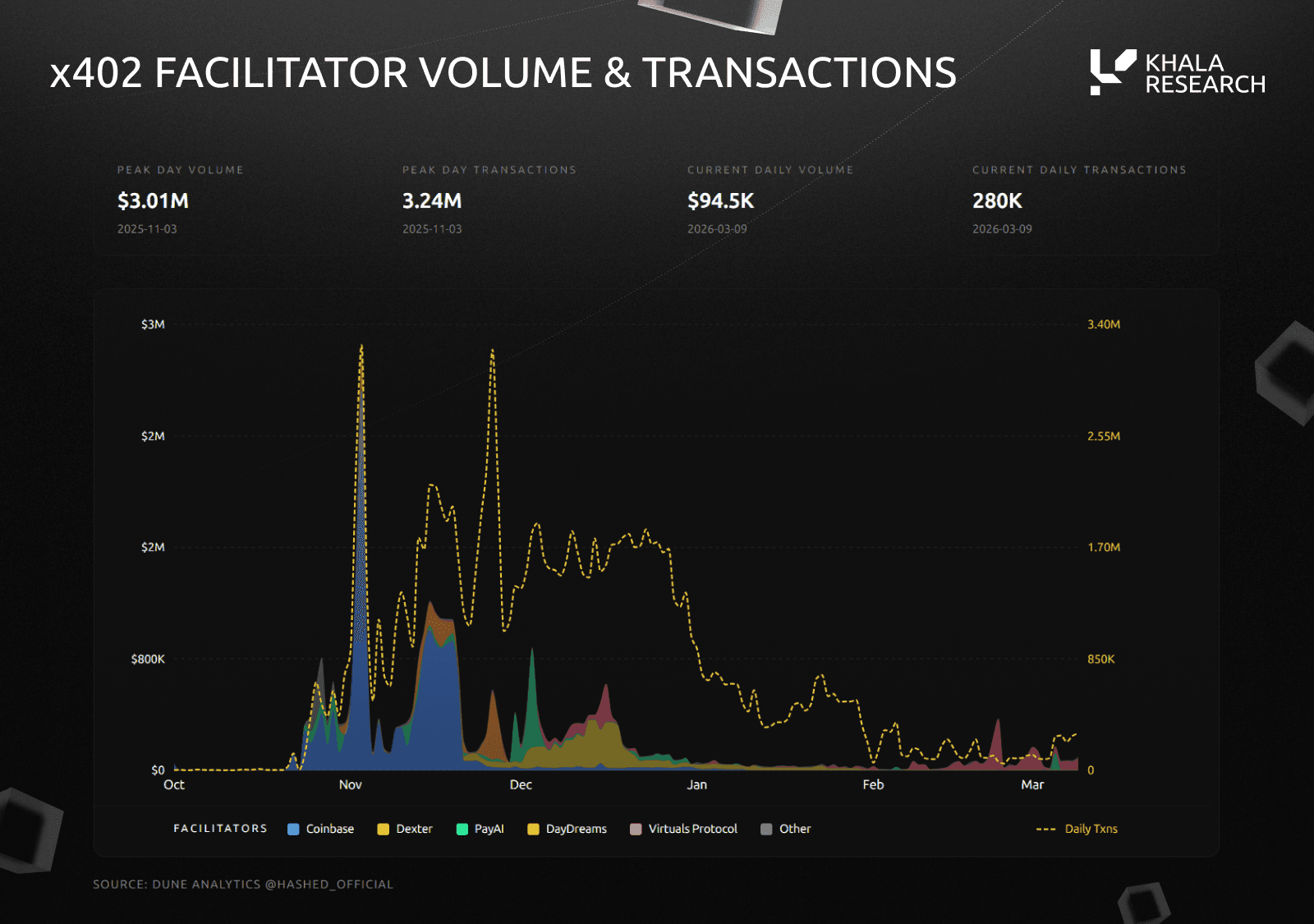
To see how the broader market is valuing these underlying assets, you can track the performance of the relevant cryptocurrencies. This helps you gauge the volatility risk of accepting crypto payments for your research data.
Recommended Developer Tools
Finding the right libraries and frameworks can save you weeks of development time. Below are some essential tools for building x402-compliant endpoints.


As an Amazon Associate, we may earn from qualifying purchases.
Implementation checklist for sellers
Launching x402 endpoints for premium research feeds requires a disciplined workflow. You are not just adding a payment button; you are building a trust layer where buyers—often autonomous agents—verify payment before accessing sensitive data. Follow this checklist to ensure your endpoint is secure, priced correctly, and tested against real-world conditions.
Decide how you will charge for access. Will you use a flat fee per call, a subscription model, or a tiered structure based on data depth? For premium research feeds, per-call pricing is common because it aligns cost with value. Ensure your pricing logic is hardcoded or clearly documented so your API can return the correct x-payments-amount header in responses.
You need a reliable way to process USDC payments. Most sellers integrate with a facilitator like Thirdweb or Coinbase Developer Platform’s x402 facilitator. This component handles the complex blockchain interactions, allowing your server to focus on verifying the payment status. Configure your facilitator to listen for specific transaction hashes that correspond to your API requests.
Never trust the client-side. Your server must independently verify the payment on-chain or through the facilitator’s API. Check that the transaction is confirmed, the amount matches your pricing, and the recipient address is yours. Only after this verification is complete should you return the research data. This step is critical to prevent revenue leakage.
Before going live, use testnets to simulate buyer interactions. Verify that your API correctly rejects unpaid requests and accepts paid ones. Test edge cases, such as partial payments or expired transactions, to ensure your error handling is robust. This phase helps you catch integration bugs without risking real funds or damaging your reputation with early users.
Once tested, deploy your endpoint to production. Set up monitoring to track payment success rates, latency, and error logs. Be prepared to adjust your pricing or verification timeouts based on real-world feedback. Continuous monitoring ensures your x402 endpoints for premium research feeds remain reliable and profitable over time.
No comments yet. Be the first to share your thoughts!