X402 endpoints premium research limits to account for
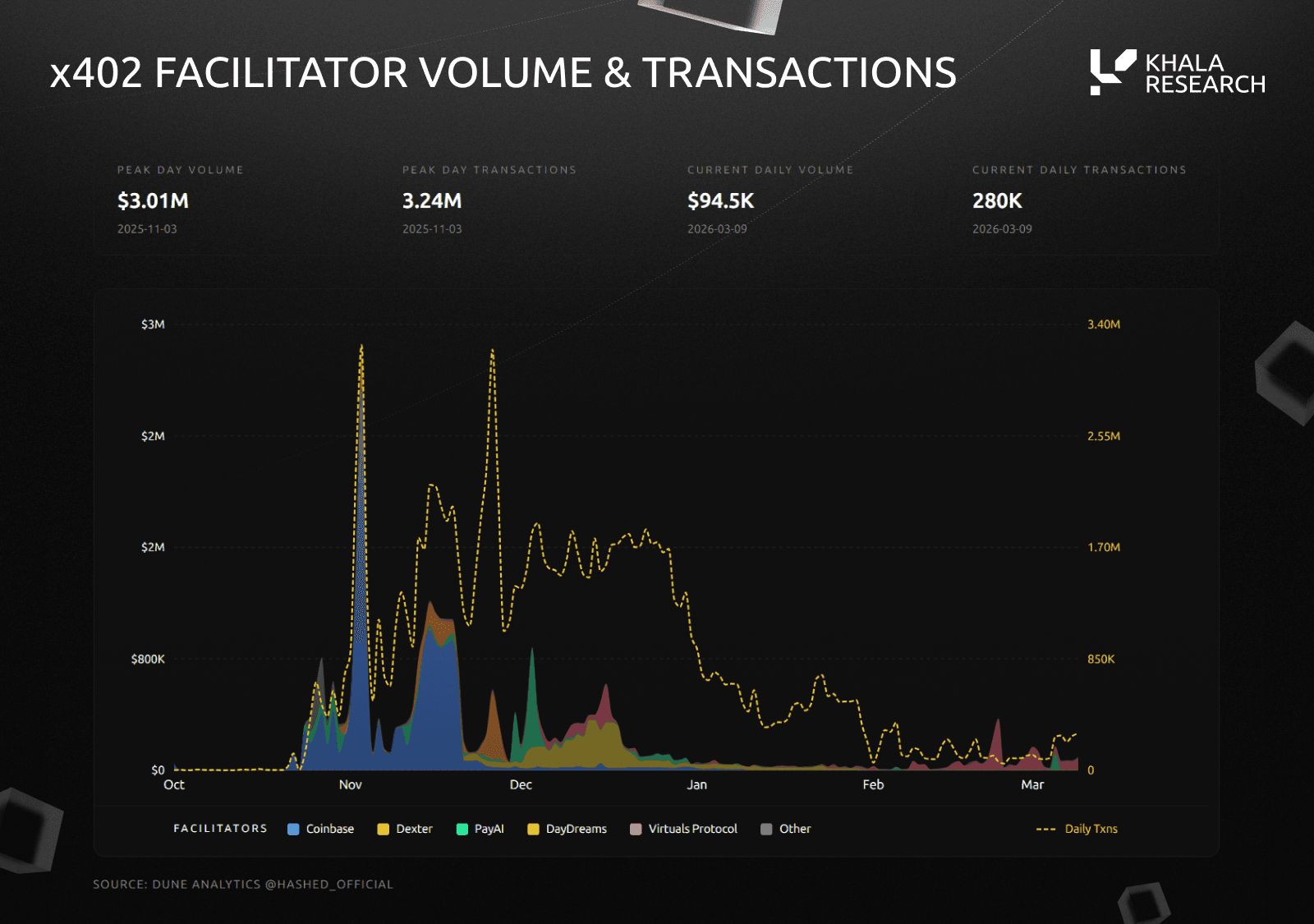
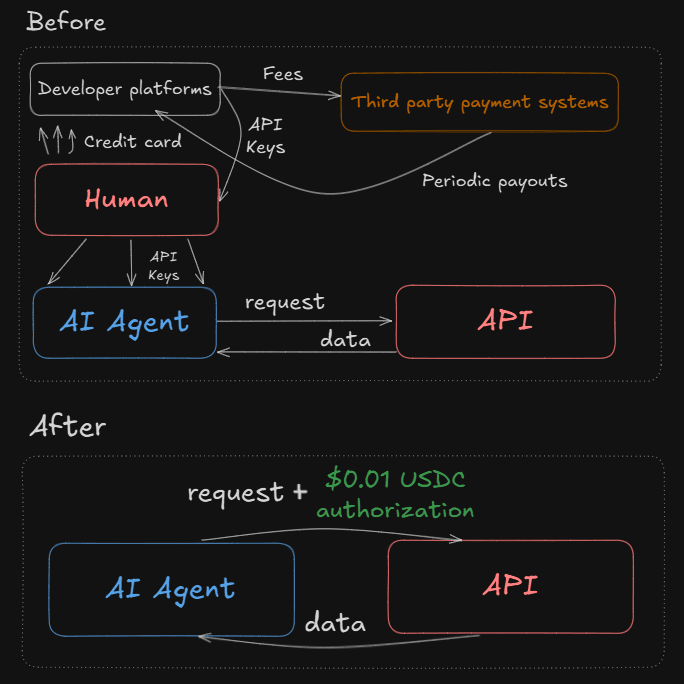
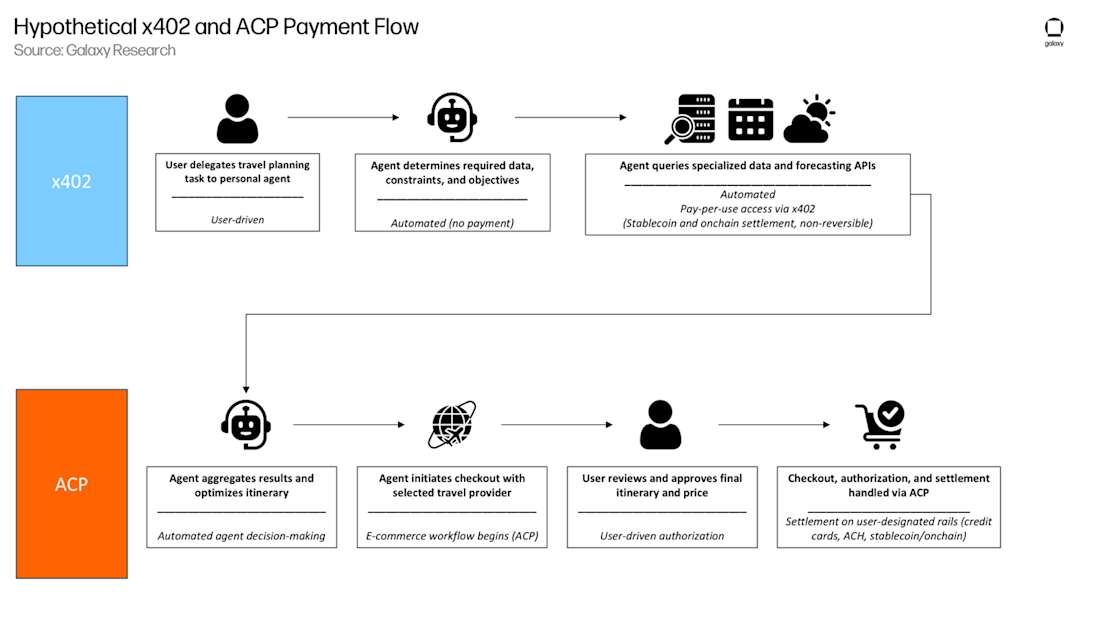
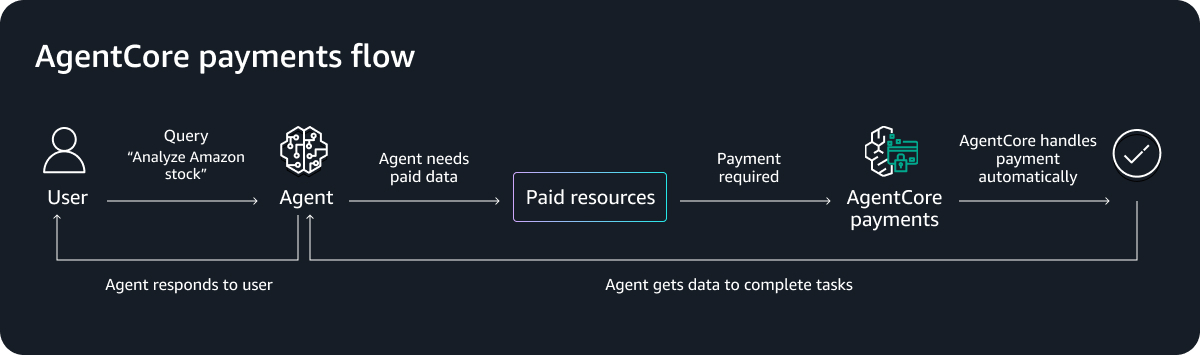
X402 introduces a protocol layer where machine-to-machine payments happen at the API call level. For premium research feeds, this changes the fundamental constraint from bandwidth or API rate limits to liquidity and settlement speed. Your agent no longer needs a static subscription; it pays per query, converting data access into a liquid, on-chain asset.
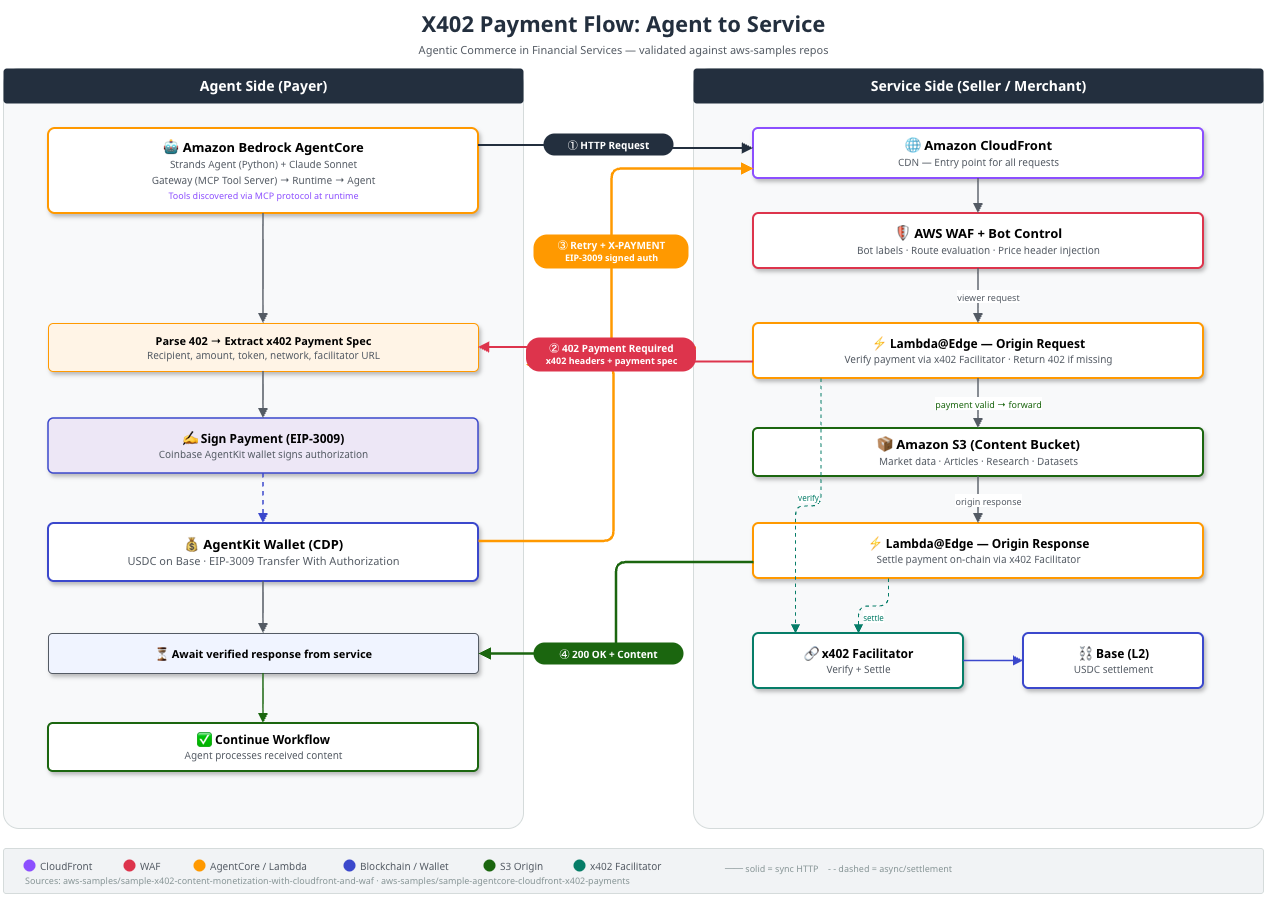
The primary challenge is ensuring the endpoint reliably validates payment before delivering high-value data. If the settlement layer is slow or the validation logic is loose, your premium research becomes vulnerable to free-riding agents. You must implement strict payment-gating that rejects requests without confirmed proof of payment, typically using stablecoins like USDC for predictable pricing.
This model shifts your cost structure from fixed overhead to variable expenses. You pay only for the data you actually use, which is ideal for volatile markets where research needs spike unpredictably. However, it requires your agents to manage wallet balances and transaction fees, adding operational complexity to your data pipeline.
To make this work, you need endpoints that support x402 natively or through a facilitator. Look for integrations that handle the payment verification automatically, so your agent focuses on analysis rather than transaction management. The ecosystem is growing, with early adopters in cloud and crypto sectors leading the way.
X402 endpoints premium research choices that change the plan
When integrating x402 endpoints into your agent-commerce stack, you are balancing immediate liquidity against data integrity and latency. Premium research feeds—such as real-time market data, institutional-grade analytics, or specialized AI inference—require more than just a payment gateway; they demand a protocol that handles micro-transactions without introducing friction that degrades the user experience.
The primary tradeoff lies in the settlement layer. While x402 enables instant, permissionless payments via stablecoins like USDC on Base, the cost and speed of that transaction directly impact the viability of high-frequency data requests. If the gas fees or facilitator costs exceed the value of a single data point, the model breaks down for low-tier subscribers. You must evaluate whether your endpoint architecture can absorb these micro-costs or if you need to batch requests to maintain margin.
Another critical factor is the reliability of the payment facilitator. The x402 ecosystem relies on intermediaries to route payments and verify access. If a facilitator goes offline or experiences congestion, your premium feed becomes inaccessible, regardless of the underlying data quality. For premium research, downtime is not just an inconvenience; it is a breach of contract. You need endpoints that offer fallback mechanisms or redundant facilitator paths to ensure continuous service.
Finally, consider the granularity of access control. Premium research often requires tiered access based on usage volume, data freshness, or specific fields. x402 endpoints must be designed to parse complex payment proofs and grant differentiated access levels dynamically. If your endpoint cannot distinguish between a basic user and a premium subscriber at the protocol level, you risk revenue leakage or over-provisioning resources.
| Evaluation Factor | Settlement Speed | Micro-Transaction Cost | Failover Support | Granular Control |
|---|---|---|---|---|
| Base Layer (USDC) | ~2 seconds | Low (<$0.01) | Moderate (Dependent on Facilitator) | Basic (On/Off) |
| Layer 2 Aggregators | <1 second | Very Low | High (Redundant Paths) | Advanced (Tiered) |
| Legacy API Keys | Instant (No Payment) | N/A | High (Enterprise SLAs) | Advanced (Role-Based) |
Choose the next step
2026 guide: Leveraging x402 Endpoints for Premium Research Feeds in the Agent-Commerce Era works best as a clear sequence: define the constraint, compare the realistic options, test the tradeoff, and choose the path with the fewest hidden costs. That order keeps the advice usable instead of decorative. After each step, pause long enough to check whether the recommendation still fits the reader's actual situation. If it depends on perfect timing, unusual access, or a best-case budget, include a simpler fallback.
Avoid the weak options
The easiest mistake with 2026 guide: Leveraging x402 Endpoints for Premium Research Feeds in the Agent-Commerce Era is comparing options on the most visible detail while ignoring the day-to-day constraint. A choice can look strong on paper and still fail because it is too hard to maintain, too expensive to repeat, or awkward in the actual setting. Use the same checklist for every option: fit, cost, durability, timing, upkeep, and fallback plan. That keeps the comparison practical instead of drifting into preference alone.
The simplest way to use this section is to write down the real constraint first, compare each option against it, and choose the path that still works outside ideal conditions.
X402 Endpoints for Premium Research Feeds
Before integrating x402 endpoints into your agent infrastructure, it is helpful to address the practical hurdles of deployment and cost. The protocol simplifies machine-to-machine commerce by embedding payments directly into the HTTP layer, but it introduces new dependencies for agents that must navigate crypto wallets and network latency.
Helpful gear
Use these product recommendations as a starting point, then choose the size, material, and price point that fit how you actually use the gear.

As an Amazon Associate, we may earn from qualifying purchases.
No comments yet. Be the first to share your thoughts!