Get x402 endpoints premium research right
Before deploying any x402 endpoints for premium research, verify that your infrastructure can handle the specific requirements of payment-gated data. The protocol relies on stablecoin transactions—typically USDC—to unlock API access. If your server cannot reliably process these blockchain signals, your research feed will fail under load.
Verify Wallet and Facilitator Setup
You need a funded wallet capable of signing transactions and a facilitator to bridge the payment to your API. Use a trusted facilitator like Thirdweb's x402 implementation to handle the verification logic. This removes the need to build custom smart contract interactions for every endpoint.
Configure Rate Limits and Error Handling
Premium research feeds often face high concurrency. Set strict rate limits on your x402 endpoints to prevent abuse. Configure your server to return clear error codes when payment verification fails, allowing clients to retry or switch to a different provider.
Test with Small Transactions
Run a test sequence using minimal USDC amounts to ensure the endpoint responds correctly. Check that the data is delivered only after the transaction is confirmed on-chain. This step prevents costly debugging later when live users are paying for access.
-
Fund wallet with USDC
-
Install x402 facilitator SDK
-
Set endpoint rate limits
-
Run test transaction
Work through the steps
Setting up an x402 endpoint for premium research feeds requires a precise sequence of infrastructure choices. You are building a system where data access is gated by immediate micropayments, typically in stablecoins like USDC. The goal is to ensure that a researcher can retrieve high-value data without friction, while you receive payment instantly and reliably.
This process moves from local development to public deployment. Each step builds on the previous one, ensuring that your API logic, payment facilitation, and infrastructure are aligned before you expose the endpoint to the market.
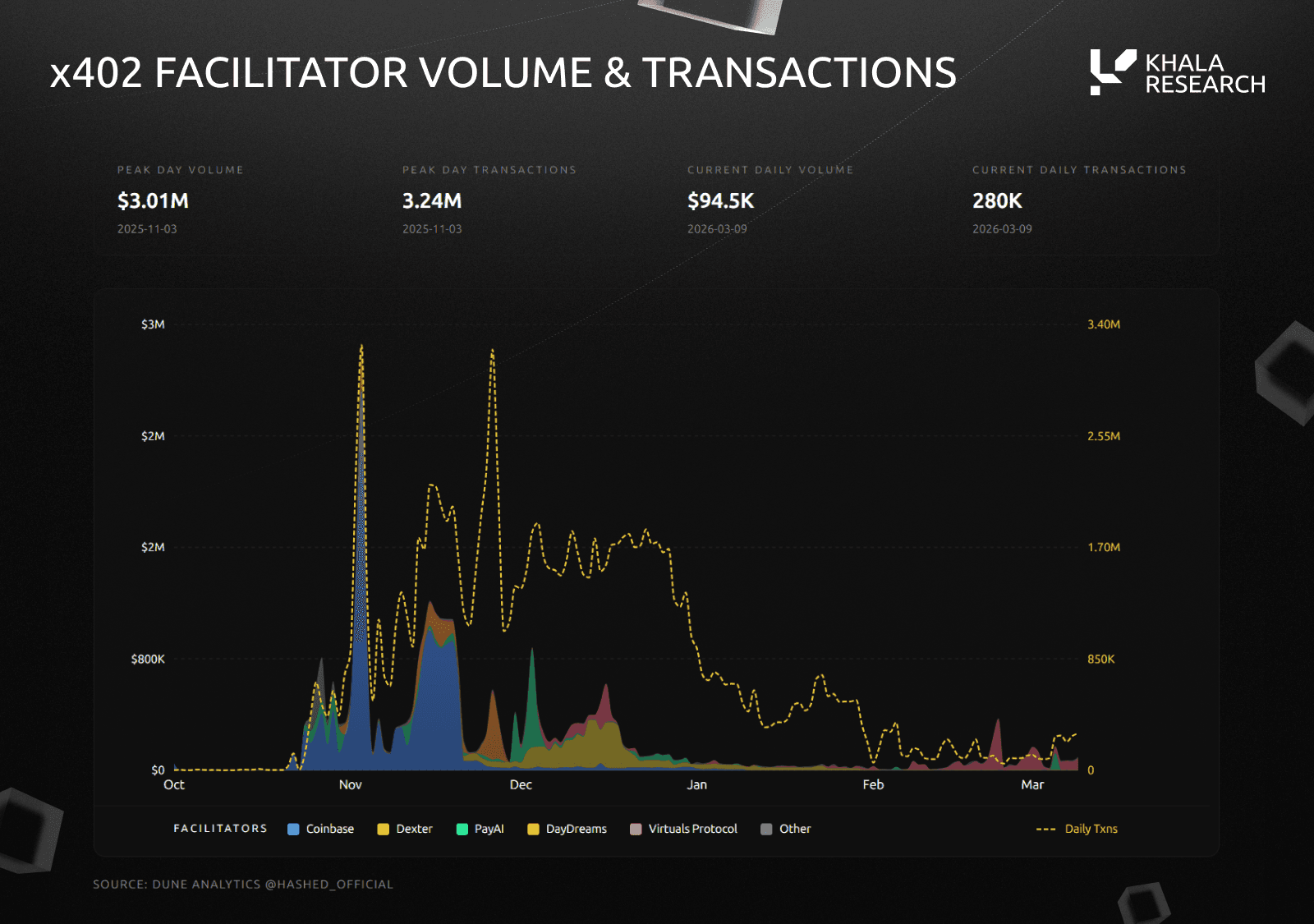
Begin by setting up the x402 facilitator, which acts as the bridge between your API and the blockchain. Use a framework like Next.js combined with Thirdweb’s facilitator to handle the payment logic. This component validates that a valid payment has been made before allowing access to your research data. Install the necessary dependencies and configure your environment variables to point to the correct network, such as Polygon or Base, where transaction costs remain low for micropayments.
Create the specific API endpoint that will serve your premium research feed. Wrap your data retrieval logic inside a middleware function that checks for a valid x402 payment header. If the payment is missing or invalid, the API should return a 402 Payment Required error with a clear instruction on how to pay. If the payment is verified, the facilitator passes the request through, and your API returns the requested dataset. This ensures that only paying users can access the premium information.
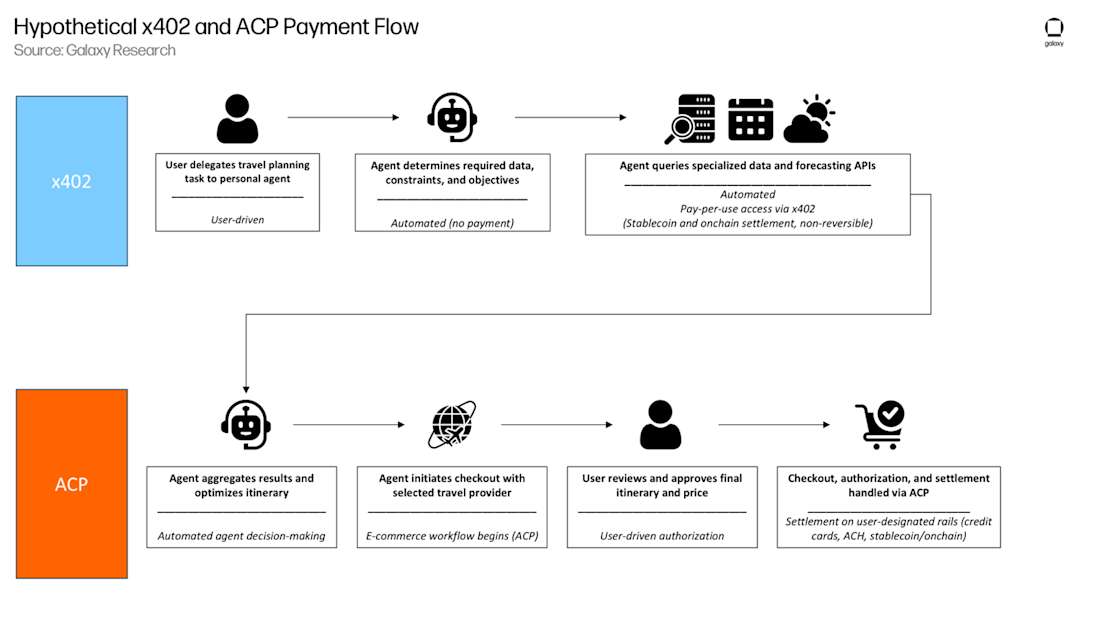
Connect your facilitator to a stablecoin contract, typically USDC, to handle the actual value transfer. Configure the contract to accept small amounts, such as $0.01 to $0.10 per request, which is standard for research data access. Test the flow by simulating a payment from a test wallet. Ensure that the payment confirmation is fast enough to not disrupt the user experience, as latency in payment verification can lead to abandoned requests.
Once the local environment is stable, deploy your API to a cloud provider like Vercel or AWS. Ensure that your infrastructure can handle sudden spikes in traffic without degrading performance. Configure your domain and SSL certificates to ensure secure communication. Test the deployed endpoint thoroughly to confirm that the payment gating logic works correctly in a live environment, as errors here can result in lost revenue or data leaks.
After deployment, actively monitor the endpoint for errors and payment failures. Use logging to track which users are accessing the data and how often they pay. Adjust your pricing or rate limits based on this data. Regularly update your facilitator and API dependencies to maintain security and compatibility with the x402 ecosystem. This ongoing maintenance ensures that your premium research feed remains reliable and profitable over time.
Common mistakes that break x402 endpoints
Even with a solid infrastructure, premium research feeds fail when implementation details are overlooked. The following errors are frequent and costly for researchers relying on x402 endpoints for stablecoin-gated access.
Ignoring the facilitator requirement
A common misconception is that x402 works as a standalone protocol layer without middleware. In reality, the x402 facilitator (such as Thirdweb’s implementation) is required to intercept API requests and validate the crypto payment before granting data access. Without this facilitator, your endpoint cannot verify the USDC transaction on-chain, leading to immediate access denials or, worse, unpaid data leaks.
Using the wrong stablecoin or network
Research feeds often require specific stablecoins (like USDC) on specific networks (like Base or Polygon). Developers frequently test on Ethereum mainnet or use non-compliant tokens, causing transaction failures. Always verify the supported network and token standard in your endpoint’s documentation. Mismatched networks result in silent payment failures where the user pays but the API returns a 402 error.
Failing to handle API rate limits
Premium data is a scarce resource. Many developers do not implement proper rate-limiting logic on the client side, leading to IP bans or throttled endpoints. x402 endpoints often enforce strict limits per wallet address. If your research script hits the API too aggressively, you will be locked out until the next billing cycle. Implement exponential backoff in your API calls to respect these limits and maintain consistent data flow.
X402 endpoints for premium research feeds: frequently asked: what to check next
These questions address the most common technical and operational hurdles when integrating x402 endpoints for premium research feeds. They cover integration complexity, cost structures, and data reliability.
Helpful gear
Use these product recommendations as a starting point, then choose the size, material, and price point that fit how you actually use the gear.
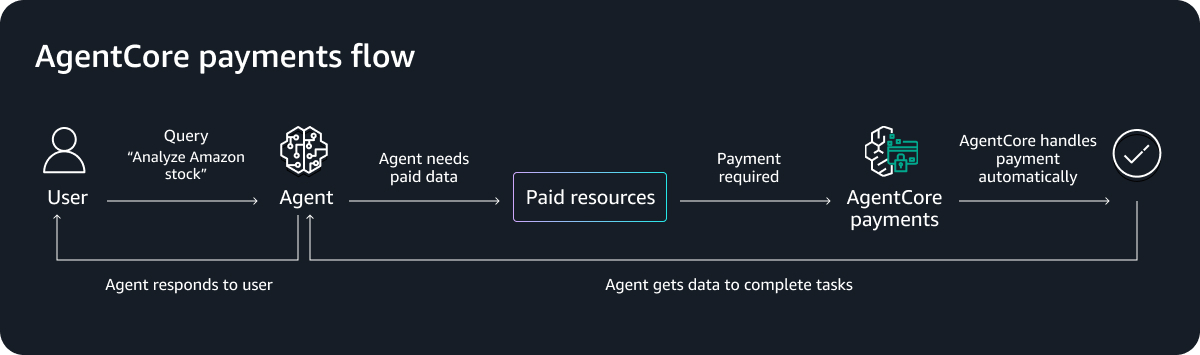

As an Amazon Associate, we may earn from qualifying purchases.
No comments yet. Be the first to share your thoughts!