The x402 protocol for paid data
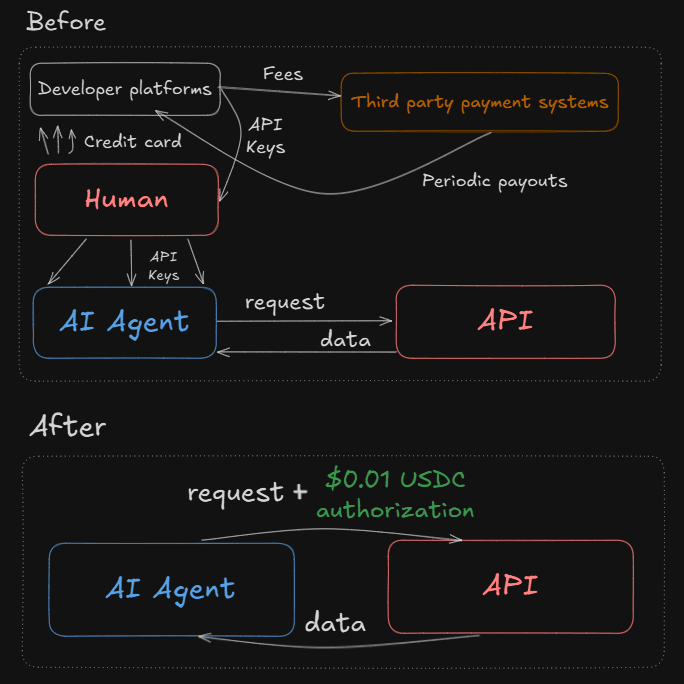
The x402 protocol has emerged as the standard for machine-to-machine payments, specifically designed to solve the "penny transaction" problem that plagues AI agents. By leveraging the HTTP 402 "Payment Required" status code, x402 enables instant blockchain payments directly over standard HTTP requests. This eliminates the need for complex middleware, wallets, or manual approval steps for microtransactions.
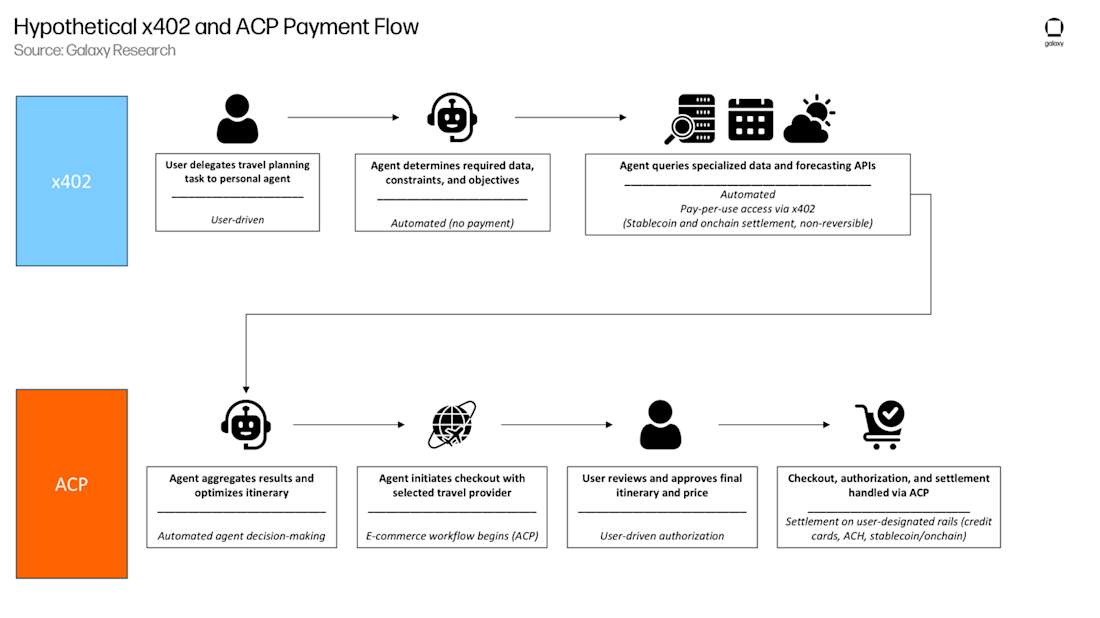
For premium research feeds, this means an AI agent can request a specific data point—such as a real-time stock quote or a niche market analysis—and pay the exact fee required in the background. The transaction is settled on-chain, providing immediate proof of payment to the endpoint provider. This model transforms data access from a static, subscription-based wall into a dynamic, pay-per-use utility.
The economic utility of x402 lies in its ability to handle high-volume, low-value transactions efficiently. Traditional payment processors often charge fees that exceed the value of the transaction itself, making micro-payments economically unviable. x402 bypasses these intermediaries, allowing researchers and developers to monetize small increments of data without losing margin to processing costs.
This approach aligns perfectly with the needs of automated systems that require continuous, reliable access to premium information. Instead of negotiating long-term contracts or managing API keys for bulk access, agents can interact with endpoints on a transactional basis. This flexibility is crucial for applications where data needs fluctuate or where the cost of access must scale directly with usage.
How agents pay for research data
The x402 protocol transforms standard HTTP requests into a machine-readable payment handshake. Instead of relying on opaque API keys or manual invoice processing, an agent’s request carries its own economic logic. When a client requests a premium research feed, the server evaluates the request and responds with a specific status code that dictates the next move. This mechanism allows automated systems to purchase data in real-time, without human intervention.
The initial request and 402 response
The process begins with a standard GET request to the endpoint. The client does not include any payment credentials initially; it simply asks for the data. The server recognizes that this content is behind a paywall and responds with an HTTP 402 Payment Required status. This is not an error code but a structured invitation to pay.
Crucially, this response includes a PaymentRequirements header. This header contains the specific instructions the client needs to complete the transaction. It specifies the exact amount owed, the cryptocurrency token (e.g., USDC, ETH), the target blockchain network, and the wallet address (payTo) where the funds must be sent. Without this header, the client would not know how or where to send the payment.
Constructing the signed proof of payment
Once the client parses the PaymentRequirements, it constructs a cryptocurrency transaction. The agent’s wallet signs this transaction using its private key, creating a cryptographic proof that the payment was authorized by the owner of the funds. This step ensures that the payment is valid and cannot be forged.
The agent initiates a standard HTTP GET request to the premium research endpoint. No payment header is included at this stage.
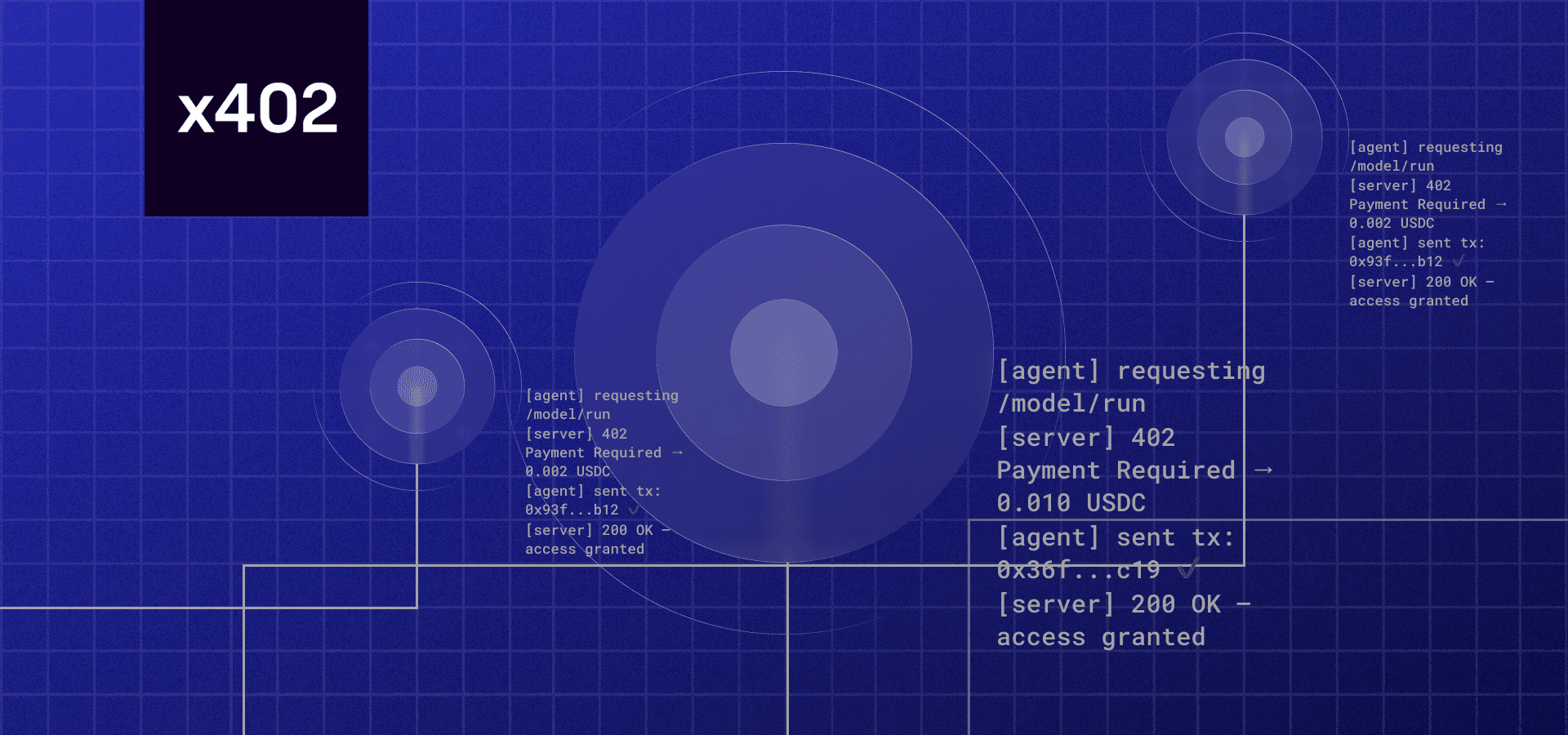
The server responds with HTTP 402. The PaymentRequirements header details the amount, token, network, and destination address (payTo).
The client constructs a transaction matching the requirements and signs it with its private key. This transaction is then broadcast to the specified blockchain network.
The server monitors the blockchain for the transaction. Once confirmed, it verifies the signature and amount, then serves the premium research data to the client.
Verification and data delivery
The final step occurs on the server side. The x402 endpoint monitors the specified blockchain for the incoming transaction. When the transaction is confirmed, the server verifies the cryptographic signature to ensure it matches the payTo address and that the amount meets the PaymentRequirements. If the verification passes, the server grants access to the premium research feed, returning the data in the response body. This entire cycle happens in seconds, enabling high-frequency, machine-to-machine data commerce.


As an Amazon Associate, we may earn from qualifying purchases.
Integrating x402 into your API
Implementing x402 endpoints transforms your premium research feed from a gated content repository into a programmable, micro-transactional service. For sellers, this means shifting from manual invoice processing or subscription management to instant, automated crypto settlement. The protocol allows your API to accept payments directly from buyers and autonomous AI agents without the friction of traditional payment gateways.
The integration path is straightforward for modern API architectures. By leveraging the Coinbase Developer Platform (CDP), you can embed payment logic directly into your existing endpoints. The documentation provides a clear quickstart for sellers, demonstrating how to configure your API to return a 402 Payment Required status code alongside a payment URI when a request lacks sufficient funds. This standard HTTP response ensures that any compliant client—whether a human user or an AI agent—knows exactly how to proceed.
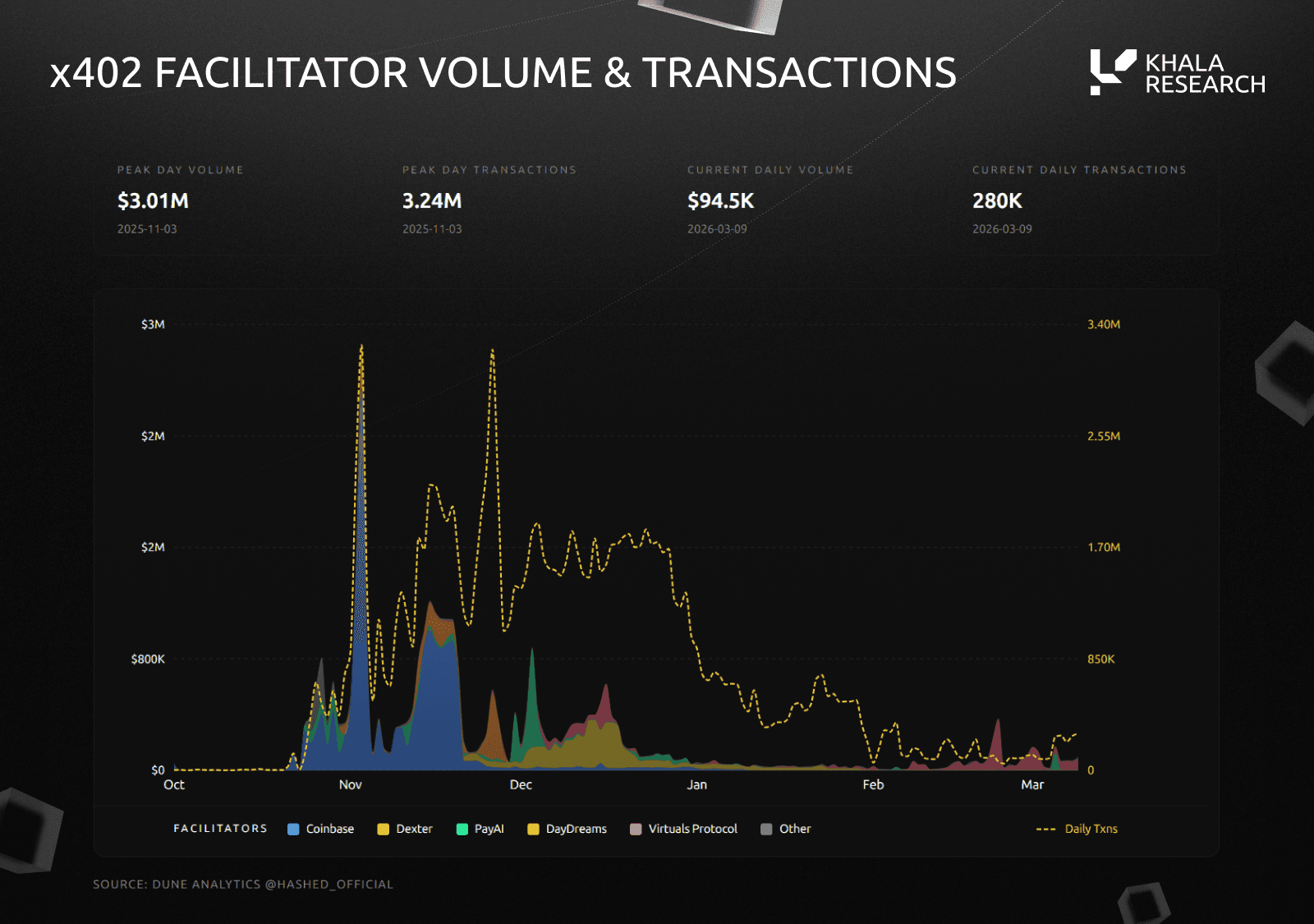
Beyond the Coinbase CDP, the ecosystem supports various SDKs that simplify the handling of crypto wallets and transaction verification. These tools abstract away the complexity of blockchain interaction, allowing you to focus on the value of your data rather than the mechanics of settlement. The result is a seamless flow where access to high-quality research is granted the moment the transaction is confirmed on-chain.
Ecosystem tools and integrations
The x402 protocol has moved beyond theoretical whitepapers into a functional infrastructure layer. For developers building premium research feeds, this means the hard work of handling crypto wallets, gas fees, and payment verification is abstracted away by specialized middleware. You can now focus on delivering high-quality data while the ecosystem handles the microtransactions.
Cloud providers are stepping in to streamline this process. AWS, for instance, has published guidance on enabling x402 payments for HTTP-based applications, signaling that major infrastructure players are preparing for agentic commerce at scale. This support reduces the friction of integrating autonomous payments into existing financial services architectures.
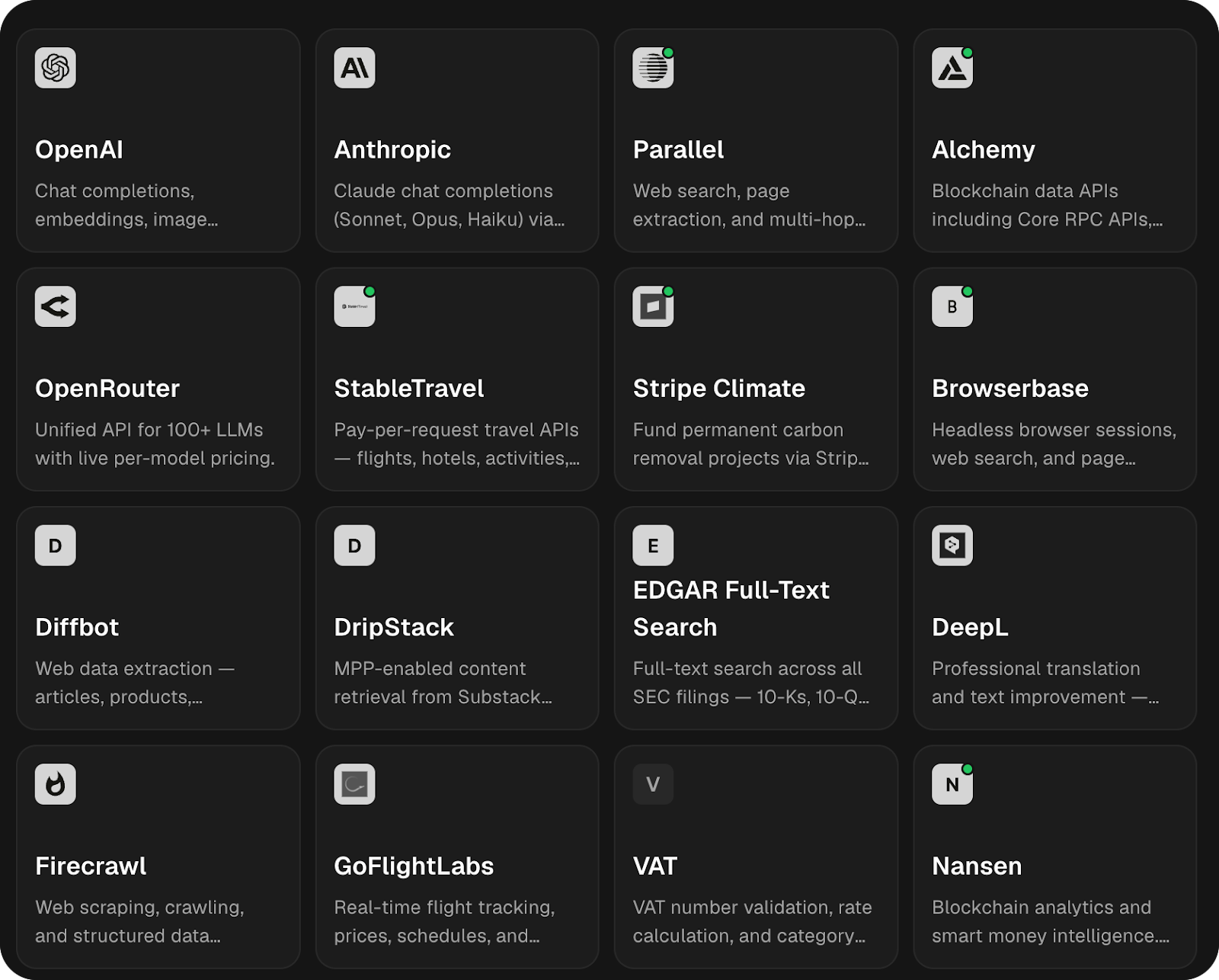
On the data ingestion side, tools like Browserbase offer x402-integrated browser sessions. This allows research agents to pay per use for headless browsing capabilities, creating a seamless loop where an agent pays for data access, consumes the premium feed, and logs out. This pay-per-use model is particularly effective for premium research feeds, where usage varies wildly based on query complexity.
To help you evaluate which services fit your stack, here is a comparison of key x402-enabled infrastructure components.
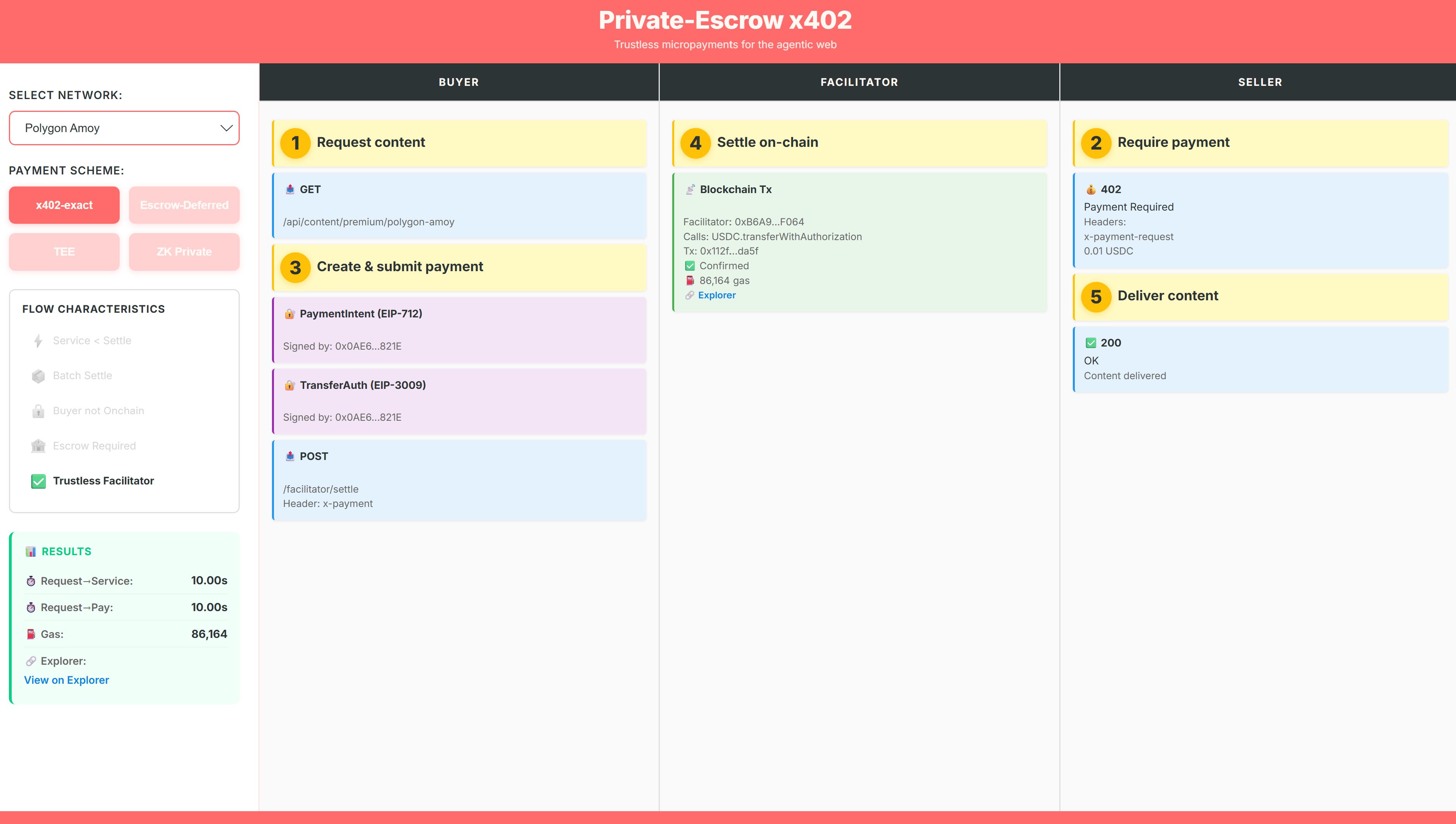
| Service | Type | Payment Model | Ease of Integration |
|---|---|---|---|
| AWS x402 Guide | Cloud Infrastructure | Configurable | Medium |
| Browserbase | Browser Automation | Pay-per-session | Low |
| Private-Escrow | Smart Contract | Escrowed | High |
Deploying your premium research feed
With your x402 endpoints configured, the final phase is securing the infrastructure and verifying payment flows. This section covers the operational steps to go live, ensuring your premium research feed is both secure and reliable for paying users.
Before accepting payments, enforce strict input validation and rate limiting. Use API keys to authenticate requests and ensure that only verified clients can trigger the payment-gated logic of your x402 endpoint.
Run end-to-end tests using testnet tokens to simulate the full transaction lifecycle. Verify that the endpoint correctly rejects unpaid requests and successfully unlocks premium data upon confirmed payment.
Set up logging to track payment confirmations and data access events. Regular audits help identify anomalies, ensuring that your premium research feed remains compliant with x402 protocol standards.
No comments yet. Be the first to share your thoughts!