What x402 enables for data sellers
The x402 protocol redefines how digital assets are monetized by embedding payment directly into the HTTP standard. Rather than relying on traditional merchant accounts, subscription gateways, or manual invoicing, x402 allows any API endpoint to accept payment as part of the request lifecycle. For providers of premium research feeds, this creates a frictionless monetization layer where access is granted instantly upon successful transaction.
This approach is particularly transformative for AI agents and automated clients. These systems can now programmatically purchase high-value data—such as real-time market feeds, proprietary research, or specialized inference endpoints—without human intervention. The standard eliminates the need for complex authentication flows tied to payment processors, allowing data sellers to focus on content quality rather than billing infrastructure.
By treating payment as a native internet function, x402 enables new economic models for data providers. Sellers can offer granular, pay-per-request access to expensive datasets, ensuring they are compensated for every byte delivered. This shifts the paradigm from recurring revenue models based on estimates to precise, usage-based billing that aligns cost with value.
The implications for data sellers are significant. By integrating x402, organizations can unlock new revenue streams from AI-driven clients that previously could not access premium data due to high-friction onboarding processes. This standard essentially turns every API endpoint into a potential storefront, ready to handle transactions autonomously.
How the payment flow works
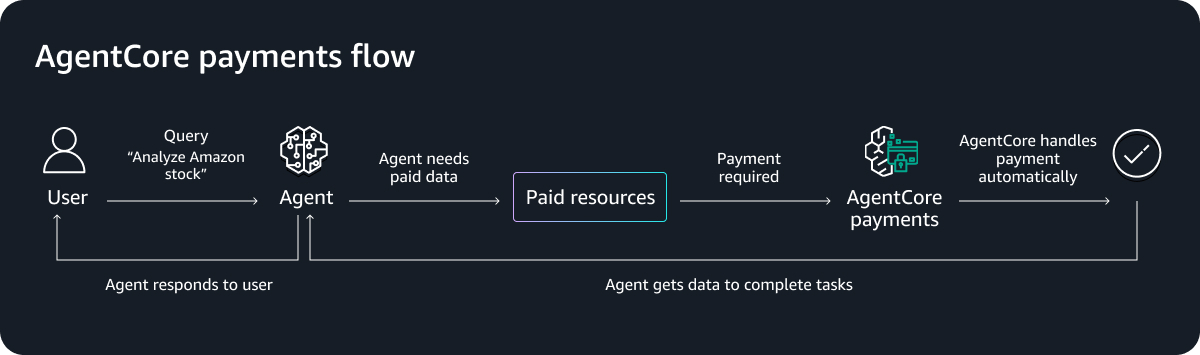
The x402 standard transforms the HTTP protocol by introducing a mandatory payment step before data delivery. Instead of relying on fragile API keys or post-hoc billing, the server communicates its price directly through the HTTP status code. This creates a trustless, atomic exchange where payment and access happen simultaneously.
The interaction follows a strict, ordered sequence that ensures the client has proof of payment before receiving sensitive data. Think of it as a digital handshake: the server says, "Pay me," the client proves it, and the server unlocks the data. This mechanism is essential for premium research feeds, where data integrity and immediate settlement are non-negotiable.
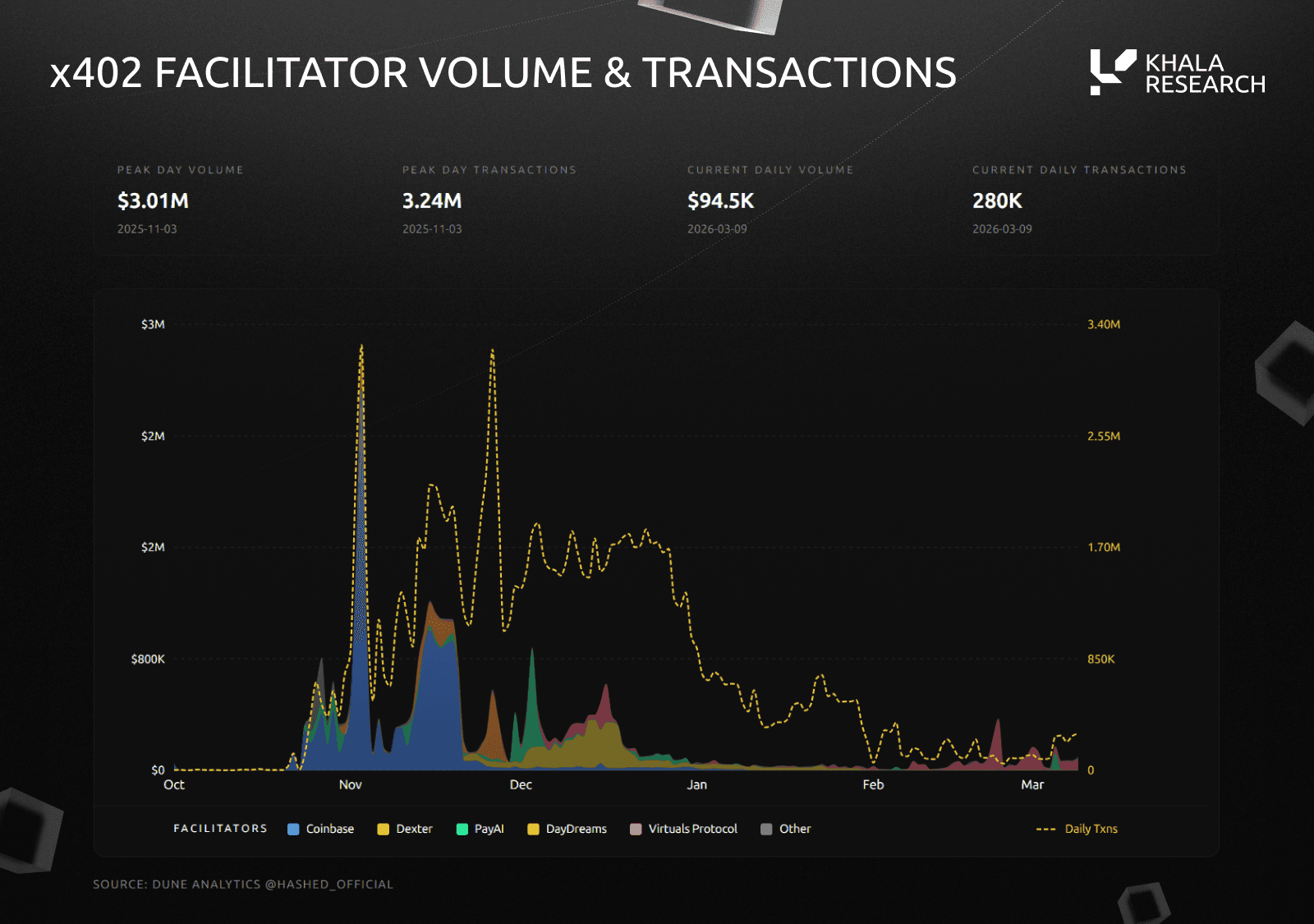
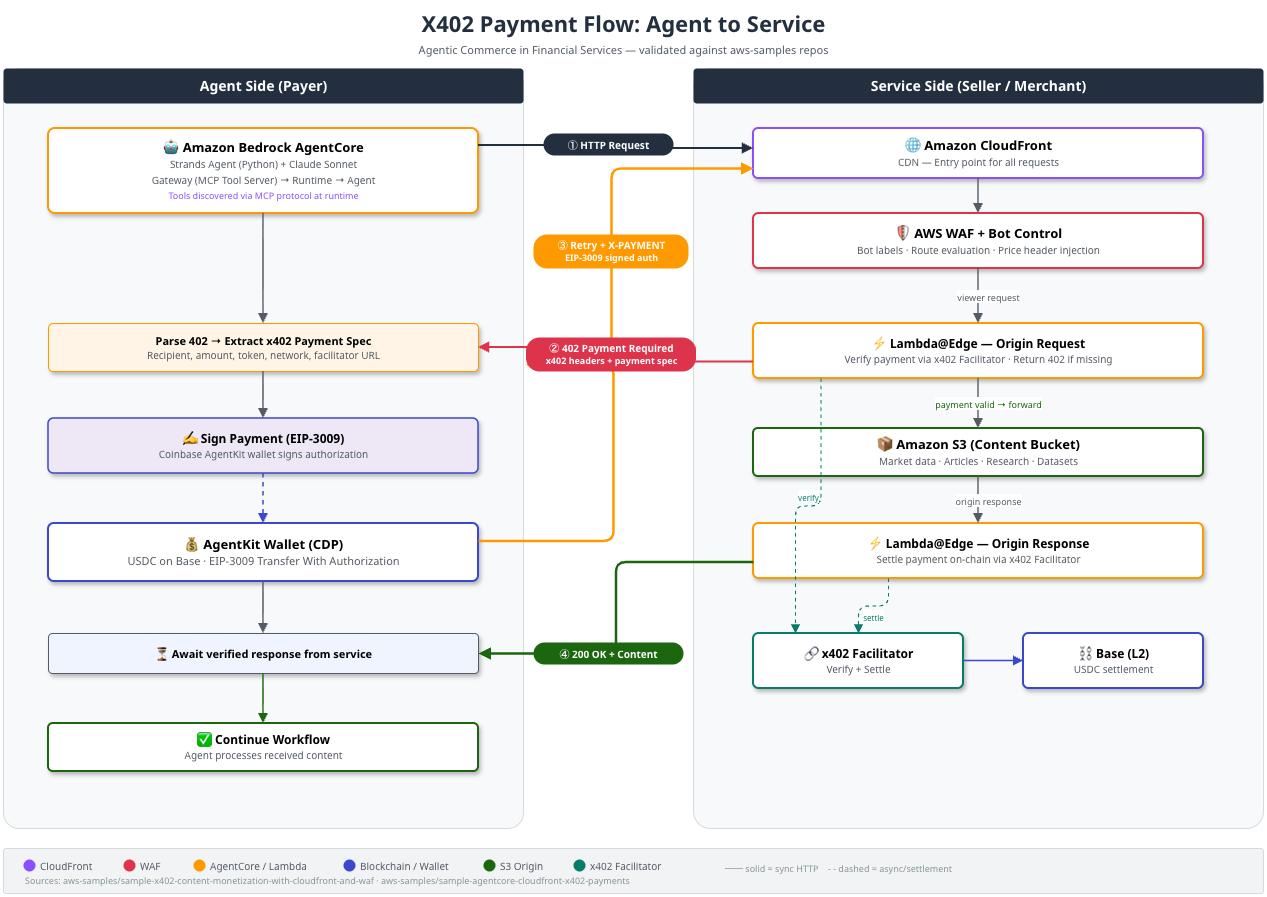
The client sends a standard HTTP GET request to the endpoint. At this stage, no payment is attached. The server evaluates the request against its pricing policy and determines that access is restricted to paying users. It does not return an error; it returns a specific instruction to pay.
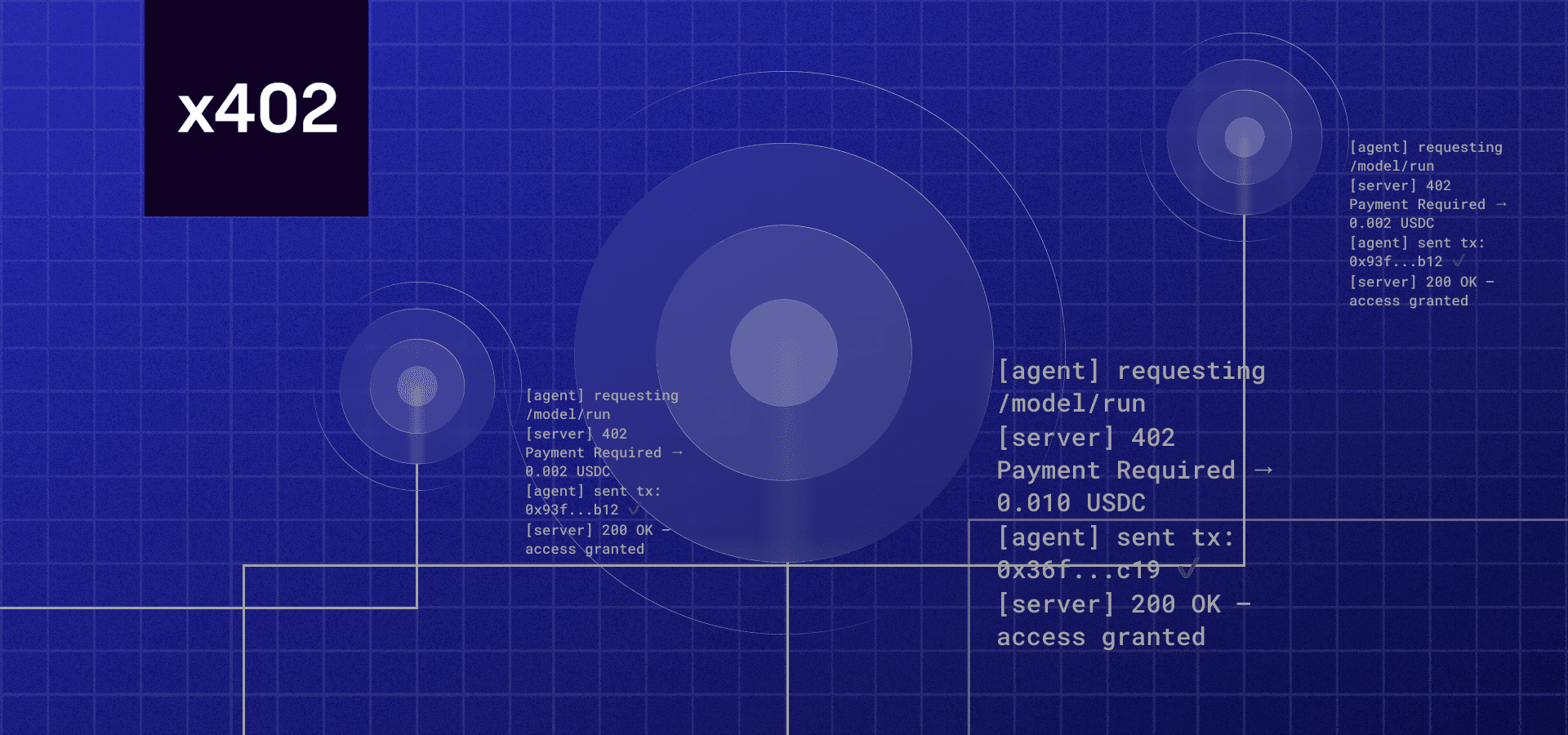
The server responds with an HTTP 402 Payment Required status. Crucially, this response includes a Pay header (or similar mechanism defined by the facilitator) that details the exact amount, currency (often a stablecoin like USDC), and the destination wallet address. This header acts as an invoice, providing all the necessary data for the client to construct a valid payment.

The client application parses the payment instructions from the 402 response. It then signs a transaction using the user's private key or wallet connection, sending the specified amount to the server's designated address. This step happens off-chain or on a low-fee L2 network to ensure speed and cost-efficiency, creating a transaction hash that serves as proof of payment.
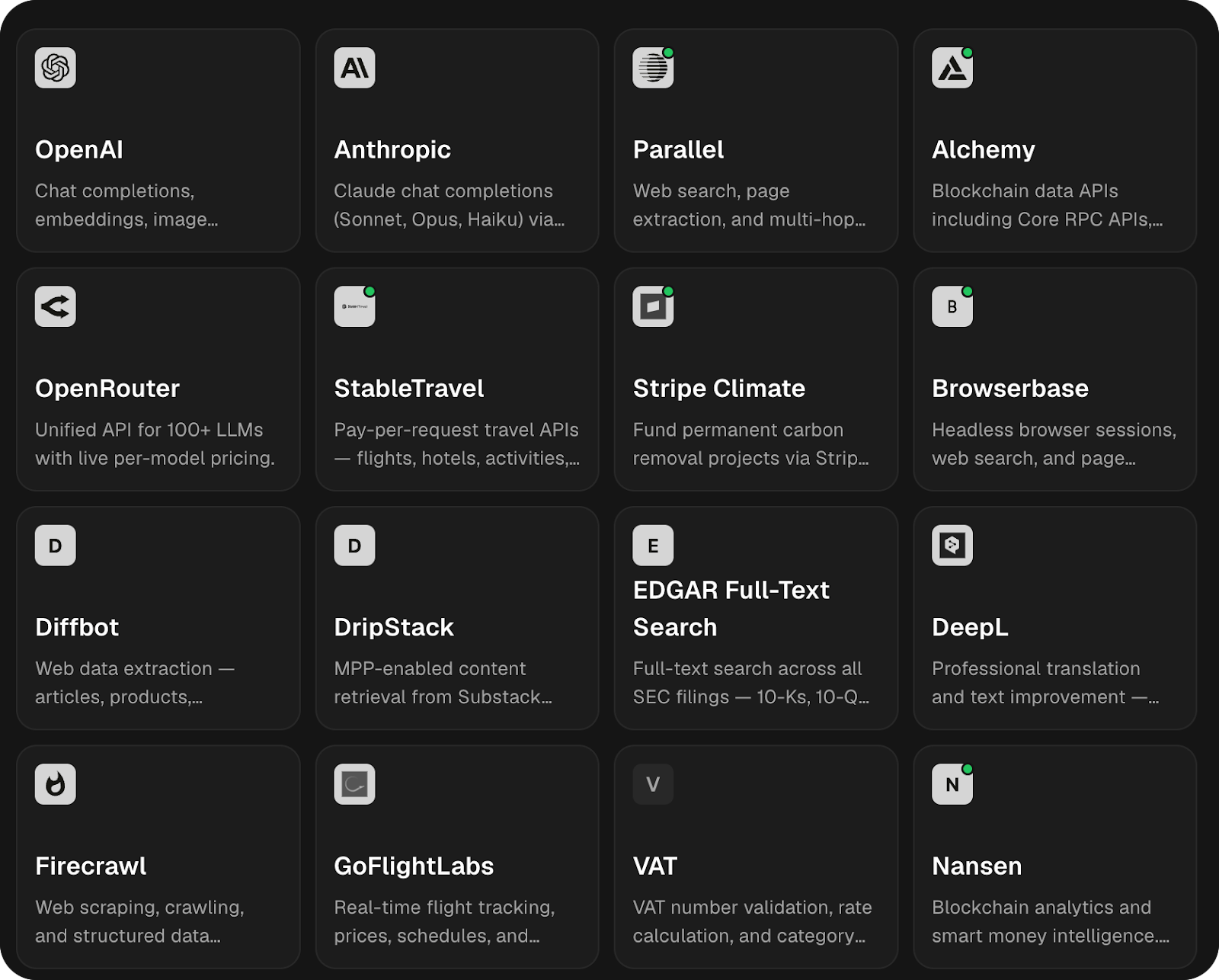
The client resends the original request, this time attaching the transaction hash or a cryptographic signature of the payment in the headers. This is not a new request, but a continuation of the first. The server receives this proof and validates it against the blockchain or payment facilitator to ensure the funds have actually moved.
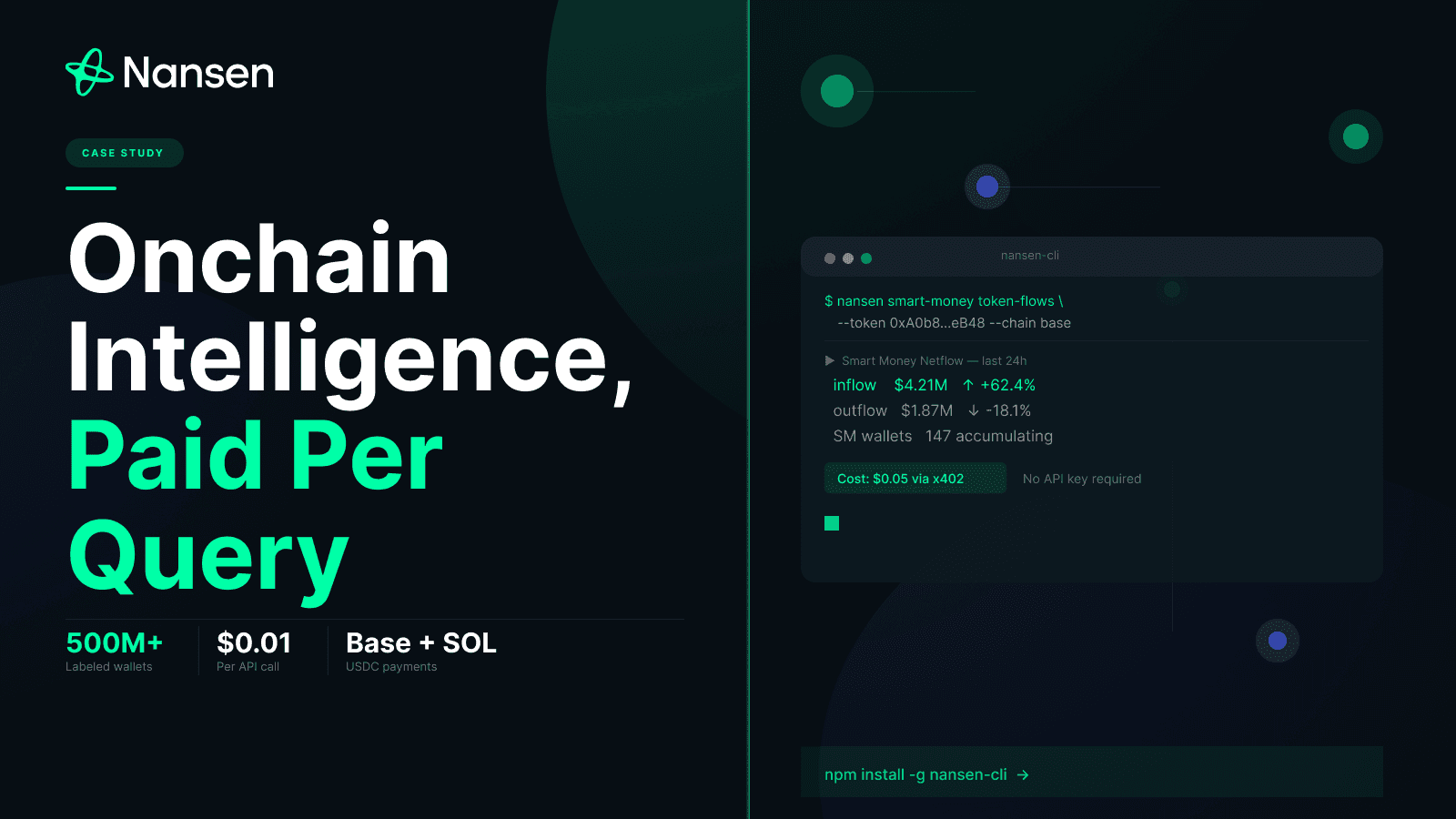
Once the payment is verified, the server immediately returns a 200 OK status with the requested data. The settlement is atomic: the data is only delivered if the payment is confirmed. This eliminates the risk of non-payment and removes the need for complex subscription management systems or credit card processing fees for micro-transactions.
This flow ensures that premium data feeds remain secure and financially viable. By embedding the payment logic into the HTTP protocol itself, x402 allows developers to build robust, self-custodial data markets without relying on centralized payment gatekeepers.
Backend infrastructure for high-frequency queries
Running x402 endpoints for premium research feeds requires more than just exposing an API; it demands a backend built for micro-transactions. Unlike traditional subscription models, x402 relies on per-request billing. This shifts the infrastructure challenge from managing user accounts to handling high-volume, low-latency payment verification without becoming a bottleneck for the data itself.
The core of this infrastructure is middleware that sits between your data source and the public endpoint. This middleware must intercept HTTP requests, validate the Authorization: Bearer <token> header, and verify the payment proof before allowing access to the premium content. According to AWS documentation on agentic commerce, this pattern allows you to enable payments on any HTTP-based application by treating the payment verification as a standard authentication step [src-serp-3]. The middleware must be lightweight to ensure that the payment check does not add significant latency to the data delivery, which is critical when AI agents are querying feeds at high frequency.
For the payment rail, USDC on Ethereum is the standard for x402 implementations. Using a stablecoin eliminates the volatility risk for both the data provider and the AI agent buyer. Coinbase’s developer documentation highlights that integrating x402 allows APIs to charge buyers and AI agents directly, streamlining the monetization of digital assets [src-serp-7]. The infrastructure must be able to handle the gas fees and confirmation times associated with on-chain transactions, often relying on layer-2 solutions or fast-finality chains to keep the user experience seamless.
Scaling for high-frequency agent queries introduces specific technical hurdles. Agents may send hundreds of requests per minute, creating a surge in payment verification loads. Your middleware needs to be stateless and horizontally scalable to handle these spikes. Additionally, you must implement rate-limiting and fraud detection to prevent token reuse or replay attacks. The goal is to make the payment process invisible to the end-user while ensuring every byte of premium data is properly accounted for.
The x402 Infrastructure Landscape
Adoption of the x402 standard is moving from theoretical interest to active integration, driven by a shift toward agentic commerce. Unlike traditional payment gateways that rely on merchant accounts and complex fraud detection layers, x402 endpoints allow servers to accept payments directly from clients, including AI agents. This native integration creates a frictionless environment for machine-to-machine transactions, particularly in premium research feeds where data access needs to be both secure and automated.
The ecosystem is currently defined by a few key infrastructure providers who are building the necessary rails for this new economy. These facilitators handle the cryptographic verification and settlement, allowing developers to focus on the content or data being sold rather than the payment logistics. As outlined in the x402 ecosystem documentation, the standard aims to absolve the internet's original sin of missing native payments, empowering a win-win economy for both content creators and users.
Below is a comparison of the primary infrastructure providers and facilitators currently supporting x402 endpoints. These platforms vary in their target audience, from developer-focused tools to enterprise-grade cloud integrations.
The table above highlights the distinct roles these entities play. While the x402 Foundation sets the rules, community-driven resources like the awesome-x402 repository provide the practical tutorials and code snippets needed for implementation. Meanwhile, major cloud providers and crypto exchanges are beginning to embed x402 support into their existing platforms, signaling a broader institutional acceptance of this payment model.
For developers building premium research feeds, the choice of facilitator often depends on whether the primary user is a human or an AI agent. Agentic commerce requires endpoints that can handle automated, micro-transactional queries without human intervention. The providers listed above are currently the most reliable options for testing and deploying these endpoints, with varying degrees of support for automated client authentication.
Launching your first x402 endpoint
Getting a premium research feed online requires more than just adding a payment gateway; you must implement the x402 standard natively into your API logic. This approach allows AI agents and direct users to pay with cryptocurrency as simply as they send an HTTP request.
Start by reviewing the Quickstart for Sellers on the Coinbase Developer Platform. It provides the foundational code samples needed to integrate the middleware into your existing server architecture. Whether you are using ASP.NET Core or a Node.js backend, the goal is to intercept requests before they reach your data layer.
Next, configure your endpoint to gate access. You will need to define the required payment amount, such as 0.01 USDC, and specify the accepted tokens. Once the middleware is active, your API will reject unpaid requests with a 402 status code, holding the data until the transaction is confirmed on-chain. This ensures that only paying clients receive your premium research.
Finally, test the flow using a sandbox environment. Verify that the agent can successfully attach the payment header and retrieve the data. Once verified, deploy to production and monitor the transaction logs to ensure your revenue stream is functioning correctly.
Common questions about x402 data payments
The x402 ecosystem is an open, neutral standard for internet-native payments. It allows clients and servers to transact directly, creating a win-win economy that empowers agentic payments at scale. This approach absolves the internet’s original sin by making payments a native protocol feature rather than an external add-on.
By embedding payment logic directly into HTTP responses, x402 endpoints streamline access to premium research feeds. This eliminates the friction of third-party gateways, allowing developers to focus on data integrity and speed. The protocol’s design ensures that every request carries its own settlement mechanism, reducing overhead and increasing transparency for high-stakes financial data.
Helpful gear
Use these product recommendations as a starting point, then choose the size, material, and price point that fit how you actually use the gear.
As an Amazon Associate, we may earn from qualifying purchases.
No comments yet. Be the first to share your thoughts!