The x402 payment layer for research data
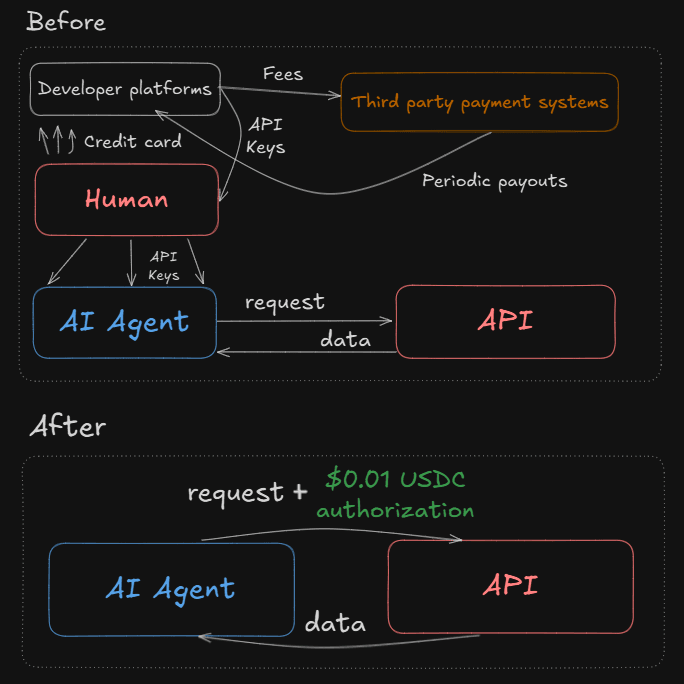
x402 is not a new blockchain or a separate payment processor; it is an extension of the HTTP protocol itself. By standardizing the 402 "Payment Required" status code, x402 allows machines to negotiate and settle transactions within the same request cycle that retrieves data. For premium research feeds, this distinction is critical. Traditional payment gateways like Stripe or PayPal are built for human-led checkout flows, introducing latency and friction that break automated agent workflows.
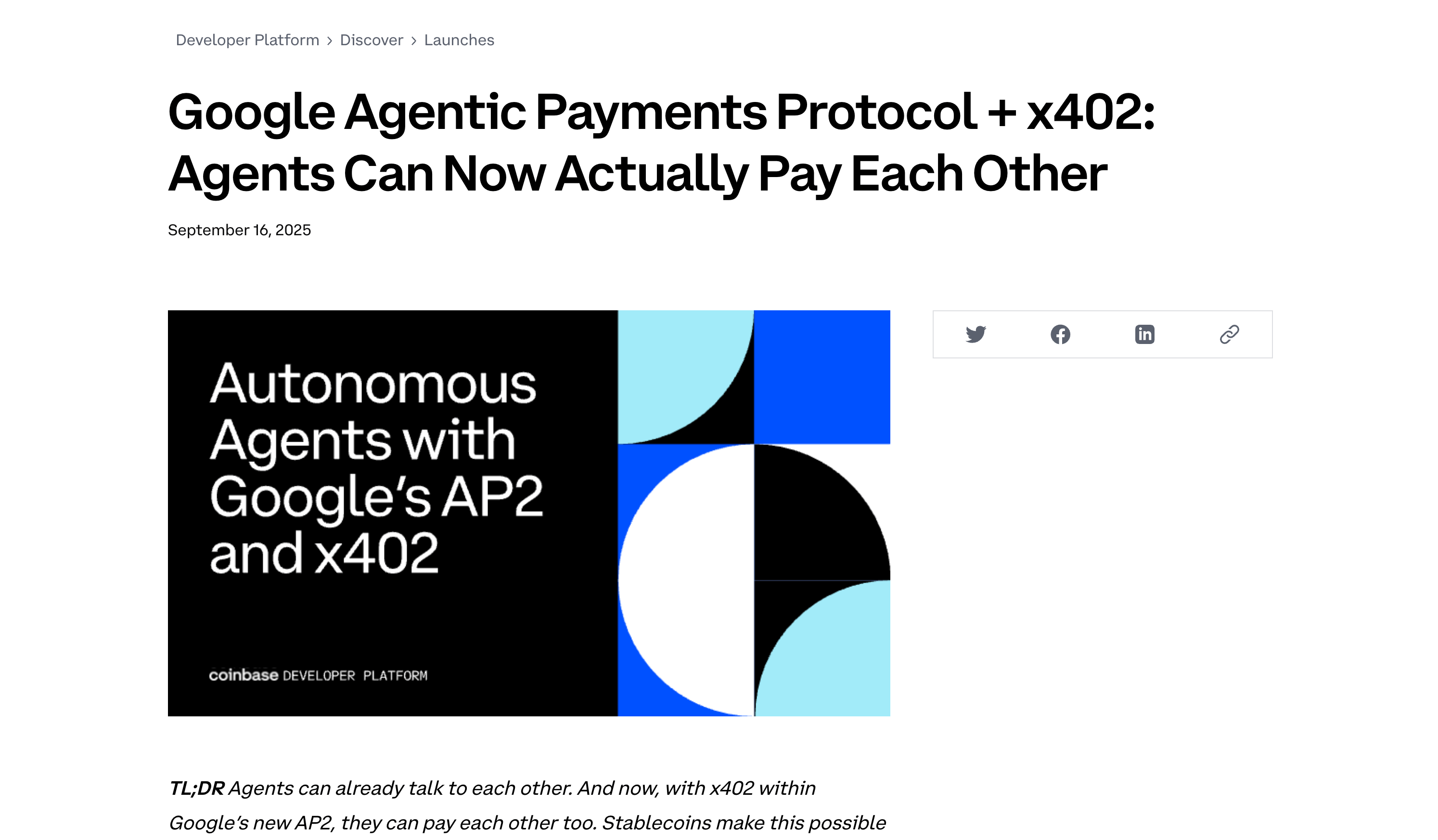
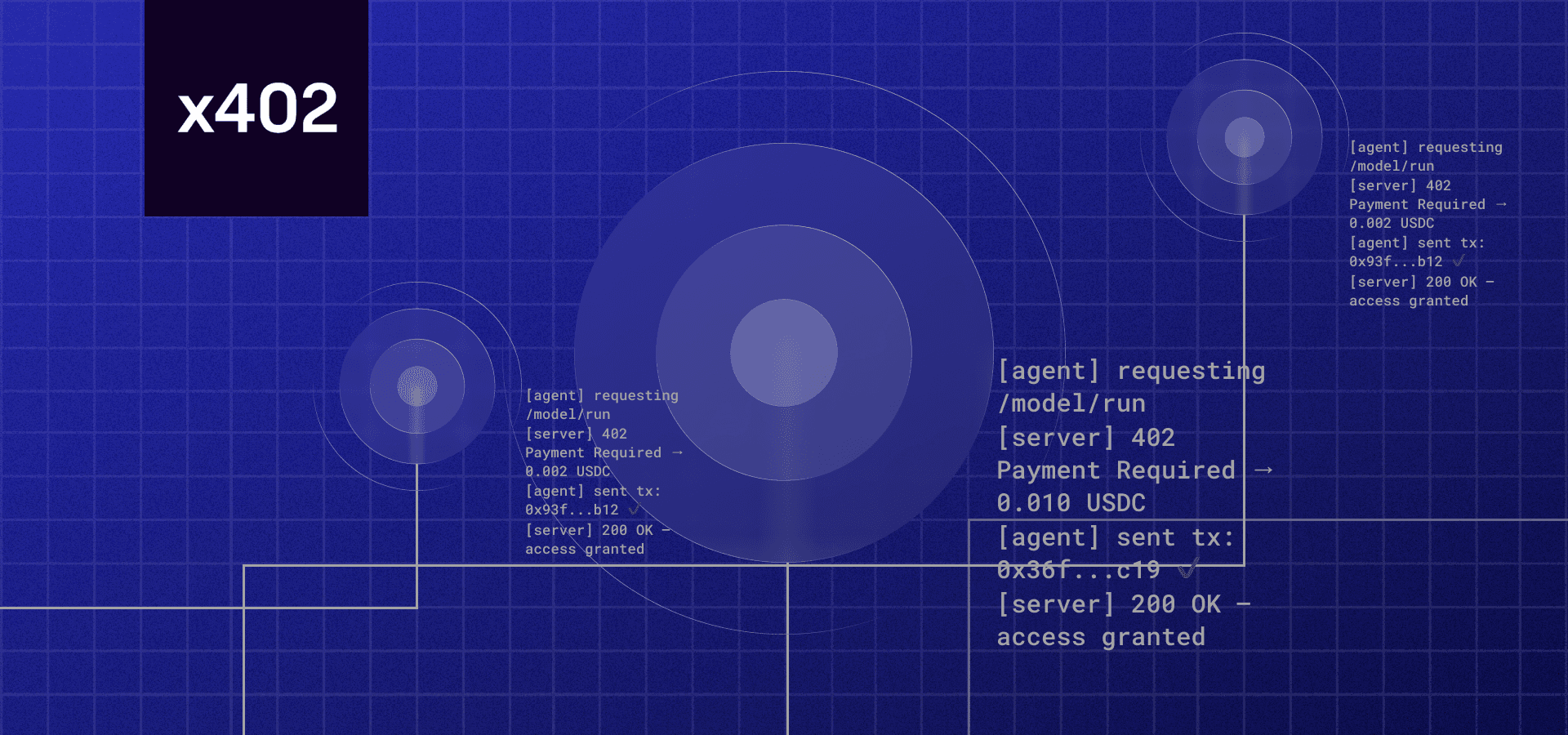
In high-stakes research environments, data is often gated behind paywalls that require instant, machine-readable verification. x402 solves this by embedding the payment logic directly into the HTTP response. When a research agent requests a dataset, the server responds with a 402 status and a payment instruction. The agent’s wallet signs the transaction, and upon confirmation, the server releases the data. This eliminates the need for pre-funded accounts or complex API key rotations for every new client.
This architecture is particularly valuable for AI agents and automated trading bots that operate at scale. These systems need to purchase individual data points or small bundles of research without human intervention. x402 enables these micropayments to happen seamlessly, ensuring that only verified, paying agents can access sensitive market intelligence or proprietary research reports.
The reliability of this system hinges on the underlying blockchain’s finality and the server’s ability to validate proofs quickly. For research firms, this means a more robust defense against unauthorized access, as every data pull is tied to a verifiable on-chain transaction. It shifts the burden of payment verification from manual reconciliation to automated, cryptographic proof.
Infrastructure for high-volume research queries
Scaling x402 endpoints for premium research feeds requires more than just a standard API gateway; it demands a specialized architecture that bridges HTTP requests with on-chain settlement. The core challenge is handling high-throughput, low-latency queries where the "payment" is not a credit card swipe, but a micro-transaction of stablecoins like USDC.
At the center of this infrastructure is the facilitator role, typically handled by platforms like Thirdweb. The facilitator acts as the middleware that intercepts the HTTP request, verifies the presence of a valid x402 payment header, and triggers the on-chain settlement before granting access to the data. Without this intermediary, the latency of waiting for blockchain confirmation would make real-time research feeds impossible.
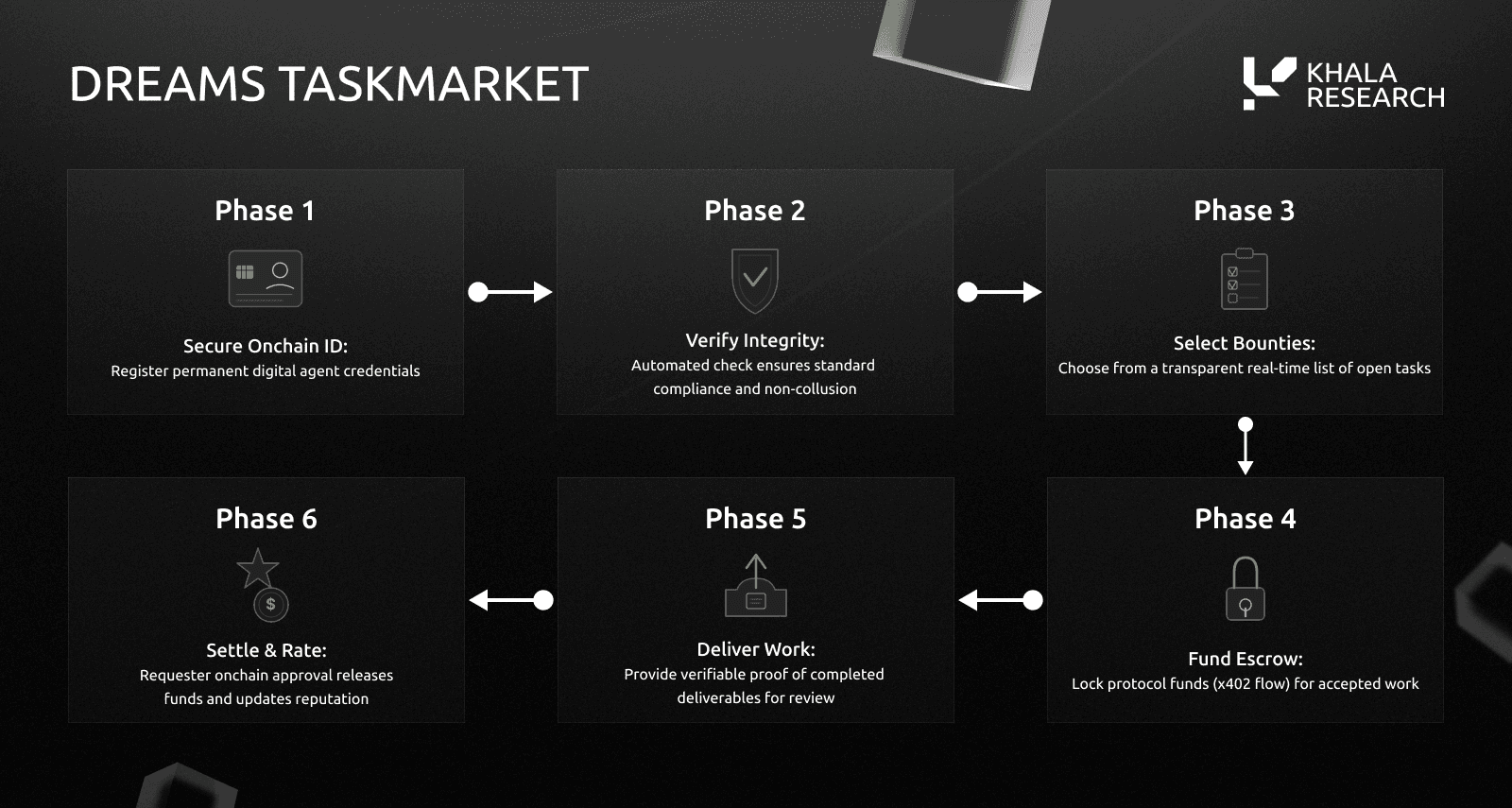
The research agent or client sends an HTTP GET request to the endpoint, including the x-payments header with a signed transaction payload for the required USDC amount.
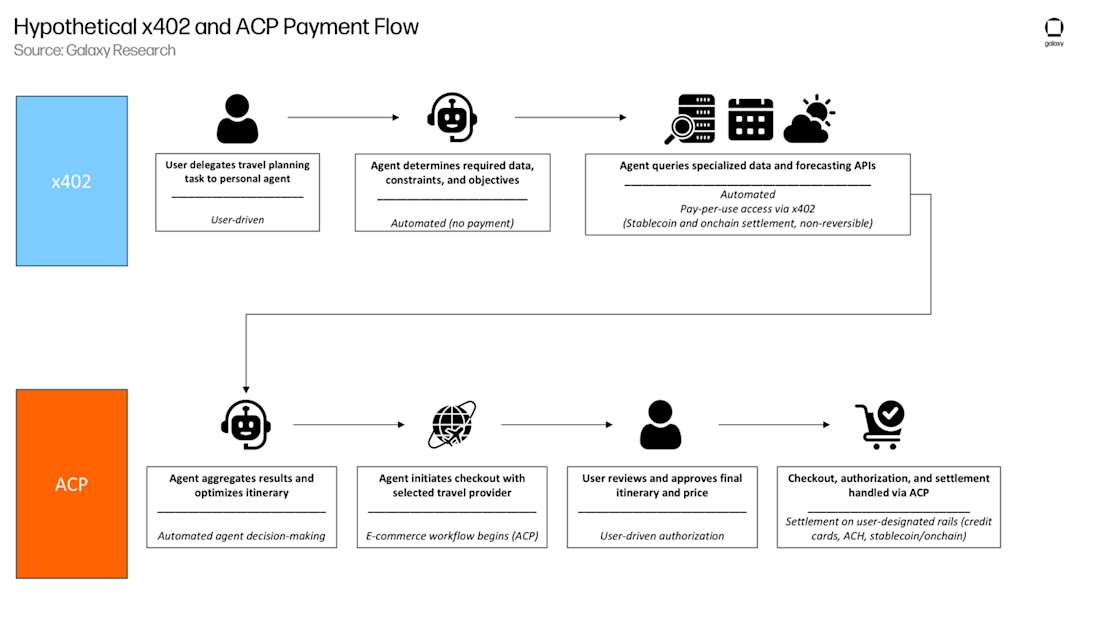
Thirdweb’s facilitator intercepts the request, validates the signature, and checks the transaction status on the Base blockchain. This step must occur in milliseconds to maintain a seamless user experience.
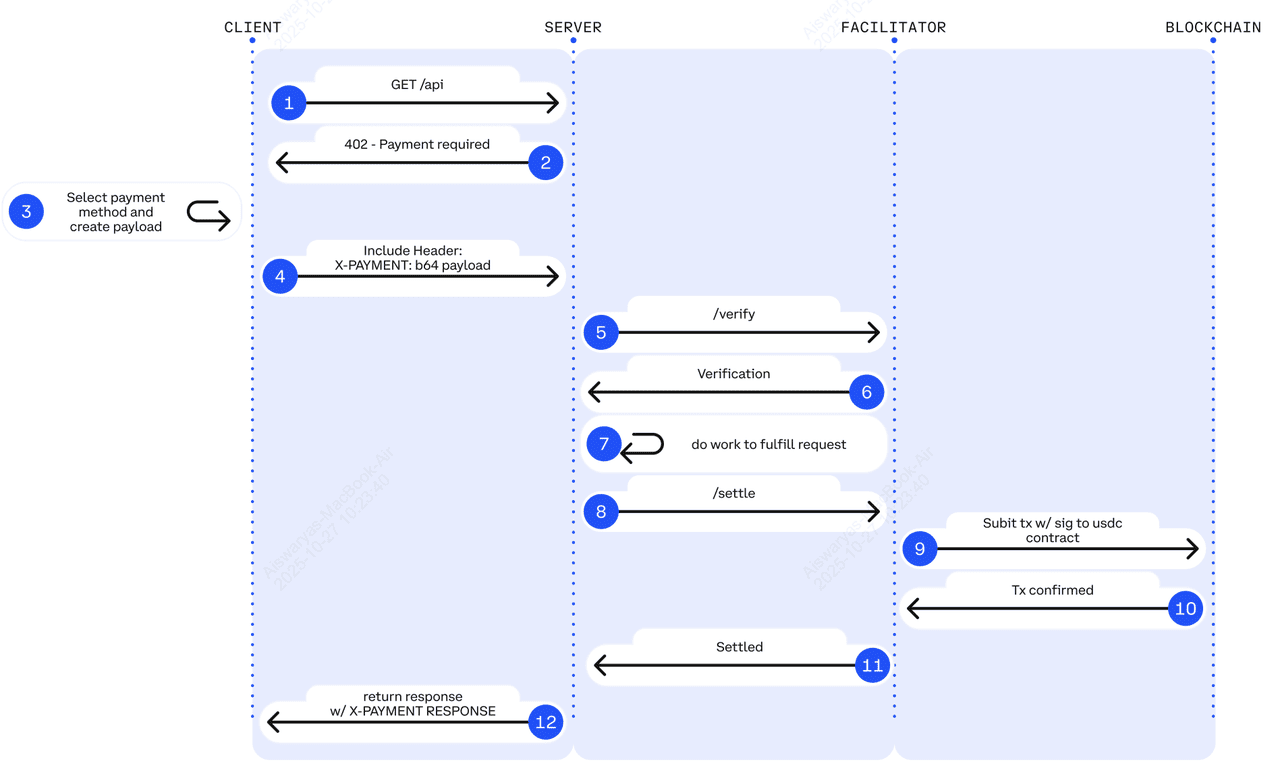
The facilitator submits the transaction to Base, a Layer 2 network chosen for its low fees and high speed. Settlement typically completes in under two seconds, confirming the payment.

Once the transaction is confirmed, the facilitator releases the premium research data to the client. The endpoint remains stateless, relying on the facilitator for payment logic.
The choice of Base as the settlement layer is critical. High-volume research feeds generate thousands of micro-transactions daily. Using Ethereum Mainnet would incur prohibitive gas fees and unacceptable latency. Base offers the necessary throughput and cost-efficiency, allowing fees to remain fractions of a cent per query.
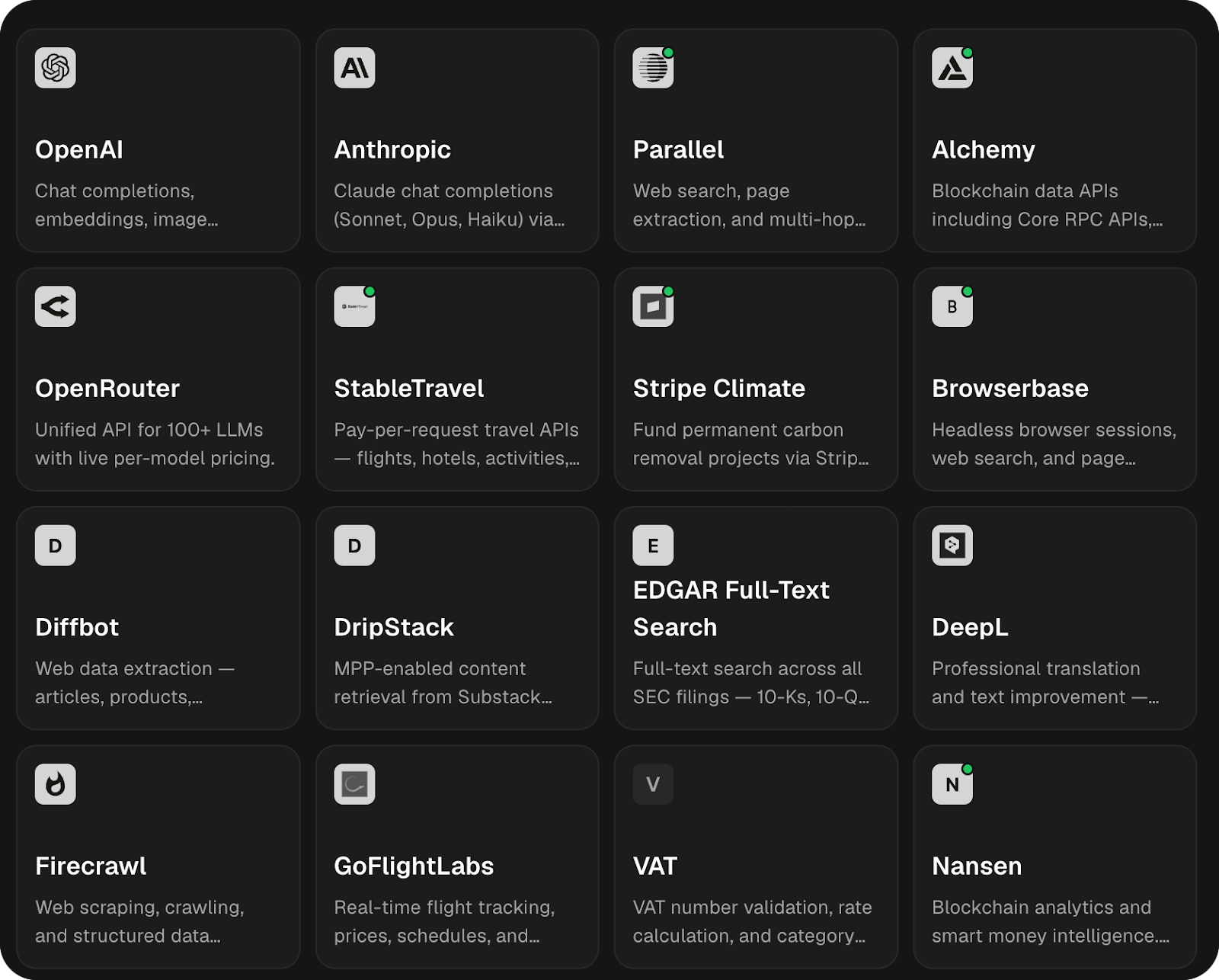
For infrastructure reliability, the system must handle edge cases like failed transactions or network congestion. The facilitator should implement retry logic and fallback mechanisms to ensure that a temporary blockchain hiccup doesn’t result in lost data access or duplicate charges. This reliability is non-negotiable for premium research clients who depend on consistent, real-time data streams.
Compliance and authorized integrations
Financial data is high-stakes infrastructure. When you scale an x402 endpoint for premium research feeds, you are not just moving bytes; you are handling assets that carry significant regulatory weight. Using unauthorized wrappers or unvetted payment rails introduces severe legal risk, turning potential partners into adversaries rather than collaborators.
The x402 specification relies on a clear chain of custody. Authorized facilitators act as the trusted intermediaries that validate payment intent before granting access to sensitive market data. This authorization layer ensures that every request is traceable, auditable, and compliant with existing financial regulations. Without this, you are operating in a gray area that can lead to immediate service termination or legal action.
To avoid these pitfalls, stick to integrations listed on the official x402.org ecosystem page. These partners have undergone the necessary due diligence to handle enterprise-grade data flows. They provide the security guarantees and compliance frameworks that ad-hoc solutions simply cannot match.
The difference between a compliant setup and a risky one often comes down to the payment rail. Unauthorized wrappers might offer quick integration, but they lack the audit trails required for financial reporting. Authorized facilitators ensure that your revenue streams are clean and your data access is legally defensible.
| Feature | Authorized x402 Facilitators | Unauthorized Wrappers |
|---|---|---|
| Compliance | Full regulatory alignment | High legal risk |
| Security | Enterprise-grade encryption | Vulnerable to attacks |
| Audit Trails | Complete and verifiable | Non-existent or fragmented |
| Enterprise Adoption | Widely trusted | Rarely accepted |
Choosing the right partner is an investment in the longevity of your service. It protects your reputation and ensures that your premium research feeds remain accessible without the threat of sudden shutdowns. In the world of financial data, trust is your most valuable currency.
Selecting tools for agent-commerce infrastructure
Building x402 endpoints for premium research feeds requires more than just a payment gateway; it demands a stack that handles high-frequency, low-latency micropayments without introducing friction. The infrastructure must support agent autonomy, meaning your tools need to handle authentication, settlement, and error recovery automatically. You are not just building an API; you are building a financial rail that runs over HTTP.
The x402 Facilitator Layer
At the core of any x402 implementation is the facilitator. This middleware component acts as the bridge between your HTTP server and the blockchain. It handles the heavy lifting of validating payment proofs, managing wallet connections, and ensuring that the 402 status code is returned only when payment is confirmed. For developers, this means you can focus on the data logic rather than the crypto plumbing. Thirdweb's facilitator is a popular choice for its ease of integration with Next.js, but the protocol is agnostic enough to work with any HTTP-based application.
SDKs and Client Libraries
Your choice of SDK determines how easily agents can interact with your endpoint. Look for libraries that abstract the complexity of signing transactions and managing gas fees. The awesome-x402 repository on GitHub is an excellent starting point for finding community-maintained SDKs. These tools often include pre-built hooks for React and Node.js, allowing you to drop payment logic into existing endpoints with minimal code changes. Ensure the SDK supports the specific stablecoin (like USDC on Base) you plan to use for settlements.
Infrastructure and Monitoring
Premium research feeds generate significant traffic. Your infrastructure must be able to scale horizontally while maintaining strict compliance and audit trails. AWS offers specific guidance on integrating x402 into financial services workflows, emphasizing the need for robust logging and real-time monitoring. Tools like Browserbase provide specialized integrations for pay-per-use browser sessions, which can be adapted for scraping or data extraction agents. When selecting infrastructure, prioritize providers that offer native x402 support or well-documented integration paths.
Recommended Developer Tools
Selecting the right tools can accelerate your development cycle. Below are some essential resources and hardware considerations for building high-performance x402 endpoints.


As an Amazon Associate, we may earn from qualifying purchases.
Checklist for scaling research feed endpoints
Before routing premium research traffic through x402 endpoints, verify your infrastructure handles high-stakes compliance and latency. This checklist ensures your HTTP/402 implementation is secure, scalable, and audit-ready.
Ensure your gateway correctly parses the Pay-to header and validates cryptographic signatures. Misconfigured headers can lead to revenue leakage or unauthorized access to sensitive research data.
Premium feeds require strict throughput controls. Configure rate limits per API key or wallet address to prevent DDoS attacks and ensure fair usage across your subscriber base.
Verify that your endpoints do not log sensitive query parameters or user identifiers. Compliance with financial data regulations is non-negotiable for premium research workloads.
Run load tests to confirm your x402 middleware adds minimal overhead. Premium researchers expect sub-100ms response times; any significant delay degrades the value of real-time data.
Set up automated alerts for failed payments or mismatched ledger entries. Real-time reconciliation prevents revenue loss and maintains trust with your data consumers.
No comments yet. Be the first to share your thoughts!