Why x402 changes research monetization
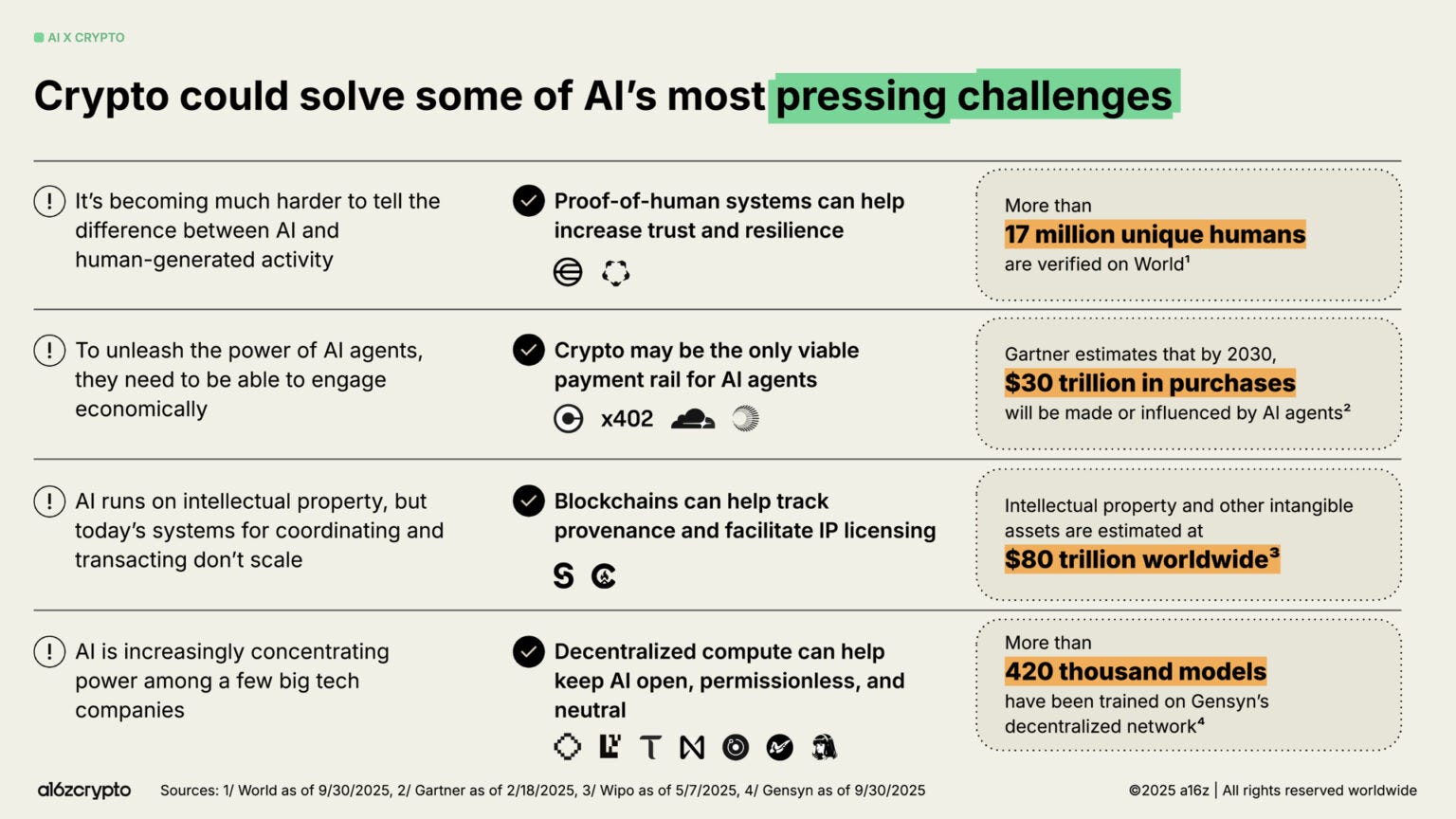
For decades, the web has operated on a binary choice: data is either free or locked behind a login wall. Traditional API keys work for human developers who can manage tokens and handle billing errors, but they fail when AI agents need to consume premium research feeds. Agents cannot click "Subscribe" or fill out a credit card form. They need a protocol that treats payment as a standard HTTP status code, allowing automated systems to pay for data without human intervention.
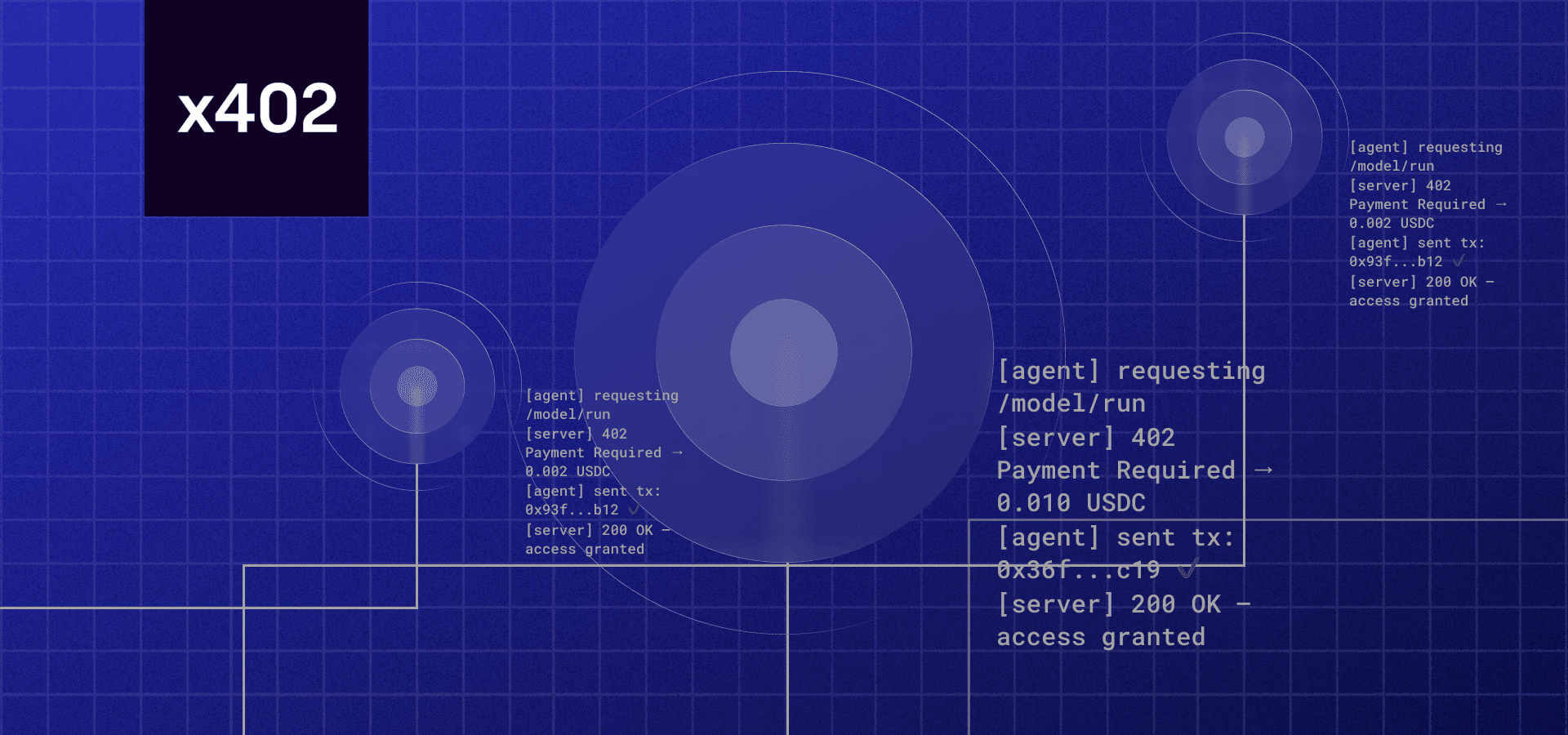
x402 solves this by repurposing the unused HTTP 402 status code. Instead of returning a 401 Unauthorized or a 403 Forbidden when access is denied, a compliant server returns a 402 Payment Required. This response includes a payment instruction—typically a crypto wallet address and amount. The AI agent pays the requested amount, often in USDC on low-cost Layer 2 networks like Base, and retries the request with an authorization header. This turns every API endpoint into a potential revenue stream, enabling micropayments that are economically viable for both the provider and the consumer.
For premium research feeds, this shift is transformative. A financial data provider can charge fractions of a cent for a single market snapshot or a detailed analyst report. The agent pays only for the exact data it needs, and the provider receives immediate settlement with zero chargeback risk. This model aligns perfectly with the high-frequency, low-latency nature of modern AI-driven research, moving beyond the static, monthly-subscription models that currently dominate the industry.
How the payment flow works for agents
When an agent requests a premium research feed, the interaction follows a strict handshake defined by the x402 specification. Unlike traditional API keys that grant open access, x402 endpoints enforce a pay-before-access model. This ensures that every data pull is backed by a verified on-chain transaction before the server releases the payload.
The process begins when the agent sends an initial HTTP request to the endpoint. Instead of returning data, the server responds with an HTTP 402 status code. This response contains a Payment-PaymentIntent header, which provides the necessary details for the client to execute a payment. This header includes the destination address, the required amount in USDC, and a unique payment intent ID.
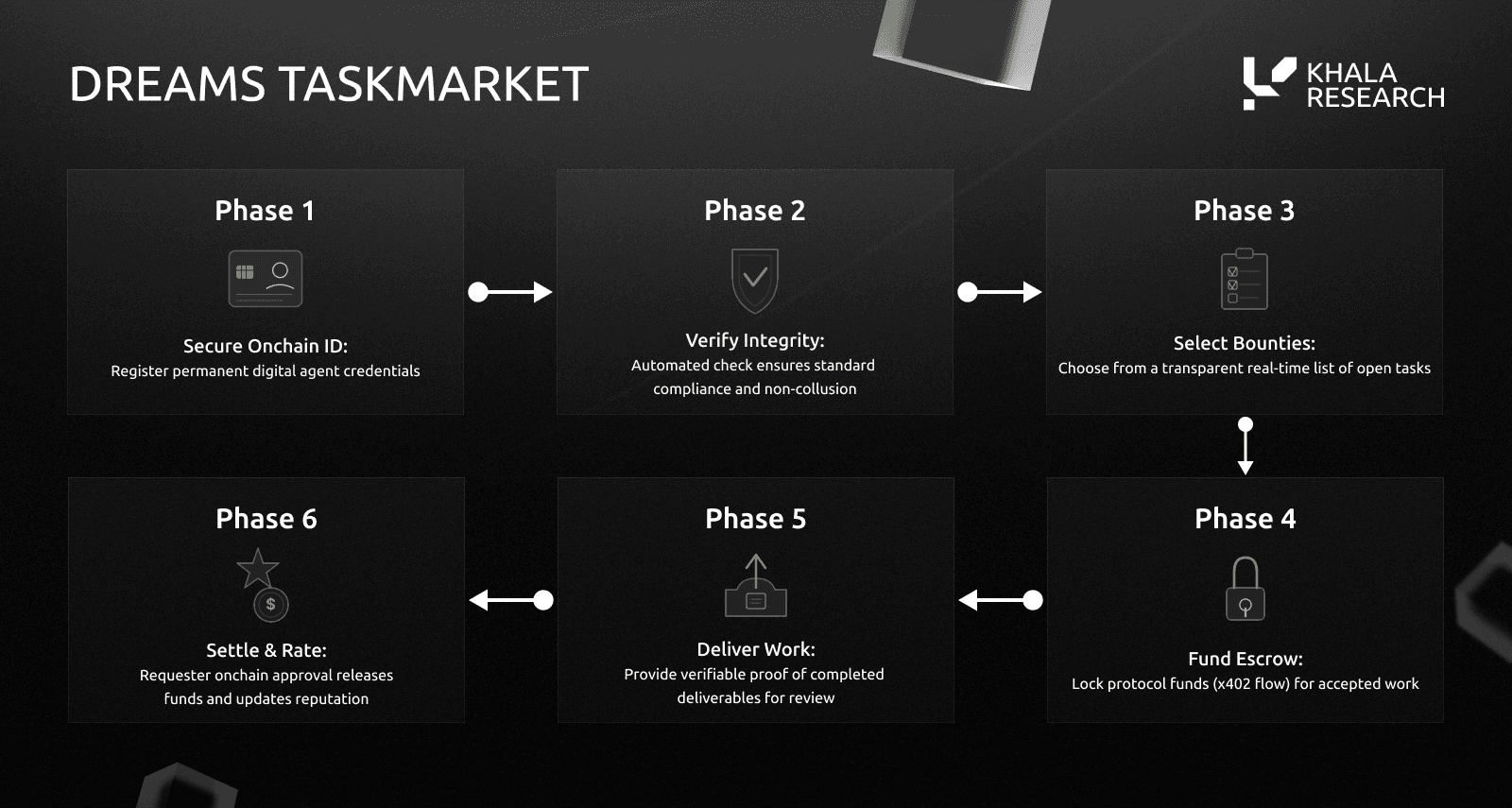
The agent sends a standard GET or POST request. The server identifies the resource as paid and returns an HTTP 402 status. The response headers include the Payment-PaymentIntent payload, detailing the USDC amount and the blockchain destination address required for settlement.
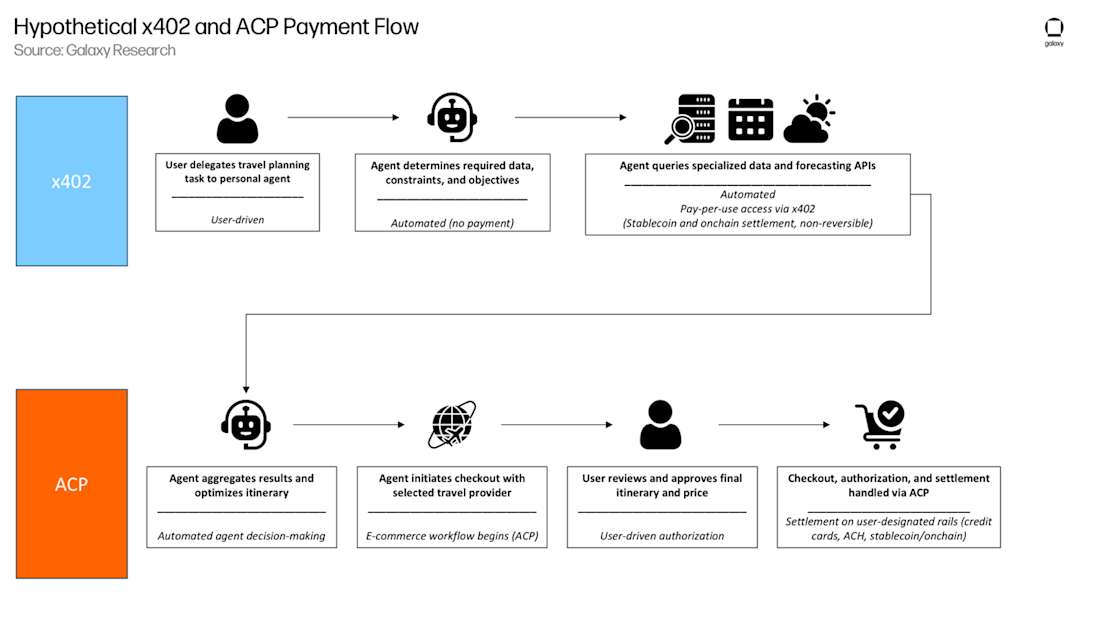
The client library parses the payment intent and constructs a transaction. It signs the transaction using the agent's private key and broadcasts it to the network. For x402 Endpoints for Premium Research Feeds, this is typically a USDC transfer on a low-cost Layer 2 network like Base, ensuring gas fees remain negligible for high-frequency agent calls.
Once the transaction is broadcast, the client retries the original request. This time, it includes a Payment-Authorization header containing the signed transaction data or a reference to the settled payment. The server verifies the signature and the on-chain confirmation before proceeding.
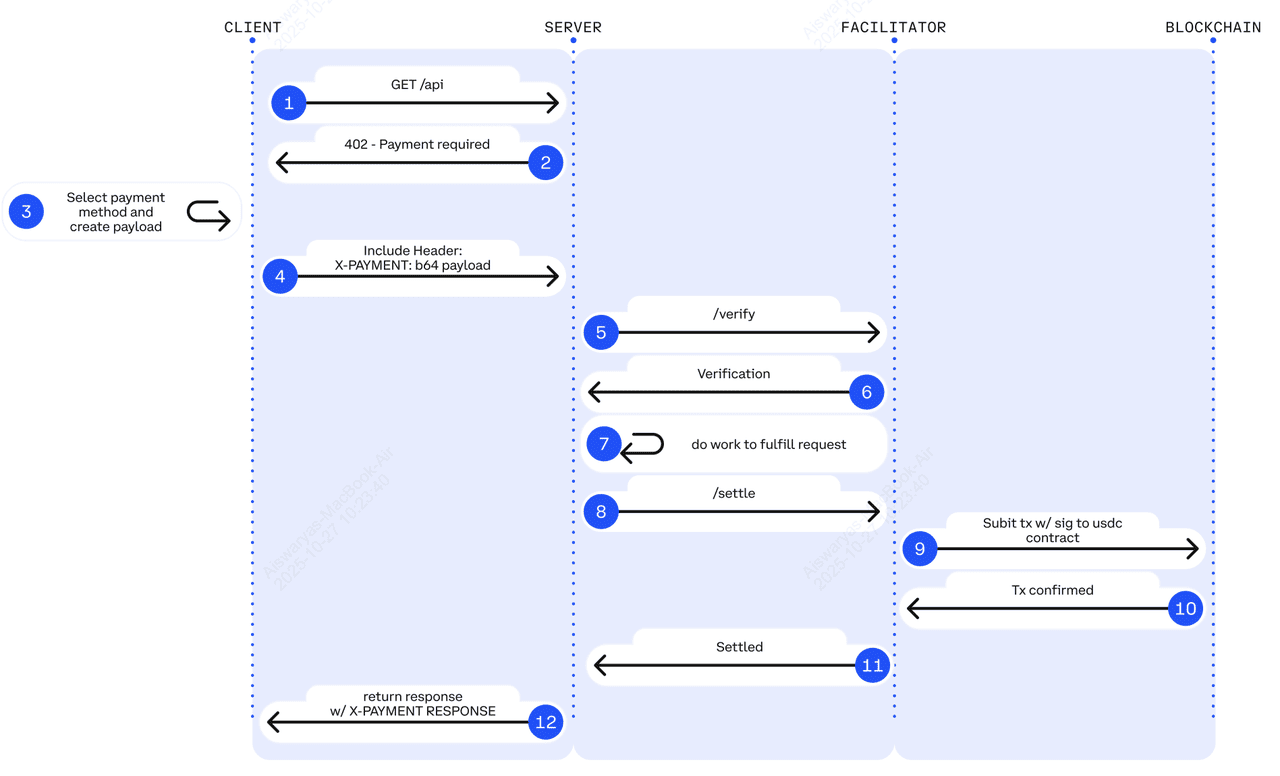
Upon successful verification, the server returns the requested data with a standard HTTP 200 OK status. The entire cycle—from payment initiation to data receipt—happens automatically, allowing agents to scale their research operations without manual invoice handling.
This flow eliminates the need for complex subscription management or third-party billing intermediaries. By leveraging the Payment-PaymentIntent and Payment-Authorization headers, x402 creates a native payment layer on the HTTP protocol. For developers integrating x402 Endpoints for Premium Research Feeds, this means your infrastructure handles payments as seamlessly as it handles data.
For a visual representation of the market context surrounding these transactions, see the USDC price movement below, which reflects the liquidity available for these micro-settlements.
Infrastructure for high-volume research feeds
Running x402 endpoints for premium research feeds requires infrastructure that can handle the friction of on-chain settlement without introducing latency that breaks the developer experience. When an AI agent requests a dataset, the interaction is no longer a simple HTTP GET; it is a transactional loop. The server must validate the payment intent, the agent must sign and broadcast the transaction, and the endpoint must confirm the settlement before releasing the data. If your backend cannot manage this concurrency, you will bottleneck your throughput.
The primary scaling challenge lies in managing the state of these concurrent requests. Unlike traditional API keys, x402 relies on blockchain confirmations. For high-frequency research queries, you need a robust indexing layer that listens for payment events in real-time. If your indexer lags, your endpoint might reject a valid payment or, worse, release data before confirmation. This requires a dedicated node infrastructure, often leveraging services like Alchemy or Infura, to monitor the mempool and chain state with low latency.
Gas fees on Layer 2 networks like Base are negligible, typically costing less than a fraction of a cent per transaction. This makes micropayments economically viable for research data that might cost $0.05 or $0.10 per query. However, the infrastructure cost of processing these transactions adds up. You need to optimize your smart contract interactions or use off-chain settlement layers that batch confirmations. The goal is to keep the per-request overhead low enough that the research feed remains profitable even at scale.
Tools and libraries for implementation
You don't need to build the payment plumbing from scratch. A handful of official and community-driven tools handle the heavy lifting for x402 endpoints, letting you focus on the research data itself.
The Coinbase Developer Platform (CDP) SDK is the most direct path for sellers. It abstracts the HTTP 402 response logic and handles the USDC settlement flow on Base. If you are building a premium research feed, their quickstart guide is the best place to start. It walks you through setting up the payment intent so your API can accept payments before serving content.
For developers who prefer a more modular approach, the awesome-x402 repository on GitHub is the central hub for community libraries. It lists SDKs for Node.js, Python, and other languages that simplify the integration. These tools often include pre-built middleware that checks for payment status before returning your research data.

As an Amazon Associate, we may earn from qualifying purchases.
How the economics work
The cost structure for x402 Endpoints for Premium Research Feeds is designed to make micropayments viable where traditional credit card processing fails. The protocol charges zero fees. You only pay the blockchain gas costs required to settle the transaction on-chain. This removes the 2-3% merchant discount rate that typically makes small data transactions uneconomical.
Gas costs are negligible on Layer 2 networks like Base. A single transaction settlement costs approximately $0.001. This efficiency allows researchers to charge fractions of a cent for API access or specific data points. The economic model supports high-frequency, low-value requests without transaction fees eating the margin.
This structure shifts the value from intermediaries to the data providers. Developers can monetize niche datasets directly. The low barrier to entry enables new business models for premium research feeds that were previously blocked by payment infrastructure costs.
No comments yet. Be the first to share your thoughts!