X402 endpoints premium research limits to account for
2026 guide: Scaling x402 Endpoints for Premium Research Feeds with AI Agent Infrastructure works best as a clear sequence: define the constraint, compare the realistic options, test the tradeoff, and choose the path with the fewest hidden costs. That order keeps the advice usable instead of decorative. After each step, pause long enough to check whether the recommendation still fits the reader's actual situation. If it depends on perfect timing, unusual access, or a best-case budget, include a simpler fallback.
The simplest way to use this section is to write down the real constraint first, compare each option against it, and choose the path that still works outside ideal conditions.
Premium research endpoint choices that change the plan
Scaling x402 endpoints for premium research requires balancing data freshness, latency, and cost. Unlike standard API calls, x402 transactions introduce blockchain settlement time and gas fees that directly impact the user experience for AI agents and human readers alike. Understanding these tradeoffs is essential for designing endpoints that remain profitable without becoming too slow or expensive for the end user.
When comparing different research data sources, you must evaluate how each handles payment verification and data delivery. The following table breaks down the concrete factors to consider when selecting or building an x402-gated research feed.
The data latency column highlights a critical tradeoff: while x402 enables seamless microtransactions, the blockchain confirmation time can add overhead compared to direct enterprise agreements. For high-frequency trading agents, this latency might be unacceptable, pushing them toward enterprise direct connections. However, for most research applications, the sub-second latency combined with the flexibility of pay-per-use is a significant advantage.
Cost per request varies widely depending on the depth of the research. Premium x402 endpoints typically charge between $0.05 and $0.50 per request, reflecting the computational cost of generating deep analysis. In contrast, free tiers often rely on ad-supported models or delayed data to remain viable, which can compromise the quality of insights for time-sensitive decisions.
Data freshness is another key differentiator. Premium x402 endpoints usually offer real-time data streams, ensuring that AI agents and human researchers are working with the most current information. This is particularly important in fast-moving markets where even a few minutes of delay can render data obsolete. Enterprise direct connections often provide the same real-time data but include additional historical context and custom integrations.
Agent compatibility is a unique consideration for x402. Native x402 support means that AI agents can automatically pay for and access data without human intervention, streamlining the workflow for automated research pipelines. Standard HTTP endpoints, often used in free tiers, require more manual integration and may not support automated payments, limiting their utility for fully autonomous agents.
Rate limiting also differs significantly across these options. Premium x402 endpoints often use dynamic rate limiting based on the user's balance, allowing for flexible usage patterns. Free tiers typically impose strict hourly caps to prevent abuse, which can be restrictive for users who need to conduct large-scale research. Enterprise direct connections usually offer unlimited usage, catering to high-volume needs.
When choosing an endpoint, consider your specific use case. If you need real-time data for automated trading, the higher cost of premium x402 or enterprise direct connections may be justified. For less time-sensitive research, a free tier might suffice, but be aware of the potential latency and limited data depth. Always test the endpoint with your specific AI agent infrastructure to ensure compatibility and performance.
Build a Decision Framework for Scaling x402 Endpoints
Scaling x402 endpoints for premium research feeds requires moving beyond simple API integration to a structured operational model. Your infrastructure must handle high-frequency agent queries while maintaining strict data integrity and cost controls. This framework prioritizes reliability, security, and measurable ROI.
Begin by mapping your current endpoint behavior under load. Measure response times for critical research queries like /v1/company/research and /v1/competitors/analyze. Identify bottlenecks in data retrieval or payment verification. High latency in these areas directly impacts agent efficiency and user experience. Use this data to set baseline performance metrics for your scaling efforts.
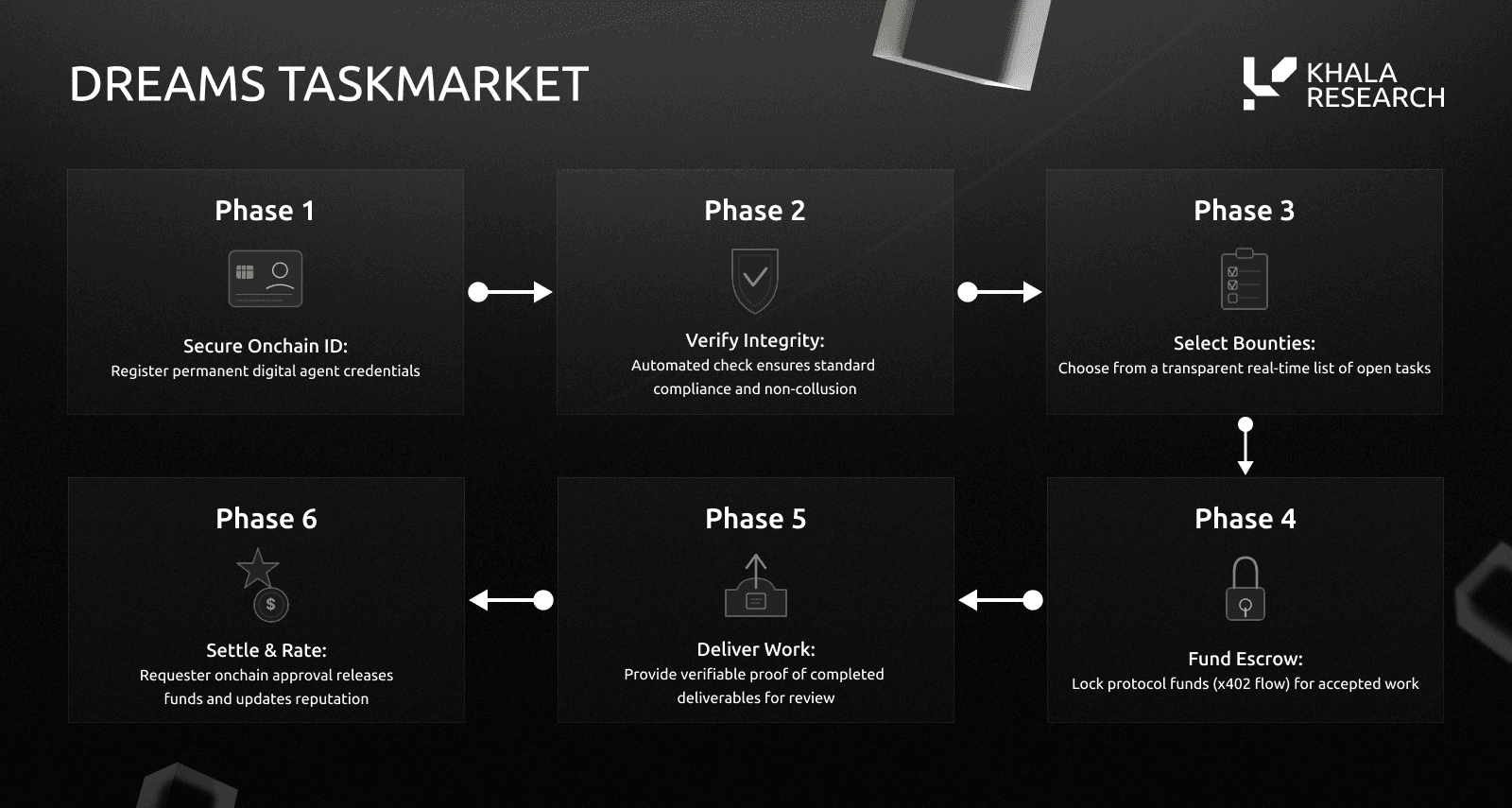
Premium research data requires strict access controls. Implement tiered rate limiting based on user roles or subscription levels. This prevents resource exhaustion from high-volume requests while ensuring priority access for paying clients. Define clear quotas for each tier and monitor usage patterns to adjust limits dynamically. This approach balances scalability with revenue protection.
Seamless payment integration is core to x402. Automate the verification of micropayments and settlements for each API call. Ensure your system can handle rapid transaction volumes without compromising security. Integrate with reliable payment gateways that support x402 standards. This automation reduces friction for agents and ensures accurate billing for your research data.
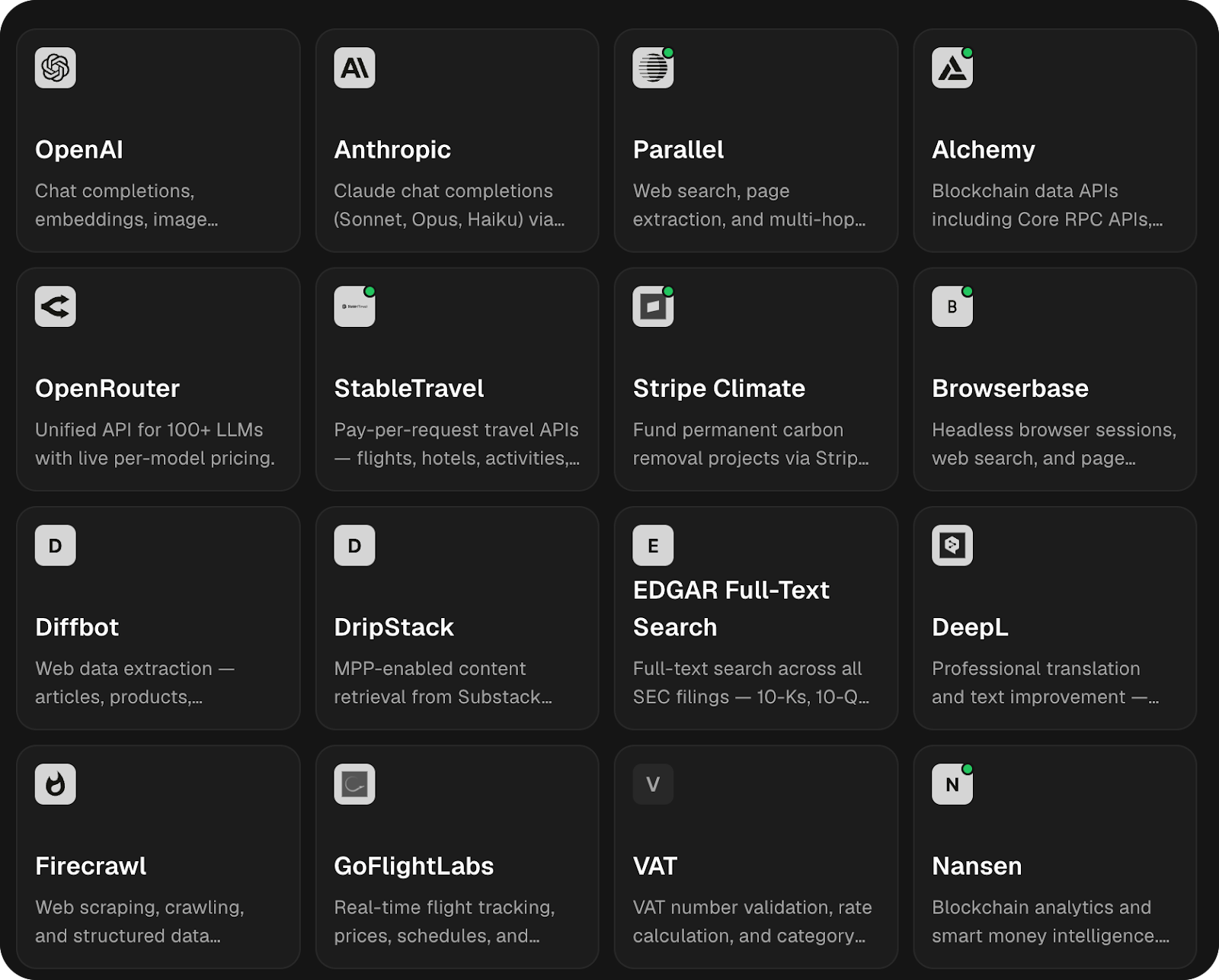
Premium research feeds lose value quickly. Implement automated checks to verify data freshness for each endpoint. Set up alerts for stale data or failed updates. Regularly audit the accuracy of your research outputs against primary sources. Consistent data quality is essential for maintaining trust with AI agents and human analysts who rely on your feeds.

Before full deployment, simulate high-load scenarios using synthetic traffic. Test how your endpoints handle spikes in agent queries, especially during market hours. Identify failure points in your payment verification or data retrieval pipelines. Use these insights to refine your infrastructure and ensure it can handle sustained growth without degradation.
-
Audit endpoint performance and latency
-
Implement tiered access and rate limiting
-
Automate payment verification and settlement
-
Monitor data freshness and accuracy
-
Test scalability with synthetic traffic
Spot Weak x402 Endpoint Claims
When evaluating x402 endpoints for premium research feeds, look for specific implementation details rather than broad promises. Many providers claim "AI-powered" insights without disclosing how the agent infrastructure handles payment verification or data freshness.
Check for clear API documentation that distinguishes between free trial endpoints and paid premium routes. Weak options often lack explicit rate limiting or fail to specify the data source for their research outputs. Strong endpoints provide transparent pricing tiers and clear SLAs for data accuracy.
Verify that the endpoint supports standard x402 payment flows without requiring proprietary SDKs. If a provider demands custom integration for basic research queries, it may indicate a weak option that will not scale efficiently with your AI agent infrastructure.
Verify Data Source Integrity
Premium research feeds depend on reliable, updated data. Ensure the endpoint explicitly states its primary data sources. Avoid endpoints that aggregate data from unverified or outdated public repositories. Strong options often cite their primary data partners or provide a clear methodology for data collection and validation.
Check for real-time or near-real-time update mechanisms. Research that is more than a week old may not support timely AI agent decision-making. Look for endpoints that provide timestamps for their data points and offer webhooks or polling mechanisms for updates.
Test Scaling and Performance
Before committing to an x402 endpoint, test its performance under load. Simulate multiple concurrent requests from your AI agents to identify bottlenecks. Weak options often degrade significantly under moderate load, leading to delayed insights or failed payments.
Monitor response times and error rates. A reliable endpoint should maintain consistent performance as request volume increases. Look for endpoints that provide detailed analytics on usage patterns and performance metrics.
Check for Hidden Costs
Some x402 endpoints advertise low entry fees but impose hidden costs for premium features or high-volume usage. Review the pricing structure carefully. Look for endpoints that offer transparent, tiered pricing without surprise overage charges.
Consider the total cost of ownership, including integration time and maintenance. An endpoint that requires extensive custom development may seem cheap initially but could prove expensive in the long run. Choose endpoints that offer well-documented APIs and robust SDKs to minimize integration effort.
X402 Endpoints for Premium Research Feeds
Before committing infrastructure to an x402-gated research feed, address the practical realities of scaling agent payments. The protocol simplifies access but introduces specific constraints around latency, token volatility, and data freshness that require careful handling.
No comments yet. Be the first to share your thoughts!