Get x402 endpoints premium research right
Before deploying your first x402 endpoint for premium research, verify your infrastructure can handle the specific requirements of payment-gated data feeds. x402 is an open standard that allows services to accept USDC payments directly over HTTP, removing the need for traditional subscription gateways. To use it effectively, you need a solid grasp of how the x402 facilitator interacts with your API logic and wallet infrastructure.
Start by ensuring your development environment supports the x402 facilitator. If you are using Next.js, you can leverage third-party facilitators to simplify the integration. You will need to configure your API routes to check for valid payment proofs before returning any research data. This setup ensures that only paying users can access the premium endpoints, maintaining the value of your research feed.
Next, define your pricing and access controls. Decide whether you want to charge per request or offer tiered access for different levels of research depth. Be clear about what users receive after payment. For example, a basic tier might provide summary data, while a premium tier offers raw datasets. This clarity helps manage user expectations and reduces support queries.
Finally, test your endpoint thoroughly. Use a test wallet to simulate payments and verify that the x402 facilitator correctly validates transactions. Check that your API returns the expected data only after successful payment. This step is crucial for catching integration errors before they affect real users. For a visual walkthrough of building a payment-gated API, you can refer to this guide on building an x402 endpoint.
Set up your x402 endpoints for premium research feeds
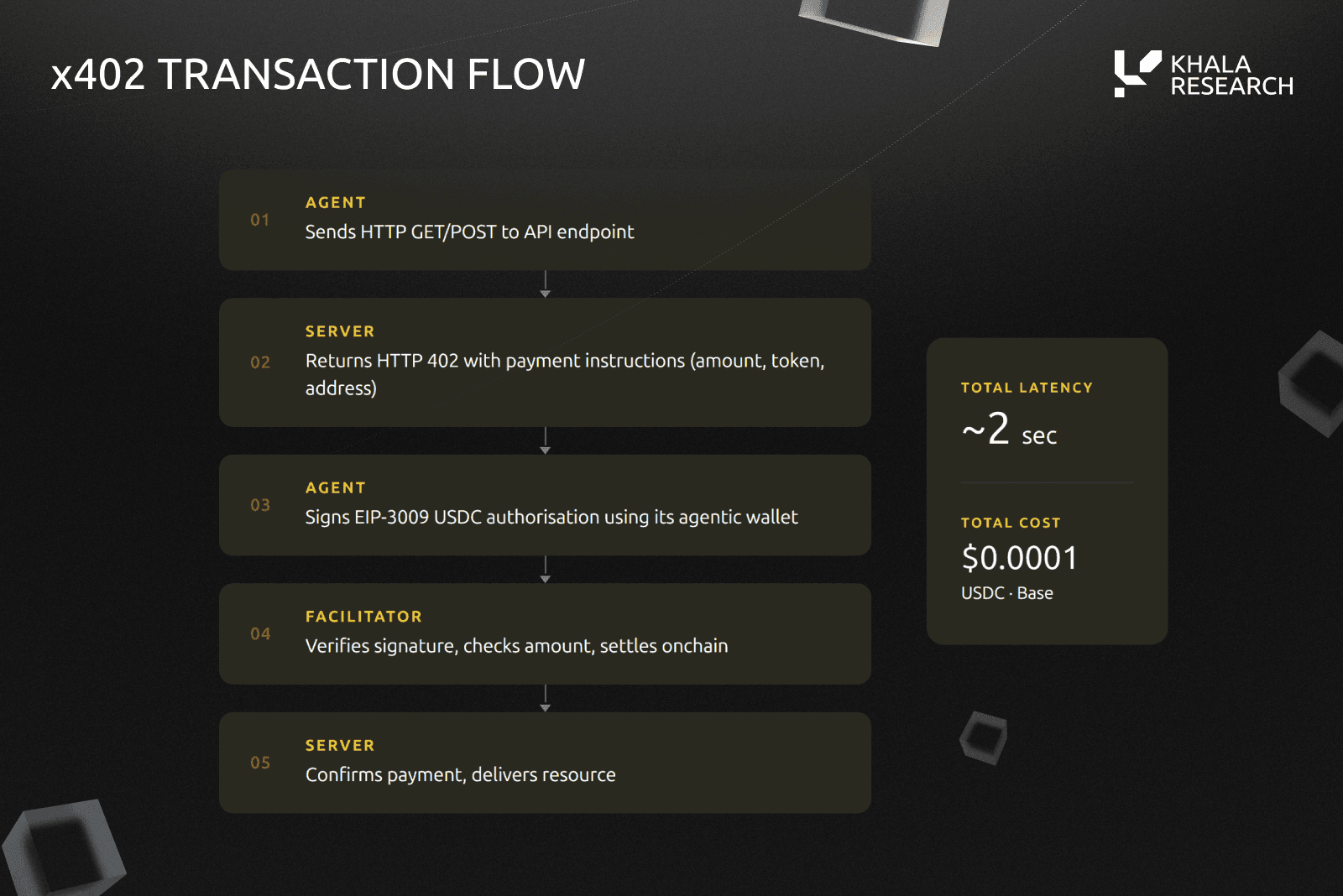
Building an x402 endpoint requires integrating a facilitator that handles the payment flow between your API and the client. This guide walks you through the essential steps to configure a secure, payment-gated research feed using USDC.
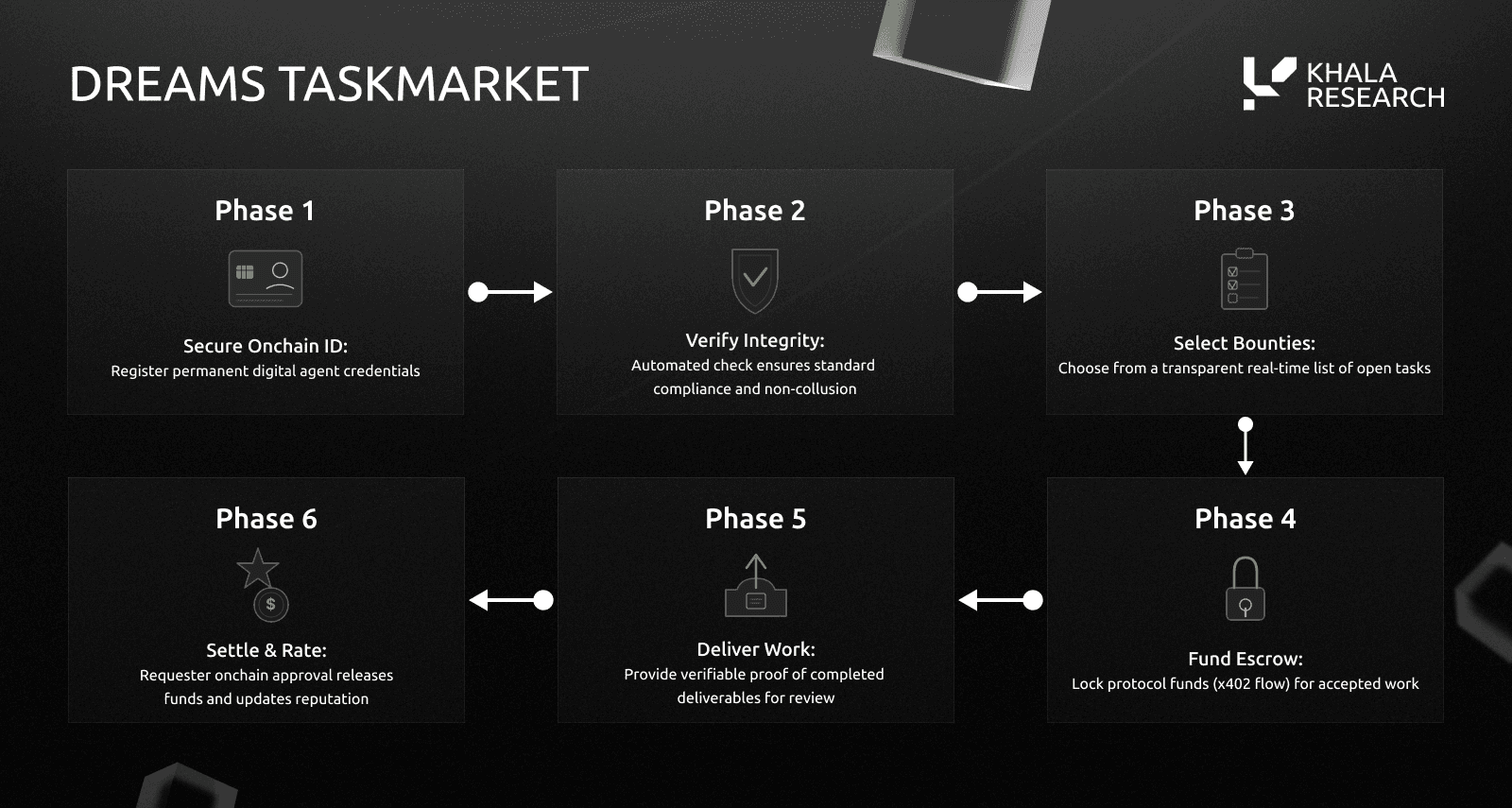
Begin by installing the official facilitator package in your project. This library acts as the middleware that intercepts HTTP requests, validates the crypto payment, and grants access to your data. For a Next.js environment, use the recommended package to ensure compatibility with server-side rendering and API routes.
Define the specific endpoints that will serve your premium research data. Mark these routes as protected within your facilitator configuration. You must specify the token address for the stablecoin you intend to accept (typically USDC on Ethereum or Polygon) and set the price per request or per subscription period. This ensures that only authenticated, paid requests reach your data logic.
Write the handler that processes the incoming payment signature. The facilitator will provide a verification function; use it to confirm that the transaction is confirmed on-chain and that the amount matches your set price. If the verification fails, return a 402 Payment Required error immediately. This step prevents unauthorized access to your research feeds before any data is served.
Once the payment is verified, return the high-quality research data in your preferred format (JSON, CSV, or stream). Ensure your response headers include appropriate caching directives to manage bandwidth costs. Since this is a premium feed, consider adding rate-limiting headers to prevent abuse even after payment is confirmed.
-
Install x402 facilitator package
-
Define protected API routes
-
Set USDC token address and price
-
Implement payment verification handler
-
Return 402 on failed verification
-
Serve data with caching headers
Fixing Common Mistakes in x402 Endpoint Setup
Implementing x402 for premium research feeds requires precision. A single misconfiguration in the payment-gated API can block legitimate users or expose your infrastructure to abuse. Below are the most frequent errors developers encounter and the practical steps to resolve them.
Ignoring Token Expiration Windows
x402 relies on short-lived tokens to authorize access. A common error is failing to validate the token's exp (expiration) claim before processing the request. If your endpoint accepts expired tokens, you risk granting access to stale or revoked credentials. Always check the timestamp against the current server time. Reject requests with a 401 Unauthorized status if the token is invalid or expired.
Overlooking Rate Limiting
Without rate limiting, your x402 endpoint becomes vulnerable to denial-of-service attacks. Researchers may inadvertently trigger excessive requests during data pulls. Implement a sliding window rate limiter based on the user's wallet address or API key. Return a 429 Too Many Requests response when the threshold is exceeded. This protects your infrastructure and ensures fair access for all premium subscribers.
Misconfiguring Payment Facilitators
Integrating with a facilitator like Thirdweb's x402 module requires correct contract addresses and network IDs. A mismatch here causes payment failures even if the user has sufficient funds. Verify the chainId and contractAddress in your configuration file. Test the integration on a testnet before deploying to mainnet. Use the official x402 documentation to confirm the latest facilitator endpoints and parameters.
Failing to Validate Payload Integrity
Premium research data often includes sensitive queries. If you do not validate the request payload, attackers could inject malicious parameters. Use a schema validator like Zod or Joi to enforce strict input types. Reject requests that do not match the expected structure. This step ensures that only legitimate, well-formed queries reach your data processing layer.
Neglecting Logging and Monitoring
Without detailed logs, diagnosing payment or access issues becomes nearly impossible. Log every payment attempt, including the transaction hash, status, and user identifier. Use these logs to identify patterns of fraud or technical errors. Integrate with a monitoring service like Sentry or Datadog to receive real-time alerts. This visibility is critical for maintaining trust with your premium research audience.
Frequently asked questions about x402 endpoints
How do x402 endpoints handle premium research data?
Unlike traditional APIs that require user accounts, x402 endpoints use the HTTP x-pay header to accept stablecoin payments directly with each request. This allows AI agents or scripts to pay per query without maintaining a session or storing credentials, making it ideal for high-frequency data fetching.
Which stablecoins are supported for premium feed access? Most implementations, including those using Coinbase Developer Platform (CDP) or Thirdweb facilitators, primarily support USDC on Ethereum and compatible Layer 2 networks like Base. This ensures low transaction fees and fast settlement times for micro-payments.
What happens if a payment transaction fails?
If the payment confirmation is not received within the timeout window, the endpoint returns a 402 Payment Required status code. The client must retry with a new signature and payment. There is no partial data delivery; the response is strictly gated until the transaction is confirmed on-chain.
Can I use x402 for internal or private research feeds? Yes. x402 is an open standard that works with any HTTP route. You can integrate it with private authentication layers or restrict access to specific wallet addresses if needed, though the primary design focuses on anonymous, permissionless access via cryptographic signatures.
No comments yet. Be the first to share your thoughts!