Why x402 fits agent commerce
Traditional payment gateways were built for human shoppers, not autonomous software. When an AI agent needs to access a premium research feed, it faces a friction point: existing payment processors require account creation, manual approval, and often charge fixed fees that dwarf the cost of a single data query. This mismatch makes micro-transactions economically unviable. An agent might need to pay fractions of a cent for a specific data point, but a standard credit card transaction incurs a minimum overhead that renders the exchange pointless.
x402 solves this by embedding payment directly into the HTTP protocol. Instead of a separate checkout flow, the payment response is part of the standard web interaction. When an agent requests data, the server responds with a 402 Payment Required status code if the payment hasn't been made. Once the agent sends the stablecoin payment, the server immediately grants access. This creates a seamless, machine-to-machine economy where value and data move simultaneously.
For AI agents, this means no accounts, no human approval, and no latency. The protocol leverages stablecoins to ensure predictable pricing, avoiding the volatility that complicates automated budgeting. This HTTP-native approach allows agents to browse, verify, and purchase data in a single, continuous loop, turning premium research feeds into accessible, real-time utilities rather than gated resources.
This shift from human-mediated commerce to agent-mediated commerce is critical for the future of data markets. By removing the friction of traditional payment infrastructure, x402 enables a new class of automated services that can consume premium data at scale. For developers building agent-driven applications, this means the barrier to entry for accessing high-quality research feeds is no longer a business negotiation, but a simple API call.
Setting up the x402 endpoint
Implementing an x402 endpoint transforms a standard API route into a payment-gated service. Instead of relying on traditional subscription keys or credit card processors, the endpoint itself handles the transaction logic. The client sends a request, the server responds with a 402 Payment Required status, and the client pays via a cryptocurrency transaction to access the data.
This flow relies on two core concepts: the 402 status code and the payment payload. When your server detects an unpaid request, it returns a 402 response containing a payment_payload object. This object includes the transaction details, such as the chain ID, token address, and amount. The client uses this payload to construct and broadcast a transaction. Once the facilitator confirms the payment, the server grants access to the premium research feed.
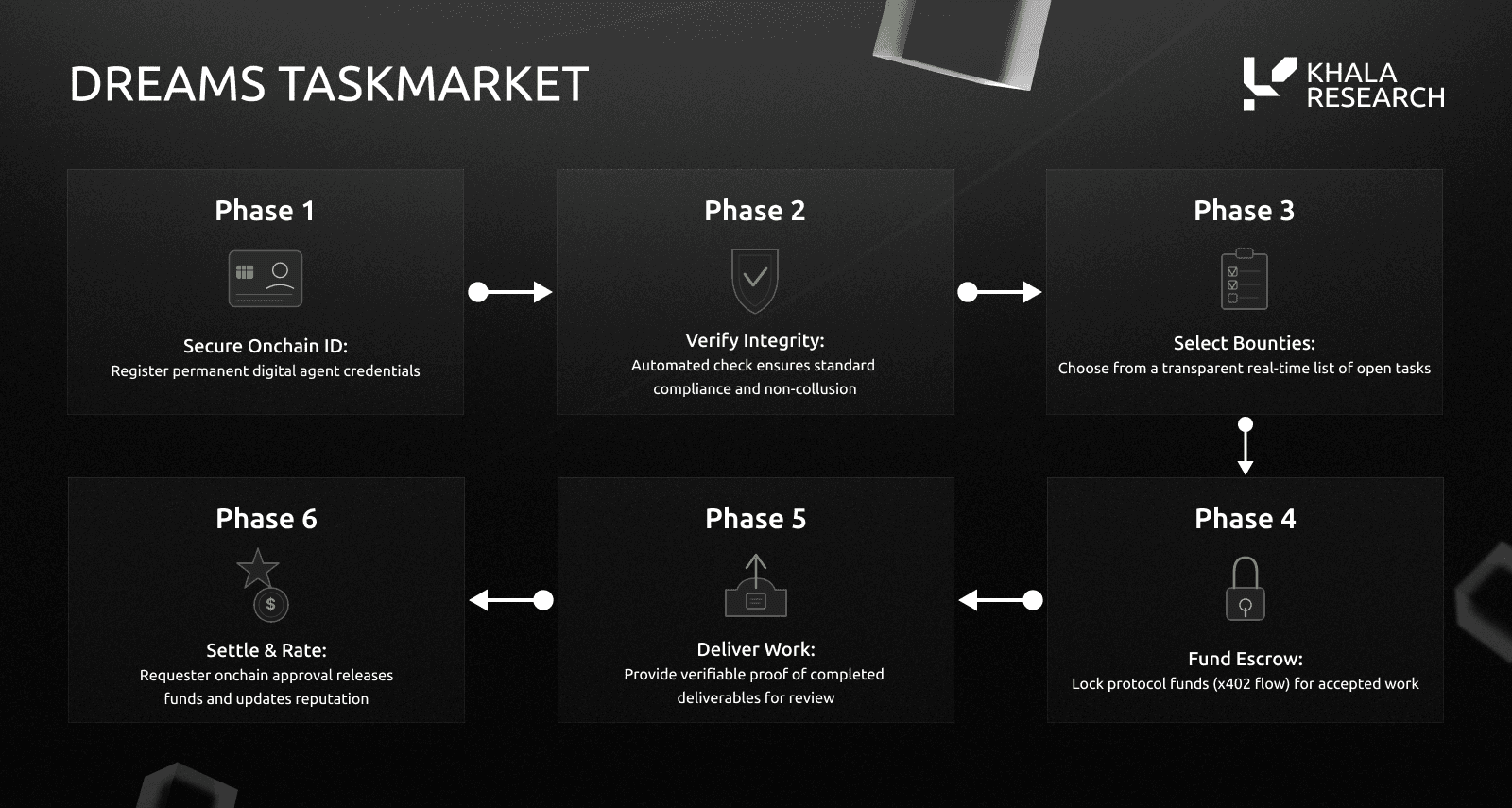
Start by setting up your server environment. For a Next.js application, install the necessary SDKs. You will need the standard next framework, along with a facilitator library like thirdweb or the coinbase-developer-platform SDK. These libraries handle the complex blockchain interactions, allowing you to focus on the API logic. Ensure your environment variables are configured with your wallet private key or signer configuration for signing payment receipts.
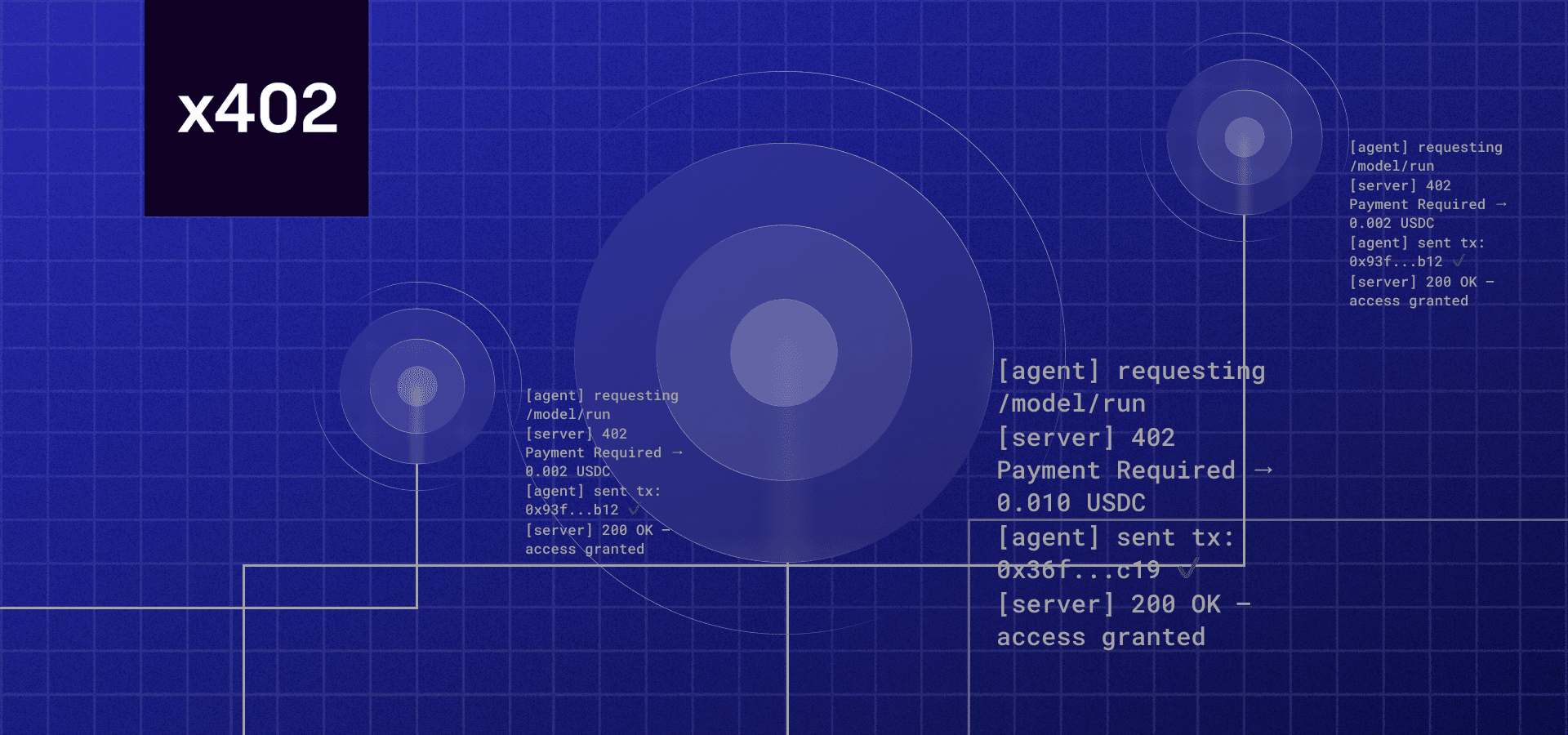
Define your API endpoint, typically at /api/premium-data. Inside this route, check for the x-payment-receipt header. If the header is missing or the payment has not been verified, do not return the data. Instead, construct a payment_payload object. This object must specify the currency (usually USDC for stable settlements), the exact amount due, and the recipient wallet address. Return this payload in the body of a 402 response.
Manual blockchain verification is error-prone. Use a facilitator like Thirdweb or Coinbase Developer Platform (CDP) to automate the process. The facilitator monitors the blockchain for transactions matching your payment_payload. When a valid transaction is detected, the facilitator provides a signed receipt. Your server validates this receipt against the facilitator’s API to ensure the payment was genuine and irreversible before releasing the research data.

Once the facilitator confirms the payment, your server should update the state or session to reflect the successful transaction. You can now return the premium research feed data in the response body. To improve user experience, consider caching the payment verification for a short duration so users don’t need to pay for every single request during their session.
To understand the economic context of this model, it helps to look at the asset being used for settlement. Most x402 implementations use USDC due to its stability and widespread support.
By following these steps, you can build a robust, crypto-native API that monetizes data directly. This approach removes friction for crypto-native users and opens up new revenue streams for premium research feeds.
Integrating with research data feeds
Wrapping premium research data—such as real-time market analysis or institutional financial reports—behind an x402 endpoint transforms static content into a monetizable asset. Unlike traditional API key systems that rely on trust, x402 enforces a strict pay-per-use model where data is only released after the blockchain settlement is confirmed. This approach is particularly valuable for high-stakes financial data, where the cost of unauthorized access or data leakage can be severe.
Access Control and Settlement Verification
The core mechanism of an x402-integrated feed is the 402 Payment Required response. When a client requests sensitive research data, the server does not return the payload immediately. Instead, it returns a 402 status code accompanied by a Pay-To header. This header contains the payment details, including the cryptocurrency address and the specific amount required for access. The client must then construct a transaction, sign it, and submit the payment proof to the server.
Only after the server verifies the transaction on the blockchain—often with a single confirmation block—does it release the data. This ensures that access control is not just a software layer but a cryptographic guarantee. For providers, this eliminates the friction of subscription management and upfront billing, allowing users to pay only for the exact reports or data points they consume. For buyers, it provides transparent, auditable proof that payment was made for the specific data retrieved.
Rate Limiting and Abuse Prevention
Integrating x402 also simplifies rate limiting. Since each request requires a micro-transaction, the cost of scraping or automated abuse becomes economically prohibitive. Traditional API gateways often struggle with distinguishing between legitimate high-frequency trading algorithms and malicious scrapers. With x402, the financial barrier acts as a natural throttle. You can configure your endpoint to reject requests that do not include a valid payment proof, ensuring that only paying clients can access the feed.
It is important to implement robust error handling for failed transactions. Network congestion or insufficient gas fees can cause legitimate payments to fail. Your endpoint should return clear 402 responses with specific error codes indicating whether the issue lies with the payment payload format or the blockchain verification status, allowing the client to retry without ambiguity.
Comparison: Traditional API vs. x402 Access
The shift from static API keys to x402 pay-per-use access changes the economics of data delivery. The table below highlights the primary differences in access control and settlement.
| Feature | Traditional API Key | x402 Pay-Per-Use |
|---|---|---|
| Access Model | Subscription or tiered access | Per-request micropayment |
| Payment Verification | Server-side token validation | On-chain transaction confirmation |
| Abuse Prevention | Rate limits and IP blocking | Economic cost per request |
| Fraud Risk | High (key sharing, leakage) | Low (cryptographically bound) |
Common integration mistakes
Building x402 endpoints for premium research feeds requires more than just adding a payment layer to an existing API. The protocol introduces specific security and operational constraints that, if ignored, can lead to data leaks, failed transactions, or vulnerable endpoints. Most failures stem from treating x402 as a simple wrapper rather than a distinct security boundary.
Skipping proper facilitator handling
The x402 protocol relies on a facilitator to mediate the exchange of credentials for content access. A common mistake is attempting to bypass this step or handling the facilitator logic incorrectly. If your endpoint does not properly validate the facilitator's signature or fails to route the payment verification through the agreed-upon channel, the transaction will fail silently or expose data to unauthorized agents. Ensure your implementation strictly follows the facilitator specification to maintain trust and security.
Weak security in payment verification
Payment verification in x402 is not just about checking a balance; it is about validating the cryptographic proof of payment. Many developers make the error of trusting client-side assertions or using weak hashing algorithms for credential verification. This vulnerability allows malicious actors to spoof payment proofs and access premium research data without paying. Always use strong, standardized cryptographic methods to verify that the payment credential is valid and has not been tampered with.
Poor error handling for failed transactions
Research feeds often deal with complex data requests that may fail due to network issues, invalid parameters, or insufficient funds. A robust x402 implementation must provide clear, specific error codes for these failures. Generic error messages leave AI agents and clients guessing, leading to repeated failed attempts and a poor user experience. Implement detailed error responses that explain exactly why a transaction failed, enabling clients to retry or adjust their requests appropriately.
Verifying settlement and access
Before granting premium research data, your system must confirm that the payment has been successfully settled. Relying solely on an HTTP 200 OK response from the payment facilitator is insufficient for high-stakes financial data. You need on-chain or facilitator-backed proof that the funds actually moved.
The x402 specification relies on a clear separation between the payment request and the access grant. When a client submits a payment payload, your endpoint should first validate the signature and the transaction hash. Then, you must verify that the transaction is included in a block and, depending on your risk tolerance, that it has reached a sufficient number of confirmations. This prevents replay attacks and ensures the payment is final.
Idempotency is critical here. Research feeds are often requested repeatedly due to network latency or client retries. Your system must track completed payments using unique transaction IDs or request hashes. If the same payment hash arrives again, return the cached access token or data without re-processing or charging the user. This audit trail protects your revenue and ensures consistent access for legitimate users.
For providers using specific blockchain networks like Monad or Coinbase Developer Platform, consult the official quickstart guides to understand the specific settlement finality requirements. These platforms often provide SDKs or helper functions to verify transaction status efficiently. Always test these verification flows on a testnet before deploying to production to avoid locking out paying customers due to verification errors.
No comments yet. Be the first to share your thoughts!