What x402 changes for research data
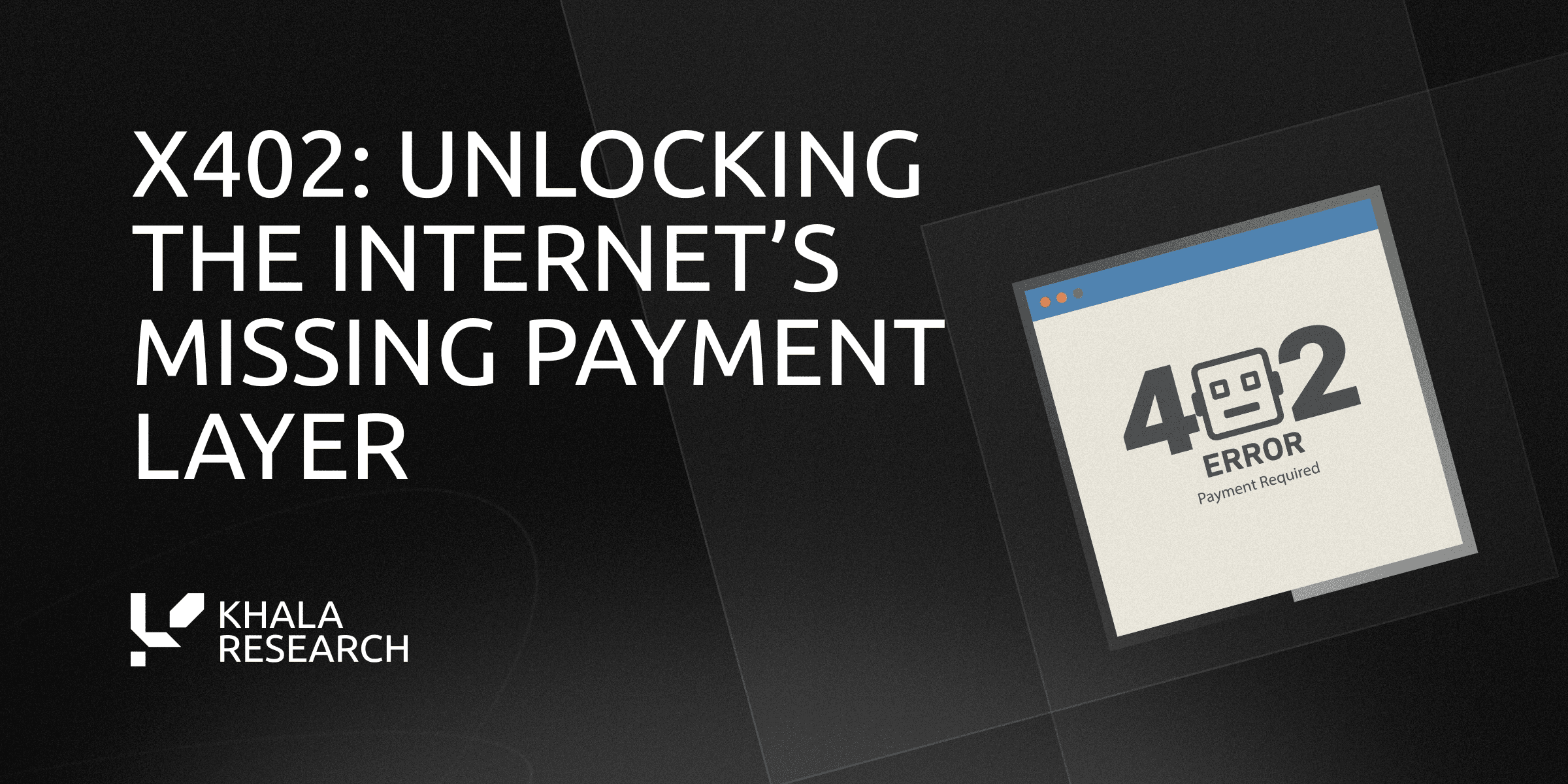
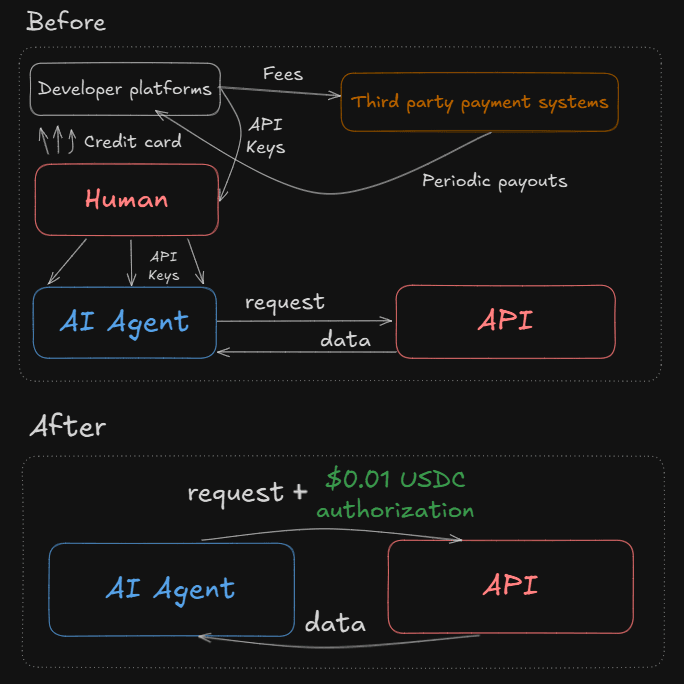
For years, premium research feeds have been gated by friction. Access required manual API keys, credit card subscriptions, or complex authentication flows that AI agents couldn't navigate. x402 flips this model by introducing an HTTP-native payment standard that allows AI agents to pay per request with stablecoins, removing the need for accounts or human approval for data access.
This shift is significant for developers building x402 endpoints for premium research feeds. Instead of waiting for a human to approve a transaction or managing user balances, the AI agent can automatically attach payment to the HTTP request. This mirrors how the web handles content, but with cryptocurrency settlement, making it possible for autonomous agents to access high-value data in real time.
By integrating x402, you are not just adding a payment gateway; you are enabling a new economy for data. Your endpoint becomes accessible to any agent that can hold and spend stablecoins, opening up a global market without the overhead of traditional fintech infrastructure. This approach aligns with the growing demand for machine-to-machine commerce, where speed and automation are paramount.
Set up the facilitator and wallet
Before you can build x402 endpoints for premium research feeds, you need to configure the infrastructure that handles payments. The x402 standard separates the logic of your API from the logic of payment processing by using a facilitator. This facilitator sits between your server and the blockchain, verifying that a user has paid before granting access to your data.
We will use Thirdweb’s facilitator for this setup. It is a managed service that simplifies the complex cryptography involved in on-chain payments. You will also need a seller wallet to receive the USDC payments from your research subscribers. This wallet acts as your business bank account for the API.
Start by installing the Thirdweb SDK in your project directory. This package provides the necessary tools to interact with the facilitator. Run the command npm install @thirdweb-dev/sdk to add it to your dependencies. This SDK will handle the signing of requests and the verification of payments.
Create a .env file to store your facilitator credentials. You will need your Thirdweb client ID and the facilitator URL for your specific network (e.g., Base, Ethereum, or Polygon). These variables allow your server to authenticate with the facilitator service. Never commit this file to version control.
Generate a new wallet specifically for receiving API payments. If you are using Coinbase CDP, you can generate a wallet directly in the dashboard. Transfer a small amount of native gas tokens (ETH or MATIC) to this wallet so it can pay for any necessary on-chain transactions. This wallet address will be registered with your facilitator.
Link your seller wallet to the facilitator service. This step ensures that payments directed to your endpoint are routed to your wallet. The facilitator will now monitor the blockchain for payments made to your specific endpoint configuration. Once registered, you are ready to attach x402 logic to your API routes.
Return HTTP 402 with payment instructions
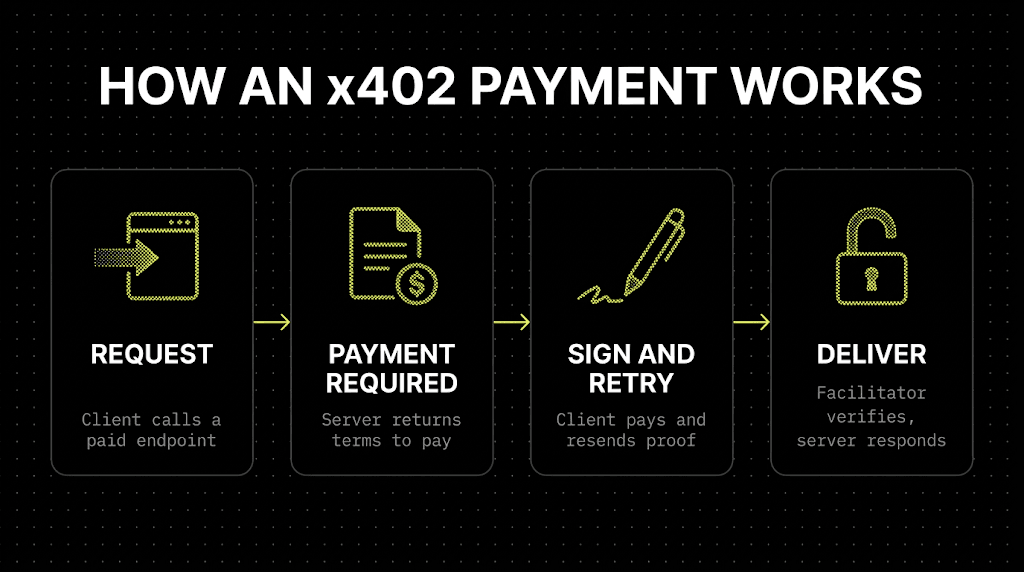
Your x402 endpoint for premium research feeds must enforce payment at the protocol level. When an agent or user requests data without a valid payment proof, the server responds with an HTTP 402 status code. This is not a generic error; it is a structured instruction set that tells the client exactly what to pay, how much, and where to send the funds.
The x402 protocol standardizes this interaction, ensuring that premium data feeds—such as real-time market data or compliance reports—can settle instantly in cryptocurrency, typically USDC on a supported chain like Base or Ethereum. By embedding payment instructions directly in the 402 response, you remove the need for external checkout flows or API key gateways that don't verify actual payment.
1. Construct the 402 Response
When the request lacks a valid Payment-Proof header, return a 402 status with a JSON body containing the payment details. This payload must include the amount to be paid, the currency (usually USDC), the recipient address, and the chain ID. This structure allows the agent to automatically construct and sign the payment transaction without manual intervention.
2. Include Payment Proof Requirements
Alongside the payment instructions, specify the expected format of the Payment-Proof header for future requests. This typically includes the transaction hash, the sender's address, and a signature verifying the payment. By defining this upfront, you ensure that once the client pays, they can immediately retry the request with a valid proof, unlocking access to the premium research feed.
3. Validate on Retry
When the client retries with the Payment-Proof header, validate the transaction on-chain. Check that the amount matches the instruction, the recipient address is correct, and the transaction is confirmed. If valid, return the requested research data. If invalid, return a 402 again with updated instructions or an error message explaining the validation failure.
Start by defining the JSON structure for your 402 responses. This payload must include the amount, currency, recipient, and chain fields. Ensure the amount is precise to avoid underpayment or overpayment issues. This structure serves as the blueprint for the agent's payment action.
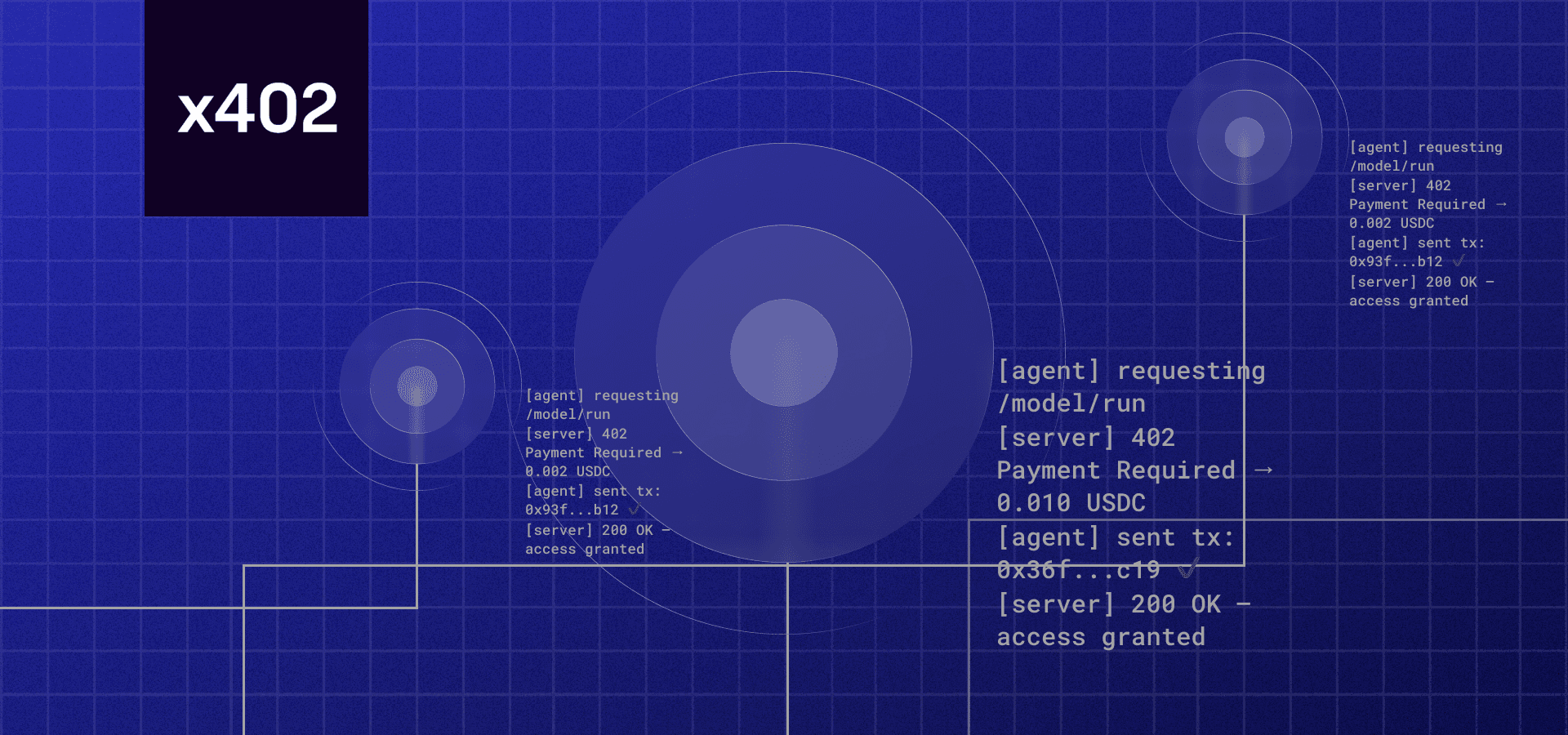
On retry, validate the Payment-Proof header against the blockchain. Use a library like ethers.js or viem to verify the transaction hash and confirm the payment matches the instructions. This step ensures that only paying users access your premium research data.
If validation succeeds, return the requested research data with a 200 OK status. If it fails, return a 402 with updated instructions or an error message. This loop ensures seamless access for paying users while blocking unpaid requests.
This approach transforms your x402 endpoint for premium research feeds into a self-contained payment system. By handling payment at the protocol level, you reduce friction for agents and ensure instant settlement for your data services. For more details on the x402 protocol, refer to the official x402 documentation.
Verify payment proof on subsequent requests
After the initial payment is confirmed, the client holds a signed transaction proof. This proof is not just a receipt; it is a credential that grants access to your premium research feeds. To prevent unauthorized data retrieval, your x402 endpoints must validate this proof on every subsequent request.
Think of the payment proof as a digital key. If the key doesn't match the lock on your server, the door stays shut. You need to implement a middleware or a request handler that intercepts incoming API calls and checks for this credential before processing any data.
Extract and validate the proof
Most x402 implementations attach the payment proof in the Authorization header or as a specific query parameter. Your endpoint should extract this value immediately. Once extracted, you must verify the signature against the public key associated with the payment protocol. This ensures the proof was genuinely issued by a trusted payment processor and hasn't been tampered with.
Check for expiration and scope
A valid proof might have an expiration time or a specific scope limit. For example, a user might pay for a single data pull or a 24-hour access window. Your validation logic must check these metadata fields to ensure the request is still within the authorized period. If the proof has expired, return an HTTP 402 status code with instructions on how to renew access, keeping the user experience consistent with the initial payment flow.
Reject invalid requests
If the proof is missing, malformed, or invalid, your endpoint should reject the request immediately. Do not leak any partial data or error messages that could help an attacker reverse-engineer your authentication logic. A simple 402 Payment Required response is standard and clear. This strict enforcement ensures that only users with valid, verified payments can access your premium research data, maintaining the integrity of your x402 endpoints for premium research feeds guide.
Handle payment expiry and refresh logic
Token expiration is the difference between a one-time sale and a sustainable research feed. When building x402 Endpoints for Premium Research Feeds, you must account for the fact that most payments are short-lived. Without a refresh mechanism, your users lose access the moment their token expires, leading to churn and support tickets.
Set clear expiration windows
Define your token lifespan based on your data’s value. Daily market data might warrant a 24-hour window, while quarterly reports could last 90 days. Communicate this clearly in your HTTP 402 response headers. Use the Payment-Required-Until header to tell clients exactly when their access ends.
Implement automatic renewal
Don’t force users to manually pay every time. Build a webhook listener on your x402 endpoint that detects upcoming expirations. When a token is within 24 hours of expiry, trigger an automated renewal request. This keeps your research feed uninterrupted and maximizes lifetime value.
Graceful degradation
If a payment fails, don’t just cut access abruptly. Return a 402 with a retry-after header, giving users a window to update their payment method. This small courtesy preserves trust and ensures your x402 Endpoints for Premium Research Feeds remain reliable during payment hiccups.
Helpful gear
Use these product recommendations as a starting point, then choose the size, material, and price point that fit how you actually use the gear.


As an Amazon Associate, we may earn from qualifying purchases.
No comments yet. Be the first to share your thoughts!