Why x402 fits premium research
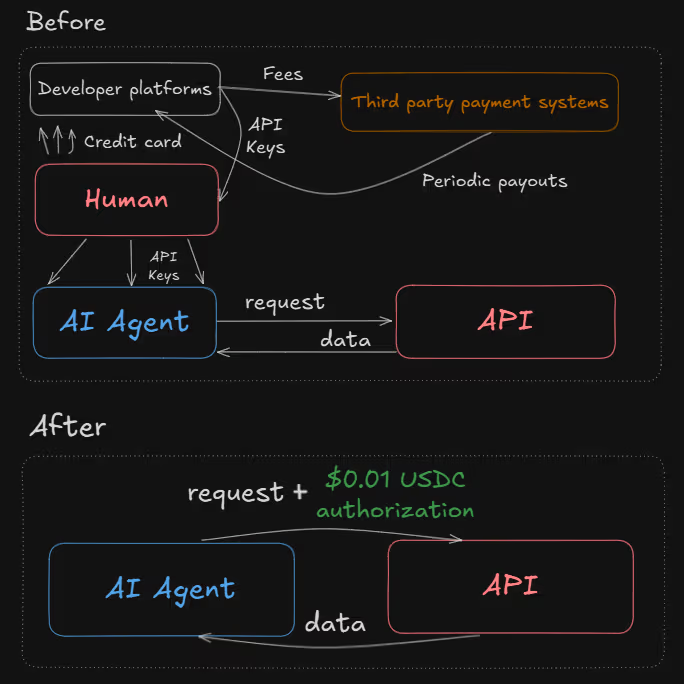
Traditional API keys and subscription models create friction that premium research cannot afford. When a hedge fund or AI agent needs access to a specialized market feed, waiting for credit card approval or navigating complex billing cycles breaks the flow of capital. x402 Endpoints for Premium Research Feeds solve this by moving payment to the protocol level. As an HTTP-native standard, x402 allows AI agents to pay per request with stablecoins without creating accounts or seeking human approval.
This shift transforms data monetization from a sales operation into a technical infrastructure problem. Instead of relying on legacy billing gateways that often fail under high-frequency load, x402 handles payment verification and settlement instantly. For premium data providers, this means access to a new class of buyers—autonomous agents—that operate 24/7 and require instant, trustless settlement.
The economic model also changes. Subscription models leave money on the table when usage spikes, while x402’s micropayment structure ensures you are paid exactly for the data fetched. This precision is critical for high-value datasets where the cost of access must reflect the immediacy and depth of the insight provided.
Setting up the x402 infrastructure
Building an x402 endpoint for premium research feeds requires bridging traditional web infrastructure with on-chain settlement. The standard allows agents to pay for data automatically, but the setup demands specific configuration to ensure payments are verified before data is released. We will walk through the technical stack required to gate an endpoint securely, focusing on the integration points between your API, the blockchain, and the x402 facilitators.
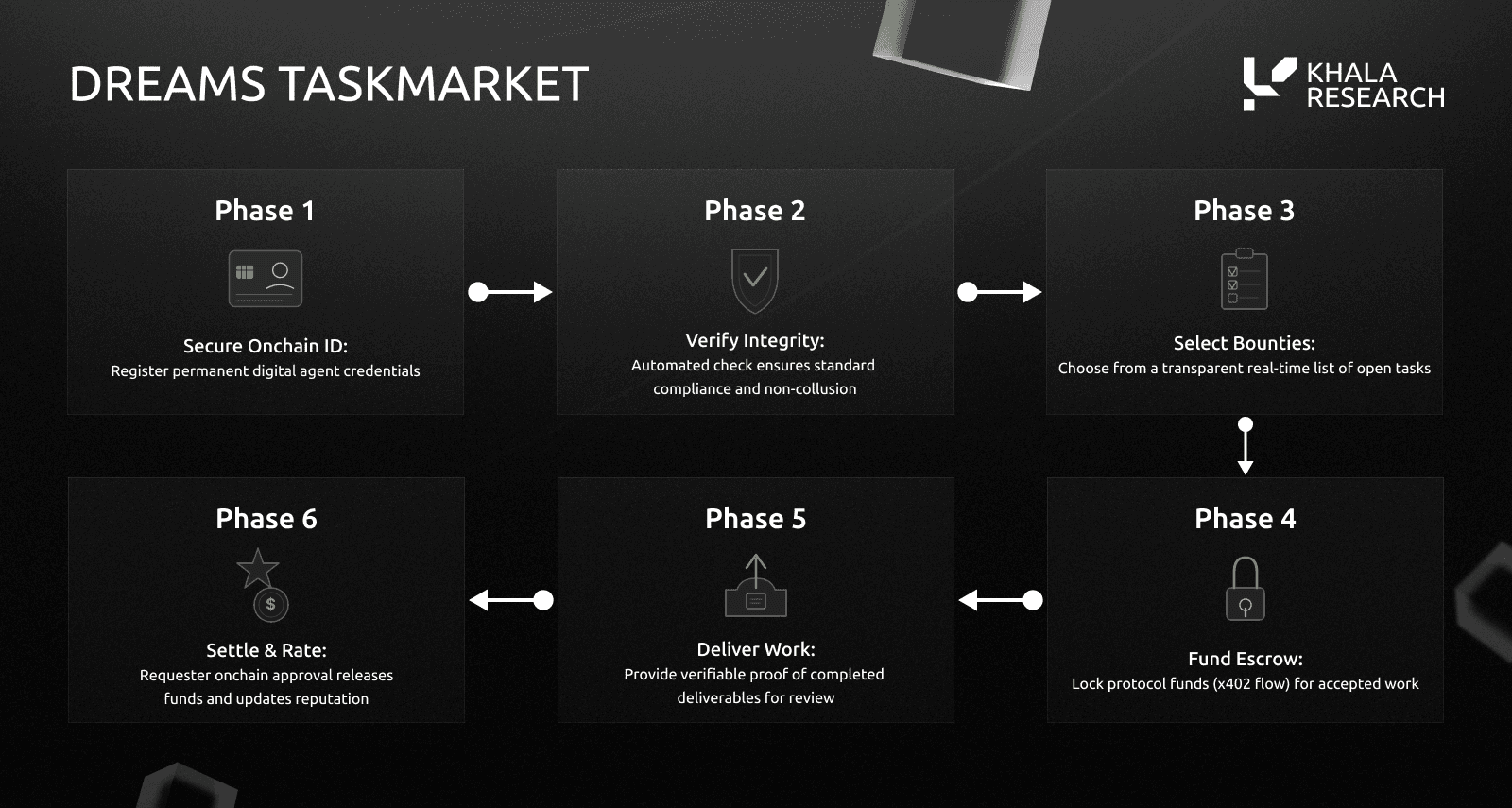
Start by isolating the research data behind a protected HTTP route. Most providers use AWS Lambda or a similar serverless function to handle the request. At this stage, the endpoint should return a 402 Payment Required response if no valid payment credential is present. This ensures that unauthorized requests are rejected before they hit your data processing layer, keeping costs predictable and infrastructure secure.
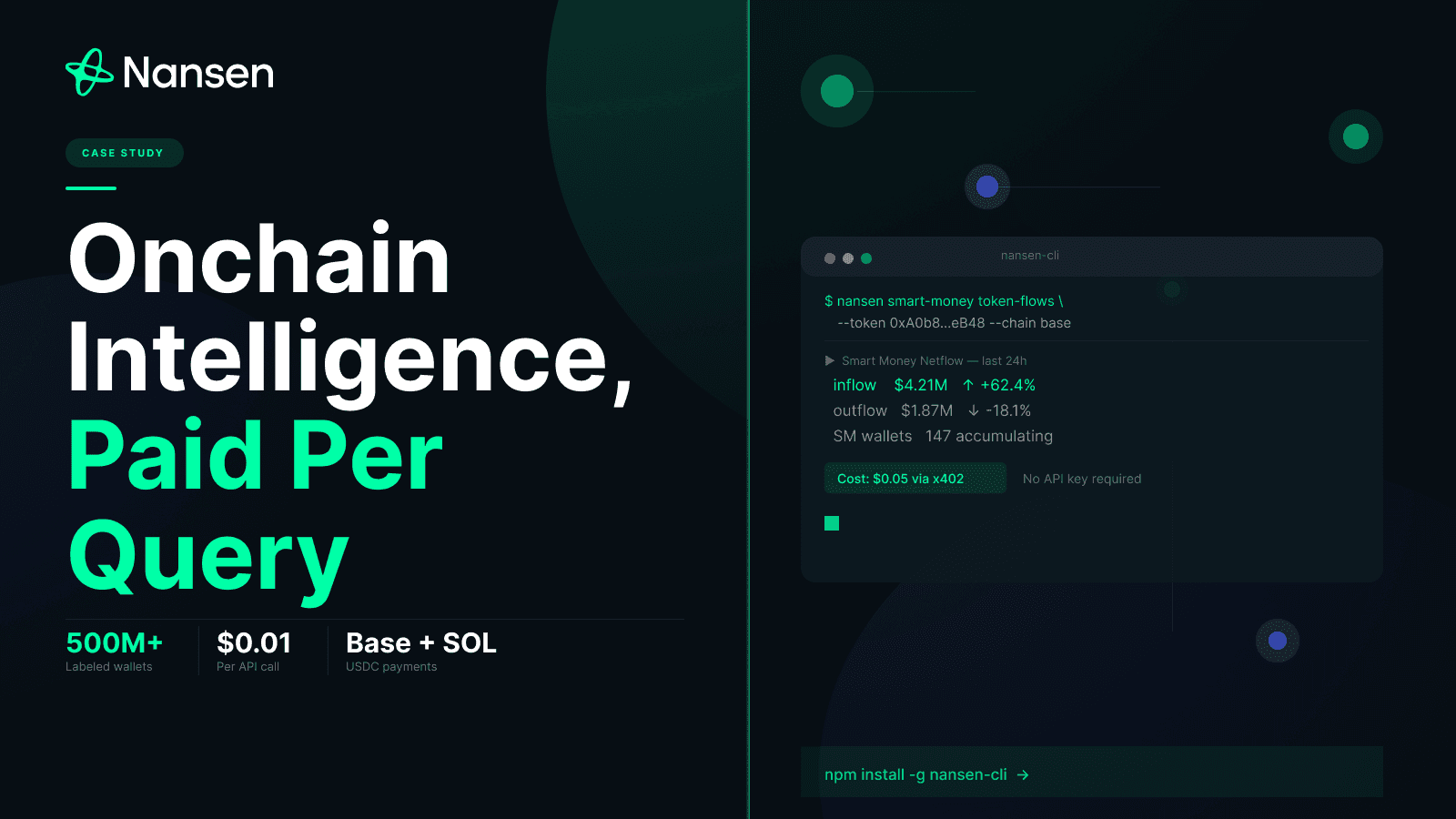
Your server needs a wallet capable of receiving payments in stablecoins like USDC. The Coinbase Developer Platform (CDP) offers a managed wallet service that simplifies this. You will use the CDP API to generate a unique deposit address for each incoming request. This address is tied to a specific transaction ID, allowing your backend to track which agent paid for which data slice. This step is critical for linking the on-chain payment to the off-chain data delivery.
Once the wallet is active, you need to verify that the payment actually occurred. This is done by checking the blockchain for a transaction to your deposit address. The x402 standard specifies how agents should sign this payment using their private keys. Your backend should query a blockchain provider (like Alchemy or Infura) to confirm the transaction is confirmed and matches the expected amount. Only after this verification should you release the premium research feed data.
With the wallet and verification logic in place, you can now deploy the final endpoint. This endpoint should accept the payment credential in the request headers. If the credential is valid and the payment is confirmed, the endpoint returns the research data. If not, it returns a 402 error with instructions on how to pay. This creates a seamless, automated flow where agents can access premium data without manual invoicing or API key management.
| Component | Purpose |
|---|---|
| HTTP Server | Delivers data or 402 errors based on payment status. |
| CDP Wallet | Receives and tracks USDC payments from agents. |
| Blockchain Node | Verifies transaction confirmation on-chain. |
| x402 Facilitator | Standardizes payment credential format and verification. |


As an Amazon Associate, we may earn from qualifying purchases.
The transition to x402 endpoints is not just about adding a payment gateway; it is about rethinking how value and data intersect. By following these steps, you create a robust infrastructure that supports autonomous agents while maintaining security and control over your premium research feeds. For more details on the technical specifications, refer to the official x402 documentation and the CDP seller guide.
Designing endpoints for research data
Structuring an API for premium research requires more than just adding a payment wall. The architecture must balance strict security with low-latency data delivery, ensuring that high-value intelligence flows securely to verified buyers. Unlike public endpoints, x402 endpoints for premium research feeds treat data access as a transactional asset, where the route itself enforces payment compliance before any logic executes.
Start by defining granular route structures that reflect the value hierarchy of your data. Research feeds often contain nested intelligence, such as company profiles, competitor analyses, or sales signals. Organizing these under distinct prefixes like /v1/company/research or /v1/competitors/analyze allows for precise permissioning and rate-limiting per data tier. This separation prevents a single high-volume request from exhausting the entire endpoint's capacity, protecting the integrity of the feed for all subscribers.
Security should be handled at the gateway level. Integrate x402 middleware early in the request lifecycle to verify the payment token before it reaches your business logic. This ensures that only authenticated, paid requests trigger expensive database queries or AI inference calls. By offloading the verification step to the protocol layer, you reduce server load and eliminate the risk of unauthorized data leakage through standard API key vulnerabilities.
The shift from traditional API key authentication to x402 payment-gated access fundamentally changes the security model. While API keys can be leaked or shared, x402 tokens are cryptographically bound to the specific payment transaction, ensuring that access is both temporary and verifiable.
| Feature | Standard API Key | x402 Payment-Gated |
|---|---|---|
| Authentication | Static secret key | Cryptographic payment token |
| Access Control | Role-based (RBAC) | Transaction-bound |
| Leakage Risk | High (keys can be shared) | Low (tokens expire/validate) |
| Billing Integration | External subscription layer | Native on-chain settlement |
Strategic pricing for research feeds
Pricing x402 endpoints for premium research feeds requires balancing friction against value. Unlike traditional SaaS subscriptions, x402 enables transactional precision. You can charge per request for high-frequency data or bundle access for comprehensive reports. This flexibility allows you to tailor costs to how clients actually consume your data.
Micropayments vs. Bundled Access
Per-request micropayments suit real-time market data or compliance feeds where usage fluctuates. Clients pay only for the specific data points they query, reducing waste and lowering the barrier to entry. For stable, high-volume research, bundled access provides predictable costs. This model works well for quarterly reports or static datasets that don't require constant API calls.
The Role of Stablecoins
Stablecoins like USDC are the backbone of x402 pricing. They provide instant settlement without the volatility of other cryptocurrencies. This stability is critical for research firms that need to forecast revenue accurately. Using a live price feed helps contextualize transaction costs and ensures your pricing remains competitive against fiat-based alternatives.
Common Pitfalls and Fixes
Even with a clean payment flow, x402 endpoints for premium research feeds often fail under real-world conditions. The most frequent issue is improper signature handling. If your endpoint doesn't strictly validate the Authorization header against the x402 spec, you risk either rejecting legitimate payments or, worse, serving data without compensation. Coinbase CDP’s quickstart guides emphasize that signature verification must happen before any business logic executes.
Another critical error is providing vague error responses. When an API call fails—whether due to an invalid signature, expired token, or network timeout—the response must clearly distinguish between a payment issue and a data error. A generic 500 error doesn't help an AI agent retry correctly. Use specific HTTP status codes and include a x-error-reason header to guide the client.
Finally, don't assume all stablecoins are equal. Some premium research feeds require payments in specific assets like USDC on Ethereum or Base. If your endpoint accepts any ERC-20 token, you may face reconciliation headaches. Define your accepted currencies upfront and document them clearly in your API specs.
Deployment checklist for x402 research endpoints
Before routing live research data through x402, verify your infrastructure handles the payment flow without friction. Start by integrating the x402 client library into your API gateway. This ensures your server can parse the Paywall-Response header and validate that the micropayment cleared before releasing sensitive data. For high-throughput research feeds, AWS infrastructure provides a robust foundation for these agentic commerce transactions, minimizing latency during peak market hours [src-serp-7].
Configure your API to reject requests lacking a valid Paywall-Response header. Ensure your backend routes these payments to a dedicated wallet address for research feeds, separating them from general transactional traffic to simplify accounting.
Attach token buckets to your x402-gated endpoints. Since research data is high-value, limit requests per paid session to prevent abuse. This protects your feed’s integrity while ensuring fair access for premium subscribers.
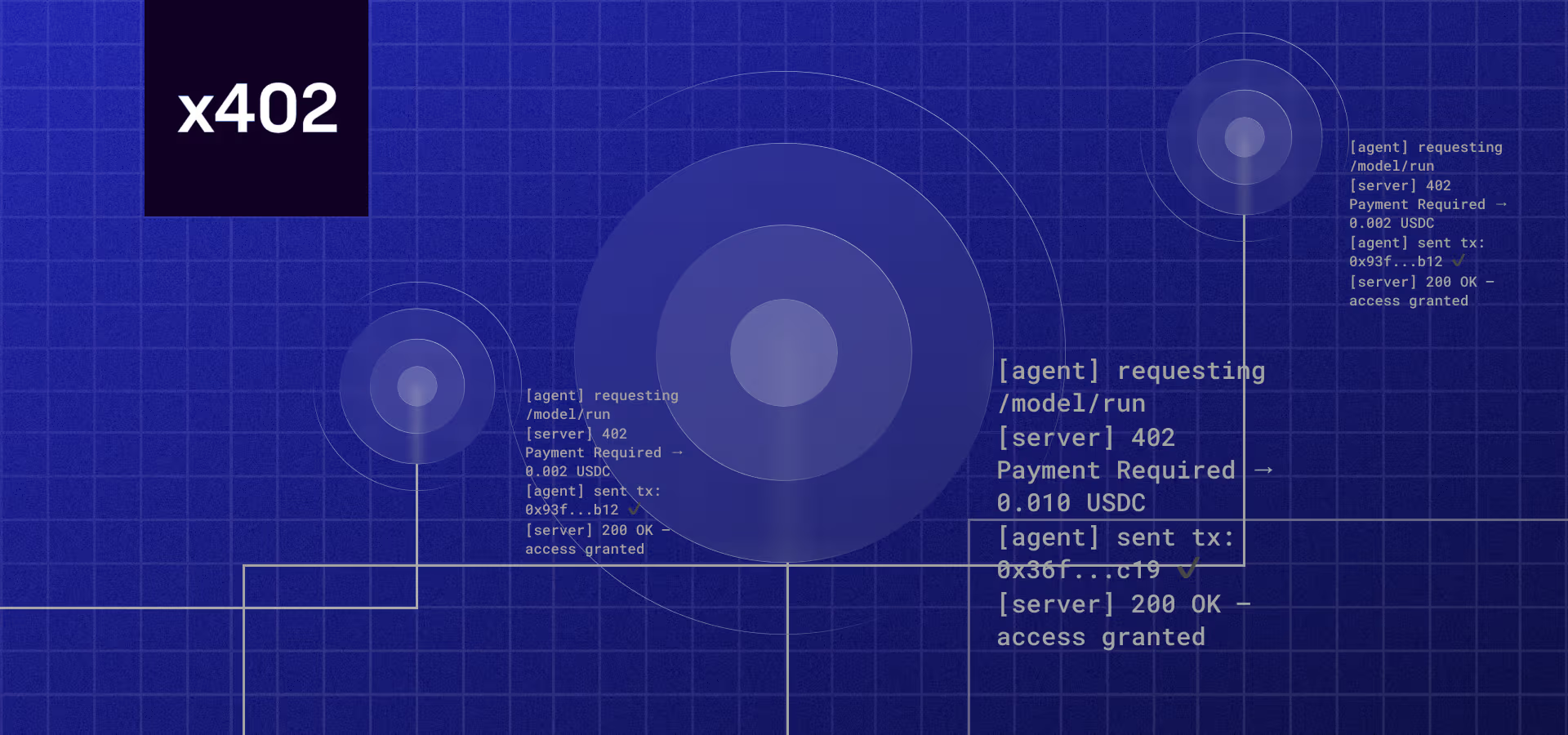
Define clear fallback behaviors when payments fail or expire. Instead of generic 500 errors, return specific HTTP statuses that prompt the client to retry or refresh their payment credentials, keeping the user experience smooth.
Use testnet keys to simulate the full payment cycle. Verify that your endpoint correctly denies access to unpaid requests and grants it to paid ones before going live. This step prevents costly data leaks during launch.
No comments yet. Be the first to share your thoughts!