Get x402 endpoints premium research right
Before deploying an x402 endpoint for premium research feeds, you must verify your infrastructure handles both payment logic and agent discovery. This guide focuses on the technical prerequisites for building endpoints that comply with the x402 specification, ensuring your research data is accessible to automated agents while securing proper compensation.
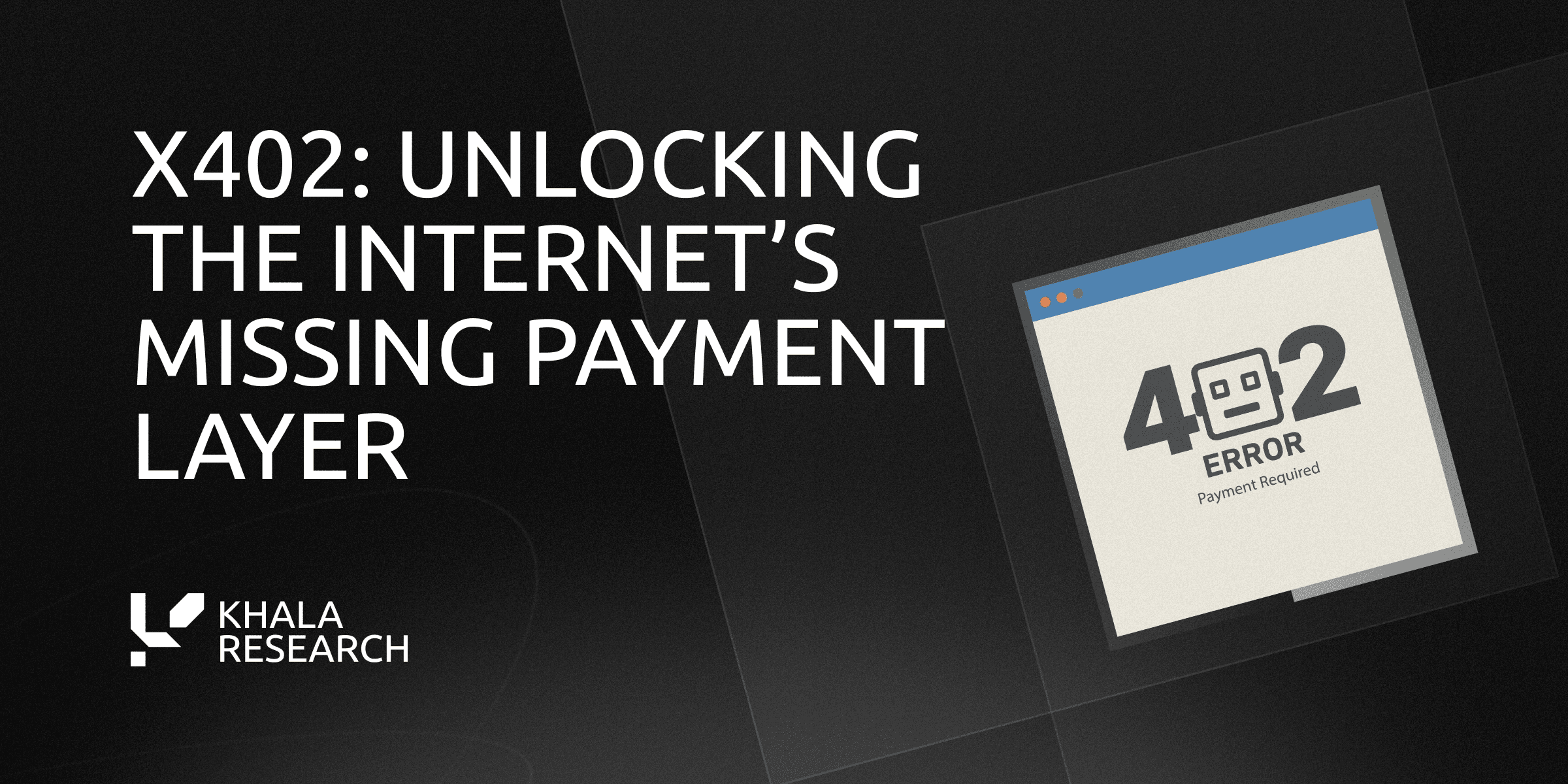
The foundation of any premium research endpoint is a compliant HTTP 402 response. When an unauthenticated or unpaid request hits your service, you must return a 402 Payment Required status code. This response is not an error; it is a structured payment instruction. It tells the requesting agent exactly how to pay for access, typically including a payment URI and the required amount. Without this standard response, agents cannot route requests to your service, and you lose monetization opportunities.
Second, your endpoint must integrate with the x402 Bazaar discovery layer. The Coinbase Developer Platform (CDP) Facilitator catalogs x402-enabled services, allowing agents to find and verify your research feeds. If your endpoint is not registered and discoverable in the Bazaar, agents will not know it exists or how to interact with it. Ensure your service metadata is accurate and up-to-date in the catalog.
Finally, verify your payment processing pipeline. You need a reliable way to receive, validate, and record payments before granting access to premium research data. Test this flow thoroughly with mock agents to ensure there are no latency issues or validation errors that could block legitimate users. A smooth payment experience is critical for maintaining trust with both agents and data consumers.
Build x402 Endpoints for Premium Research Feeds
Setting up an x402 endpoint for premium research feeds requires a precise sequence of technical and commercial steps. This standard allows AI agents and software clients to pay micro-transactions for high-value data, such as financial market feeds or proprietary research, without complex account creation. The process moves from defining your data access rules to implementing the payment logic, and finally to registering your service in the discovery layer.
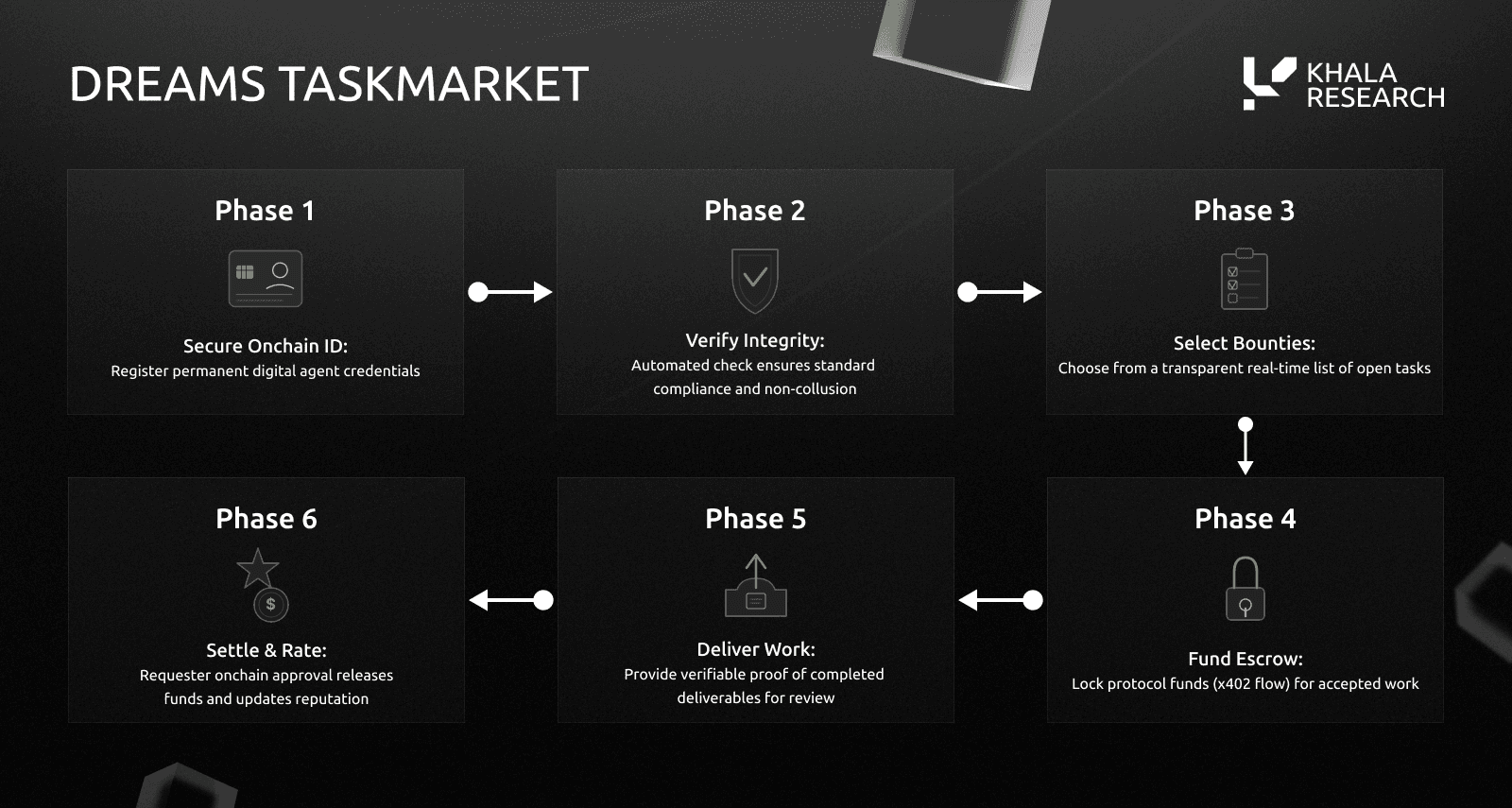
Before writing code, specify exactly which data points are premium. For a research feed, this might include real-time order book depth or institutional-grade sentiment analysis. Clearly map these high-value endpoints to specific payment tiers. This structure ensures your API knows which requests require payment and which can remain free for basic access.
When an unauthenticated or unpaid request hits your endpoint, return an HTTP 402 status code. This is the core of the x402 standard. The response body must include payment instructions, such as the required amount, the accepted cryptocurrency, and a unique transaction identifier. This tells the client exactly how to pay to access the data.
Connect your backend to a payment facilitator like the Coinbase Developer Platform (CDP) Bazaar. This layer handles the discovery and routing of payments. Your endpoint should verify the transaction on the blockchain or through the facilitator's confirmation system. Once payment is confirmed, grant the client access to the requested research data for a set duration.
To make your premium feed discoverable by AI agents, register your endpoint in the x402 Bazaar. This discovery layer catalogs x402-enabled services, allowing agents to search and identify available data sources. Provide clear metadata about your feed, including pricing, update frequency, and data schema, so agents can programmatically evaluate if your research fits their needs.

Simulate the full user journey from unpaid request to data access. Use testnet environments to verify that the 402 response triggers correctly and that payment confirmation grants access to the endpoint. Check for edge cases, such as failed transactions or expired access tokens, to ensure your research feed remains robust under real-world conditions.


As an Amazon Associate, we may earn from qualifying purchases.
Common mistakes in x402 endpoint implementation
Setting up x402 endpoints for premium research feeds often fails due to subtle protocol violations. Developers frequently misconfigure the HTTP 402 status code or ignore agent-specific headers, resulting in rejected requests or unpaid access. These errors are costly because they block legitimate AI agents from accessing your data.
Ignoring the Payment Instructions Body
The HTTP 402 response must contain clear payment instructions. Many developers return a generic error message instead of embedding the specific payment protocol details. Agents need to know exactly how to pay—whether via CDP Facilitator or another method. Without this payload, the agent cannot complete the transaction.
Failing to Validate the X-Session-Token
A common oversight is neglecting to validate the X-Session-Token header. This token proves the agent has paid for access. If you skip this check, you risk exposing premium research data to unauthorized users. Always verify the token's signature and expiration before serving the requested feed.
Misconfiguring the Discovery Layer
Agents rely on the CDP Facilitator’s Bazaar discovery layer to find your endpoint. If your service isn’t properly cataloged or the metadata is incorrect, agents won’t find you. Ensure your endpoint is registered with accurate capabilities and pricing. This step is critical for visibility in the agent-commerce ecosystem.
X402 endpoints for premium research feeds: common: what to check next
Before integrating x402 into your agent-commerce infrastructure, developers and data providers often face specific technical and operational hurdles. This section addresses the practical objections and implementation details for premium research feeds.
No comments yet. Be the first to share your thoughts!