Get x402 endpoints premium research right
Before you deploy a payment-gated API, you must establish the foundational infrastructure that allows machine-to-machine transactions to occur. x402 is not a plug-and-play library; it is a protocol layer that requires specific wallet connectivity and payment facilitators to function.
First, configure your development environment with a compatible wallet provider. Most implementations rely on EVM-compatible wallets to sign the payment proofs required by the x402 standard. Ensure your backend can generate and verify these cryptographic signatures before writing a single line of business logic.
Next, select a payment facilitator. Services like Thirdweb’s x402 facilitator handle the complex routing of stablecoin payments, such as USDC, between the agent and your server. This abstraction layer saves you from building custom smart contract interactions for every transaction type.
Finally, define your access control logic. Your API must check for a valid X-Auth header containing the payment proof. If the proof is missing or invalid, the server should return a 402 Payment Required status code, signaling the agent to process the payment before retrying.
Work through the steps
Setting up X402 endpoints for premium research feeds requires a structured approach to ensure your API handles payments and data delivery without friction. This process moves from environment preparation to live testing, ensuring your infrastructure can accept USDC payments via stablecoins while serving high-value data.
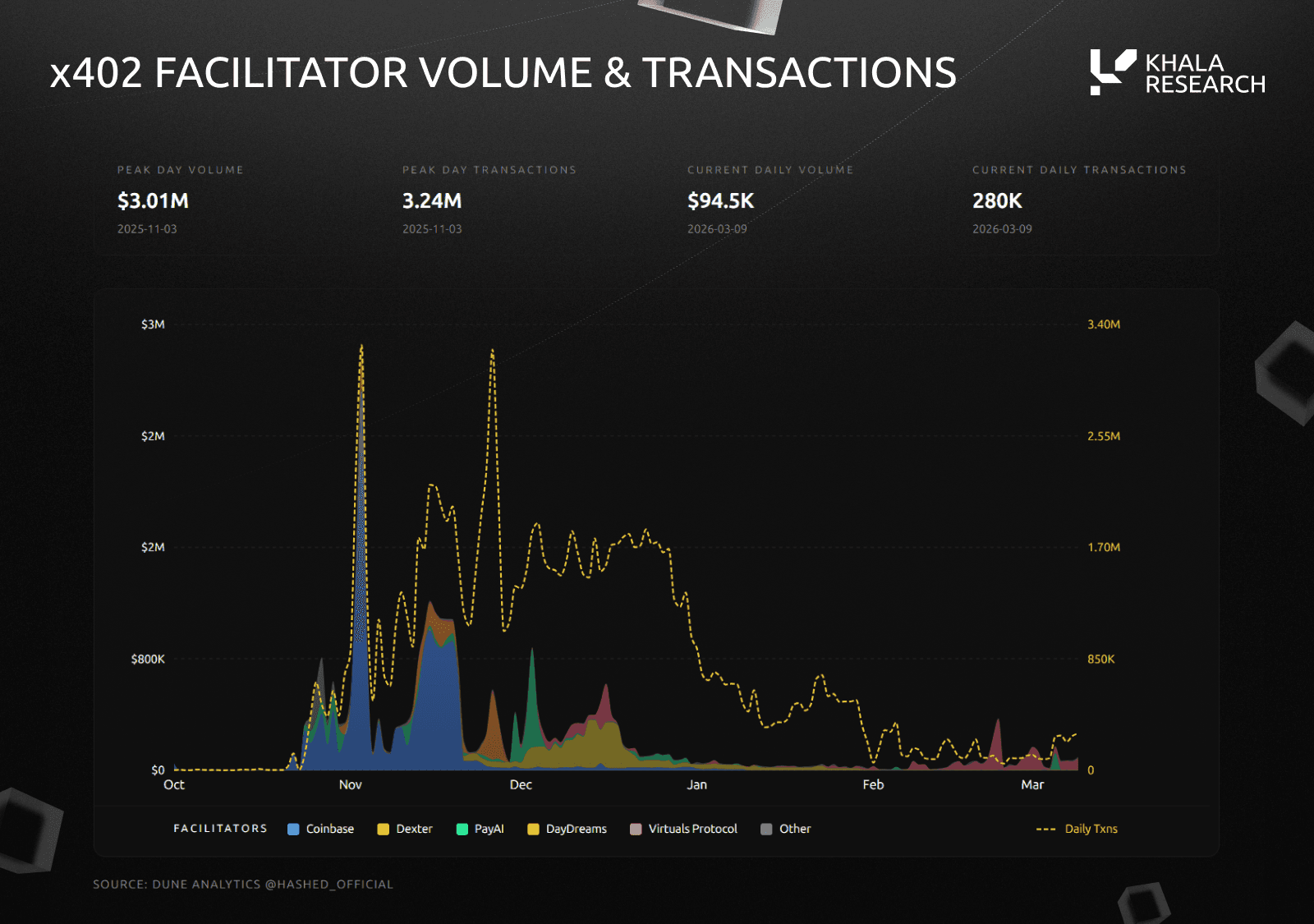
Begin by initializing your project with the necessary SDKs. If you are using Next.js, install the @thirdweb-dev/contracts and @thirdweb-dev/sdk packages. You will also need a wallet provider like MetaMask or a browser extension that supports Ethereum-compatible chains. Ensure your environment variables are set with your Thirdweb client ID and secret key to authenticate requests. This foundation prevents authentication errors during the payment flow.
The core of X402 is the facilitator, a smart contract that escrows payments and releases access. Deploy the facilitator contract on your chosen testnet or mainnet. Write a backend function that listens for payment events from this contract. When a user pays, the facilitator triggers a webhook or event listener that verifies the transaction hash. This step is critical for linking the financial transaction to the data access permission.
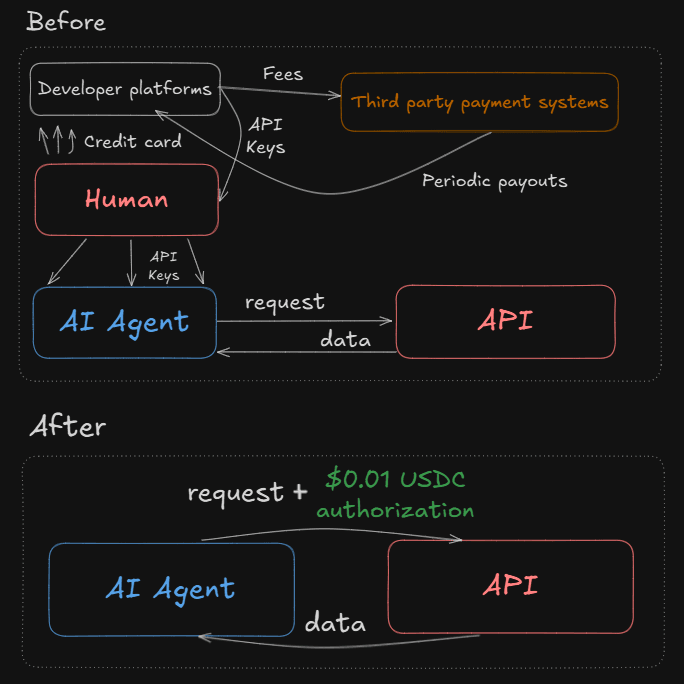
Create your API route (e.g., /api/research-feed). This endpoint must first check for a valid payment token or session ID in the request headers. If the user has not paid, return a 402 Payment Required status with a link to the payment page. If payment is verified, fetch the premium data from your database and return it as JSON. Ensure your rate limiting is tied to the payment status to prevent abuse from non-paying users.
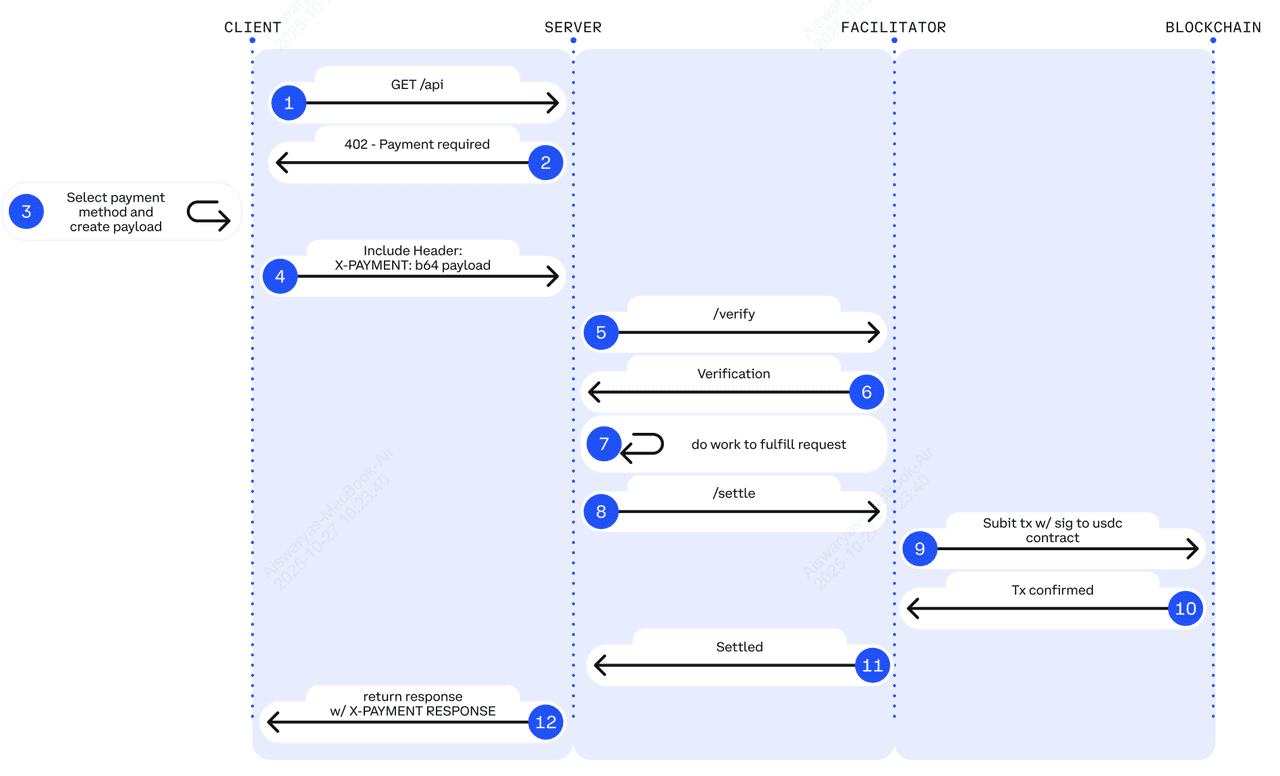
Use a testnet faucet to get test USDC. Simulate a user journey: initiate the payment, wait for the facilitator to confirm, and then call your API endpoint. Verify that the data is only delivered after the payment is recorded on-chain. Check the logs to ensure no race conditions occur between the payment confirmation and the API response. This proof check confirms your infrastructure is ready for production.
-
Install Thirdweb SDK and configure environment variables
-
Deploy X402 facilitator contract on target chain
-
Implement payment verification middleware in API
-
Test payment flow with testnet USDC
-
Verify data delivery only after confirmed payment
Fix common mistakes
Even with a robust X402 facilitator, implementation errors can break revenue streams or leave endpoints vulnerable. Most failures stem from misconfiguring the payment flow rather than the API logic itself. Addressing these pitfalls early ensures your premium research feeds remain accessible to paying agents while blocking free riders.
Ignoring payment confirmation latency
Agents may send a transaction hash before the blockchain network confirms the block. If your endpoint accepts the request immediately, you risk serving data before the payment is irreversible. Always implement a short confirmation delay or use a facilitator that handles webhook-based confirmation. This prevents race conditions where an agent receives the response but the transaction later fails or is reversed.
Hardcoding API keys in client-side code
When integrating X402 with frontend frameworks like Next.js, developers often place API keys directly in client-side components. This exposes your secret credentials to anyone inspecting the network tab. Instead, route all X402 payment verification through a server-side handler or middleware. Keep your private keys and database connection strings strictly on the backend to maintain security integrity.
Failing to handle invalid token responses
Not all stablecoins are created equal, and some may have transfer restrictions or lower liquidity. If your endpoint rejects a payment because the token is unsupported, the agent needs a clear error message to retry with a different currency. Return specific HTTP 400-level errors with details about acceptable tokens rather than a generic 500 error. This allows agent software to automatically switch to a supported asset like USDC without manual intervention.
X402 endpoints for premium research feeds: frequently asked: what to check next
Before integrating x402 into your data infrastructure, it is normal to have questions about compatibility, cost, and automation. The following answers address the most common technical and operational objections readers raise when evaluating API monetization.
Integrating x402 is not just a payment change; it is a shift in how your API interacts with autonomous software. Start with a testnet environment to ensure your agents can handle the 402 flow correctly before moving to mainnet.
No comments yet. Be the first to share your thoughts!