X402 endpoints premium research limits to account for
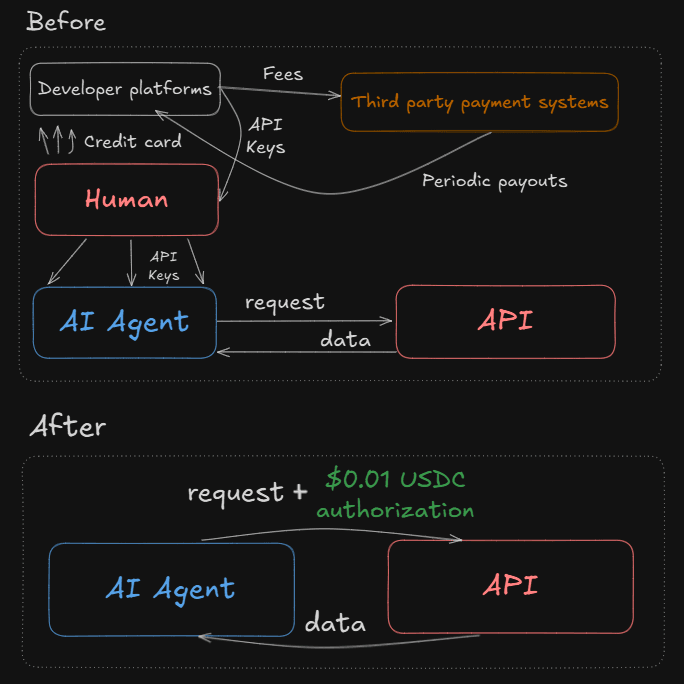
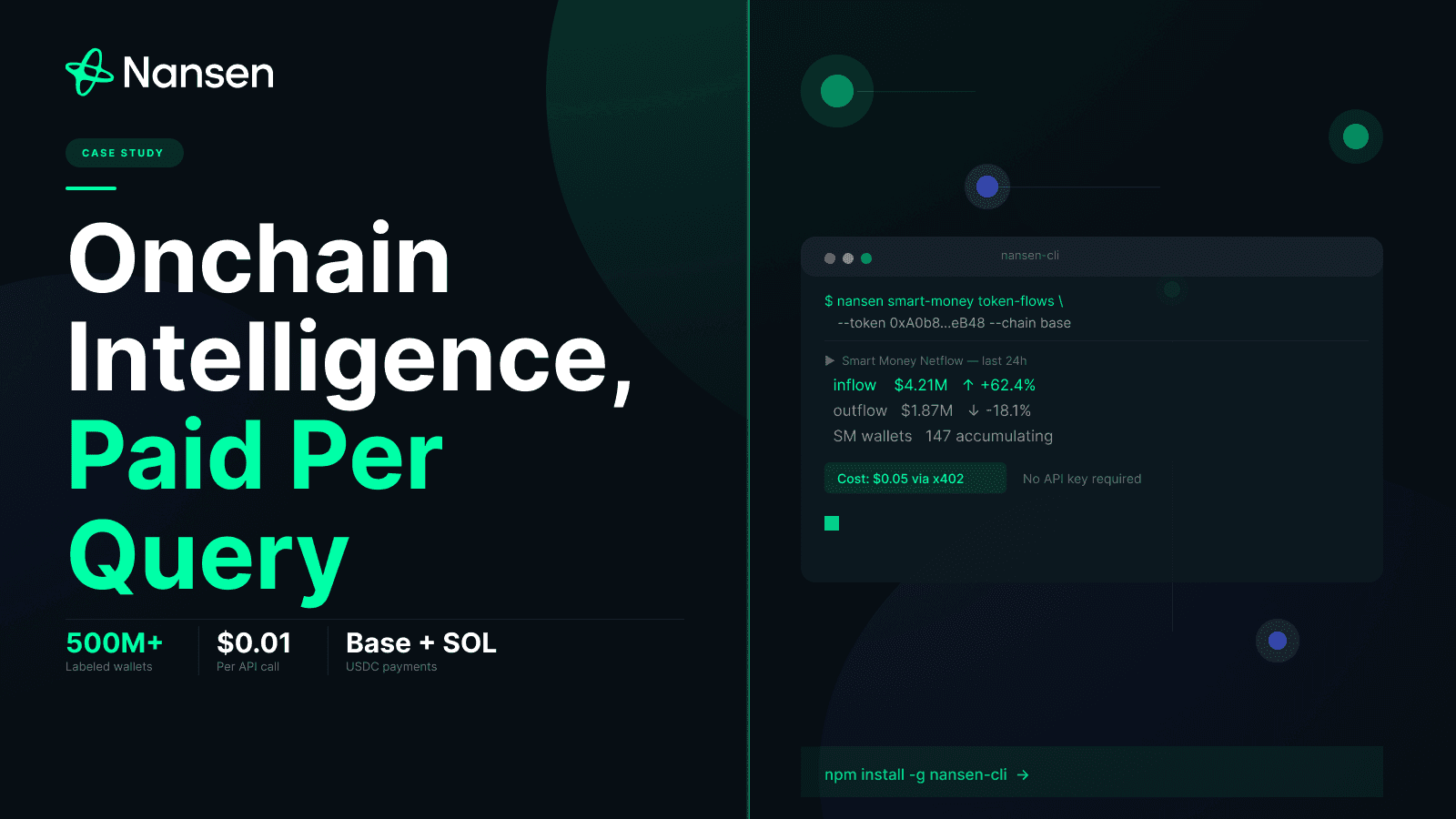
The x402 standard shifts premium research feeds from opaque paywalls to machine-readable payment protocols. When an AI agent or developer requests data, the endpoint returns a 402 Payment Required status alongside a clear payment instruction. This constraint forces infrastructure to handle authentication and billing in a single, standardized response rather than relying on fragmented API key checks.
How the constraint works
The process begins when a request hits an unauthenticated endpoint. Instead of a generic error, the server returns HTTP 402 with a Paywall header or JSON body containing payment details. This allows automated clients to parse the requirement and execute a transaction. The CDP Bazaar discovery layer then helps agents find these x402-enabled services, ensuring they can locate and pay for data sources without manual intervention.
Common implementation mistakes
Developers often treat 402 as a simple block, forgetting to include the necessary payment metadata. Without clear instructions in the response body, automated agents cannot proceed. Additionally, failing to verify payment status before releasing data creates a security gap where users might access premium feeds without completing the transaction.
Proof checks
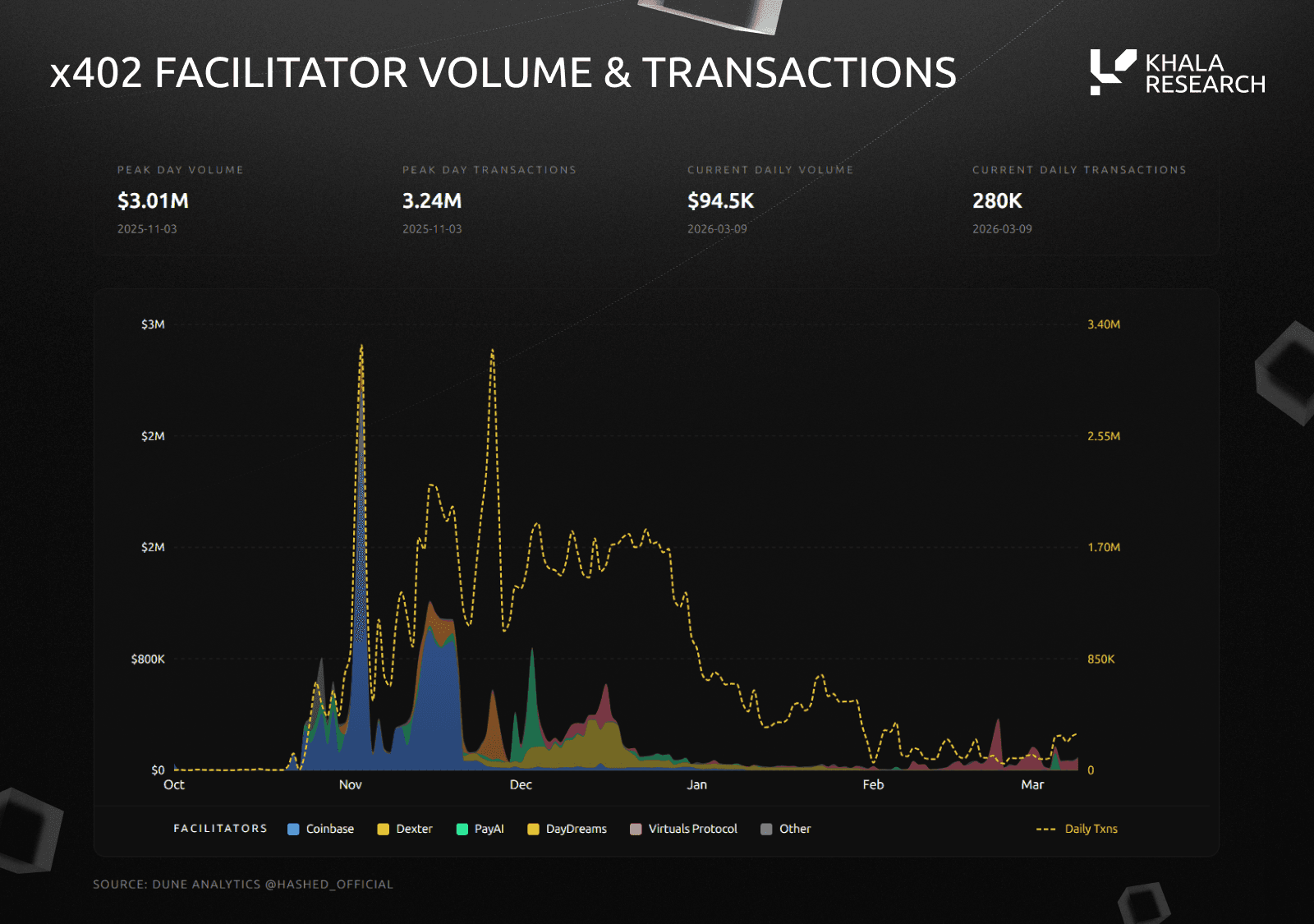
Always verify that your endpoint returns the correct status code and includes valid payment instructions. Test with an automated agent to ensure it can parse and execute the payment flow. Use a TechnicalChart to monitor transaction volumes and latency, ensuring the payment process does not bottleneck data delivery.
X402 endpoints premium research choices that change the plan
Choosing the right x402 endpoint structure depends on balancing developer experience, payment friction, and data freshness. Premium research feeds require high-availability infrastructure, but the integration model varies significantly based on whether you prioritize seamless API consumption or strict access control. The following comparison breaks down the concrete factors to evaluate when designing or selecting an endpoint.
| Factor | Standard x402 | CDP Facilitator | Discovery Layer |
|---|---|---|---|
| Integration Effort | Low: Direct HTTP 402 responses | Medium: Requires SDK integration | High: Complex cataloging logic |
| Payment Friction | High: Manual wallet interaction | Low: Automated USDC handling | Medium: Agent-mediated payments |
| Data Freshness | Real-time streaming | Batched or real-time | Cached or real-time |
| Discovery & Search | None: Direct URL access | Limited: Facilitator registry | Full: CDP Bazaar indexing |
| Developer Experience | Manual error handling | Streamlined: Standardized flows | Complex: Multi-step validation |
The tradeoff between control and convenience is central to this decision. Standard x402 endpoints give you full control over the payment flow but require users to manage their own wallets and transactions, which can deter casual researchers. In contrast, using the CDP Facilitator abstracts away much of the complexity, allowing for smoother transactions via stablecoins like USDC, though it introduces a dependency on the facilitator’s uptime and logic.
For platforms aiming to scale, the Bazaar discovery layer offers the most robust solution for visibility, allowing AI agents and developers to find and purchase access to your research feeds automatically. However, this comes at the cost of increased development overhead and potential latency due to the additional validation steps. Evaluate your target audience: if they are technical developers, the facilitator or standard approach may suffice; if you are targeting institutional or automated systems, the Bazaar integration provides the necessary infrastructure for seamless, scalable access.
Choose the next step
Turning research into a decision framework requires moving from abstract market signals to concrete operational steps. For X402 endpoints, this means building a system that handles payment verification and data delivery without friction. The goal is to create a reliable infrastructure that supports premium research feeds while ensuring compliance with the X402 standard.
Verify endpoint compliance
Start by ensuring your API returns a proper HTTP 402 status code when payment is required. This status signals to clients that access is restricted until a transaction is completed. Include clear payment instructions in the response headers, specifying the accepted currency and the method for completing the transaction. This step is critical for establishing trust with buyers who need predictable behavior from your endpoints.
Integrate discovery layers
Make your endpoint discoverable through established marketplaces like the X402 Bazaar. This discovery layer allows AI agents and developers to find your services through the CDP Facilitator. By registering your endpoint, you increase visibility and reduce the friction for potential clients who are searching for specific research data. Ensure your metadata accurately reflects the type of data offered and the pricing model.
Implement robust payment handling
Set up a secure payment gateway that can handle microtransactions efficiently. The payment process should be seamless, allowing clients to pay with minimal steps. Consider using stablecoins or other digital assets that align with the X402 protocol to reduce transaction costs and settlement times. Test the payment flow thoroughly to ensure it handles edge cases like failed transactions or network delays gracefully.
Monitor and adjust
Once your endpoint is live, monitor its performance and usage patterns. Track metrics such as request volume, payment success rates, and client retention. Use this data to adjust your pricing strategy or improve the endpoint's functionality. Regularly review the X402 standard updates to ensure your implementation remains compliant with the latest specifications.
Ensure your API returns a 402 status code with clear payment instructions when unauthenticated requests hit your premium research endpoint. This is the foundational step for X402 compliance.
List your endpoint on the X402 Bazaar via the CDP Facilitator. This makes your service discoverable to AI agents and developers searching for premium research data.
Set up a secure payment processor that handles microtransactions efficiently. Support stablecoins or other X402-compatible assets to reduce friction for buyers.
Track request volume, payment success rates, and client retention. Use this data to refine your pricing and ensure ongoing compliance with X402 standards.


As an Amazon Associate, we may earn from qualifying purchases.
Watchouts for X402 Endpoint Implementation
The shift from HTTP 401/403 to 402 Paywall signals is creating confusion in premium research feed infrastructure. While the X402 standard offers a clear path for micropayments, several common implementation mistakes lead to broken integrations and lost revenue. This section highlights the weak options and misleading claims that can derail your deployment.
The "Soft 402" Mistake
Many developers return a 402 status code with a generic error message or empty body. This is a critical error. The X402 specification requires the response to include specific payment instructions, such as a Link header pointing to a payment facilitator or a WWW-Authenticate header with payment details. Without these headers, AI agents and compliant clients cannot parse the payment requirement, resulting in failed requests rather than successful transactions. Always verify your headers against the official spec.
Misleading "Free Tier" Claims
Some providers advertise "free access" while implementing 402 endpoints. This is often a misleading claim. A true free tier should return 200 OK without any payment headers. If an endpoint returns 402, it is enforcing a paywall, regardless of marketing language. Buyers should test endpoints with a dummy payment credential to confirm whether access is genuinely free or if a hidden payment flow is triggered. Transparency in header behavior is essential for trust.
Ignoring the Discovery Layer
A common mistake is deploying 402 endpoints without integrating with a discovery layer like the CDP Bazaar. Without registration in a discovery service, your endpoint becomes invisible to AI agents and automated buyers who rely on cataloged services. This isolation limits your reach to manual API consumers only. Ensure your endpoint is properly cataloged to maximize visibility and automated transaction potential.
No comments yet. Be the first to share your thoughts!