X402 endpoints premium research limits to account for
Premium research feeds demand more than just access; they require a mechanism that aligns payment with data quality. x402 endpoints address this by embedding payment logic directly into the API protocol, turning every request into a micro-transaction. This constraint ensures that high-value data, such as institutional-grade market feeds, is gated by immediate, on-chain settlement rather than traditional subscription models.
The primary benefit is the elimination of friction in agent commerce infrastructure. When an AI agent requests data, the x402 facilitator handles the USDC payment and token validation in a single step. This allows for granular, per-call pricing models that are impossible with flat-rate API keys. For premium research, this means you pay only for the specific data points or latency tiers you consume.
However, implementing x402 requires careful architectural planning. The overhead of on-chain transactions can introduce latency if not managed correctly. Developers must integrate a facilitator, such as Thirdweb's x402 facilitator, to batch or optimize these micro-payments. Without this layer, the transaction costs could outweigh the value of the data itself, making the model economically unviable for low-volume queries.
X402 endpoints premium research choices that change the plan
When selecting an x402 endpoint for agent commerce, the decision hinges on balancing data freshness against transaction costs. Premium research feeds require low-latency responses and high reliability, but the on-chain settlement layer introduces variable latency and gas fees that can erode margins on micro-transactions.
The following comparison breaks down the concrete tradeoffs between three common endpoint architectures. Evaluate these factors against your specific agent workflow to determine the most cost-effective integration.
Direct API integrations offer the lowest latency, making them ideal for real-time market data feeds where every millisecond counts. However, the fixed subscription model can be inefficient for agents that only occasionally need deep-dive research. The cost per query becomes prohibitive if the agent is idle for long periods.
x402 gated endpoints shift the cost to a per-call basis, using stablecoins like USDC for settlement. This model aligns costs with usage, but the additional overhead of blockchain confirmation can introduce latency. For high-value, low-volume queries, this tradeoff is often acceptable, as the marginal cost of a single premium insight justifies the slight delay.
Batch x402 endpoints optimize for bulk historical analysis. By aggregating multiple queries into a single transaction, you reduce the per-call gas overhead. This approach is best for agents that need to process large datasets, such as competitor analysis or sales signal filtering, where speed is less critical than cost efficiency.
How to choose your next x402 endpoint step
Premium research feeds require reliable data delivery and instant payment settlement. The x402 standard enables agents to pay for API access using stablecoins like USDC, removing the friction of manual invoicing or credit checks. To deploy this infrastructure, you must move beyond theory and execute specific integration steps.
Follow this decision framework to select the right endpoint strategy for your agent commerce workflow.
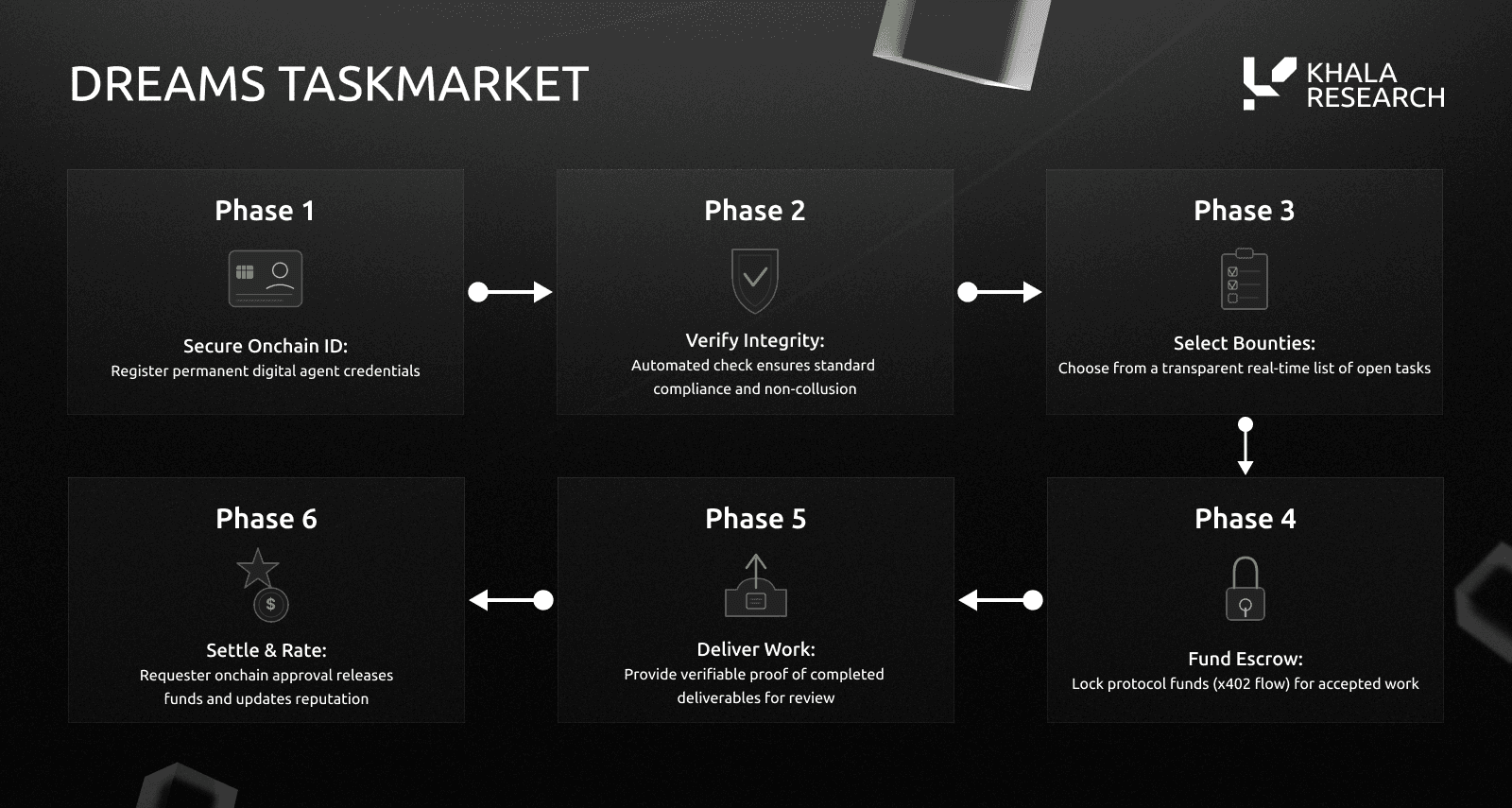
Before integrating, confirm that your target research feed supports the x402 standard. Not all premium APIs have upgraded their gateways. Check the provider’s documentation for native x402 support or look for third-party facilitators like Thirdweb that bridge legacy APIs to the new payment layer. Incompatible endpoints will cause transaction failures and data loss.
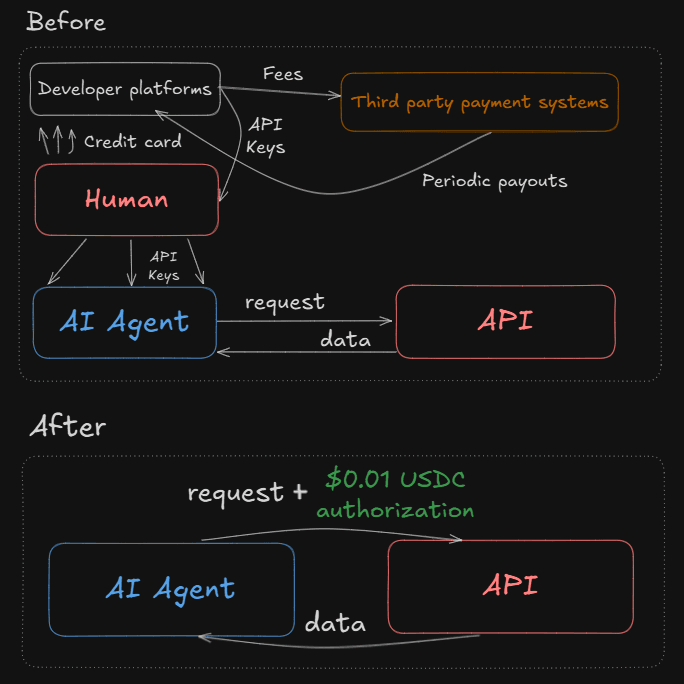
Set up a facilitator to handle the micro-transaction logic. Most developers use Next.js with Thirdweb’s x402 facilitator to manage USDC payments. This layer abstracts the blockchain complexity, allowing your agent to request data and automatically submit payment in the background. Ensure your wallet has sufficient USDC balance and that the facilitator is connected to the correct network (e.g., Base or Ethereum L2).

Once the facilitator is live, configure your API routes to check for valid x402 tokens before returning data. The endpoint should reject requests without a valid payment signature. This ensures that only paying agents access the premium research feed. Test this flow with a small test transaction to verify that the data payload is released immediately upon payment confirmation.
Track gas fees and facilitator costs against the value of the research data. If transaction costs exceed the data value, the model becomes unsustainable. Use Layer 2 networks to minimize fees. Adjust your pricing strategy or bundle data requests to ensure the economic model remains viable for high-frequency agent interactions.
-
Confirm x402 support on target API
-
Deploy facilitator with USDC wallet
-
Implement token-gated response logic
-
Monitor gas fees vs. data value
By following these steps, you build a robust, automated payment layer for your research infrastructure. This approach ensures that your agents can access premium data without manual intervention, scaling your commerce model efficiently.
Spotting Weak x402 Endpoint Claims
When evaluating x402 endpoints for premium research feeds, look for concrete integration details rather than vague promises. Misleading claims often hide behind generic "payment-gated" language without specifying the underlying infrastructure. A robust endpoint must clearly define its payment facilitator, supported stablecoins, and error-handling protocols.
Common Mistakes and Fixes
Ignoring Facilitator Dependencies Many guides suggest building from scratch. In reality, relying on established facilitators like Thirdweb’s x402 facilitator reduces friction and security risks. Verify that your endpoint explicitly references a known facilitator rather than a custom, untested payment layer.
Vague Payment Methods Premium feeds require predictable settlement. If an endpoint claims to accept "crypto" without specifying stablecoins like USDC, it introduces volatility risk for automated agent workflows. Ensure the documentation lists exact token standards and contract addresses.
Missing Error Responses Weak endpoints fail silently when payments are pending or rejected. A proper x402 implementation must return clear HTTP status codes and error messages tied to payment states. Test this by simulating a failed transaction to see if your agent receives actionable feedback.
Proof Checks
Before integrating, audit the endpoint’s source code or official documentation. Look for references to the x402 specification and real-world examples. If the provider cannot demonstrate a working payment flow with a facilitator, treat it as a high-risk option.
No comments yet. Be the first to share your thoughts!