Get x402 endpoints premium research right
Before deploying an x402 endpoint for premium research feeds, you must align your infrastructure with the protocol’s specific payment requirements. Unlike traditional API keys or OAuth tokens, x402 relies on real-time micropayments via stablecoins. Skipping these prerequisites results in failed transactions or exposed data.
1. Verify Stablecoin Support
Ensure your backend can accept USDC or other supported stablecoins on the required chain. The endpoint must process payments before delivering data. If your server cannot verify on-chain transactions, the premium feed will remain inaccessible to paying users.
2. Configure HTTP 402 Responses
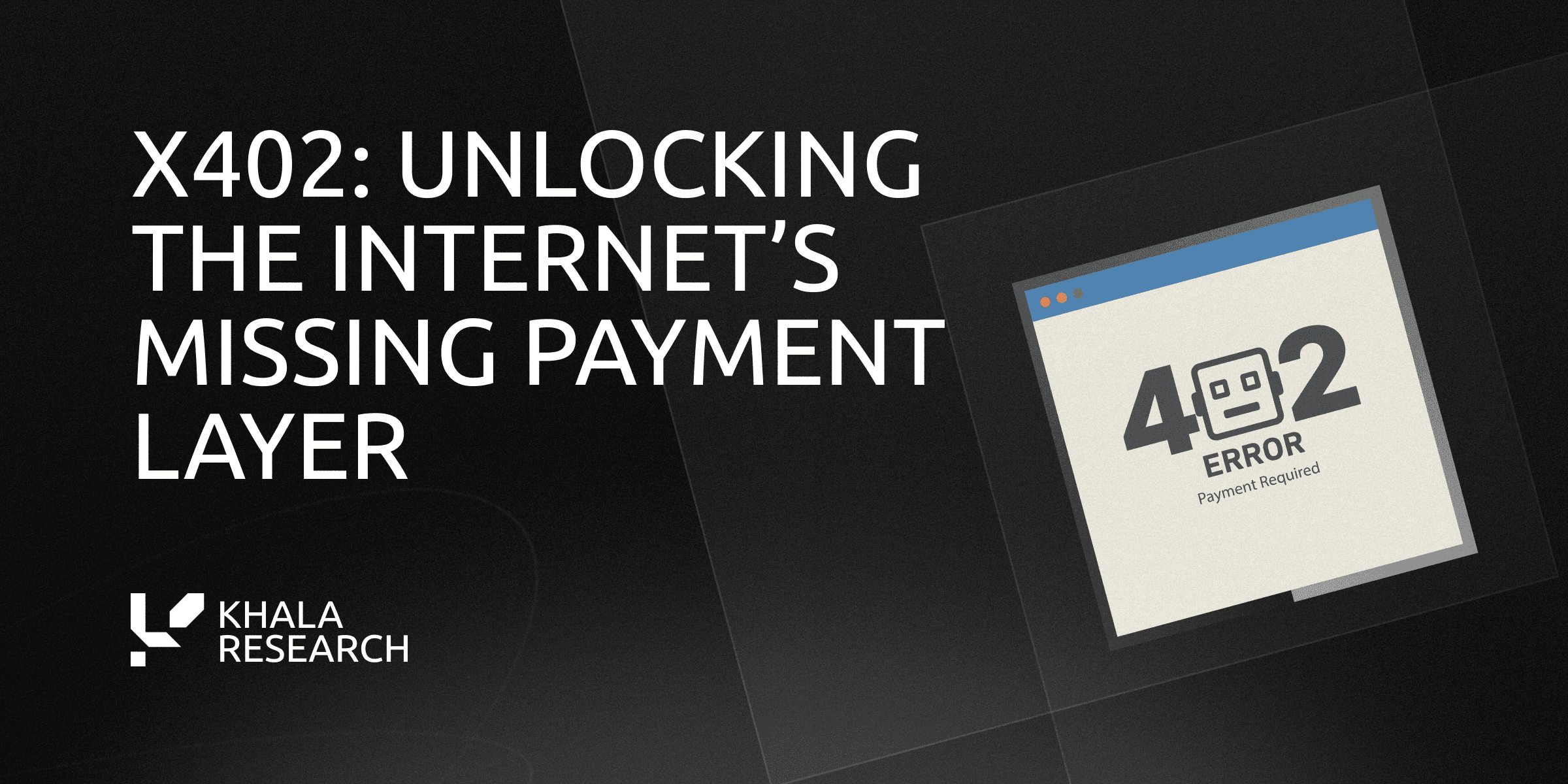
Your API must return a 402 Payment Required status code for unauthenticated requests. Include clear payment instructions in the response body. This tells the client exactly how much to pay and where to send it. Without this standard response, automated research tools cannot trigger the payment flow.
3. Implement Payment Verification
Do not trust client-side claims of payment. Verify the transaction on-chain before granting access. Use a reliable block explorer or oracle to confirm the payment matches the requested data price. This step prevents unauthorized access and ensures researchers only pay for verified data.
4. Test with a Facilitator
Use a facilitator like Thirdweb’s x402 facilitator to test the full flow. This ensures your endpoint correctly handles payment requests, verifies transactions, and delivers data. Testing prevents costly errors when your premium research feed goes live.
Work through the steps
to x402 Endpoints for Premium Research Feeds works best as a clear sequence: define the constraint, compare the realistic options, test the tradeoff, and choose the path with the fewest hidden costs. That order keeps the advice usable instead of decorative. After each step, pause long enough to check whether the recommendation still fits the reader's actual situation. If it depends on perfect timing, unusual access, or a best-case budget, include a simpler fallback.
Fix common mistakes
Even with a working payment facilitator, small configuration errors can break the x402 handshake or leave your premium research feed inaccessible. These mistakes often stem from treating the protocol like a standard API rather than a payment-gated interaction. Below are the most frequent pitfalls and how to resolve them.
Ignoring the 402 Payment Required status code
The core of x402 is the HTTP 402 response. When a client hits your endpoint without valid payment proof, you must return a 402 status code, not a 401 or 403. The 402 response body should contain clear payment instructions, including the amount, currency (usually USDC), and the wallet address or facilitator endpoint for payment.
If you return a generic 401 Unauthorized, the client doesn't know they need to pay. If you return a 403 Forbidden, they assume access is permanently denied. The 402 code signals a temporary block that can be lifted by payment. Ensure your server logic explicitly checks for the x-payment-proof header and falls back to 402 if it's missing or invalid.
Misconfiguring the Facilitator URL
x402 relies on a facilitator to handle the off-chain payment and verify the on-chain transaction. If your endpoint points to an incorrect or deprecated facilitator URL, the client cannot complete the payment flow. This is especially common when migrating from testnets to mainnet or switching between facilitator providers like Thirdweb or other compatible services.
Always verify the facilitator URL in your environment variables. Test the connection by attempting a payment flow in a sandbox environment before deploying to production. A mismatched facilitator URL will cause the client to hang or return a generic network error, making it difficult to diagnose the issue.
Failing to validate the Payment Proof
Receiving a payment proof is not enough; you must validate it. Common mistakes include accepting proofs without checking the transaction hash, verifying the amount paid, or ensuring the payment was sent to the correct address. Some implementations skip the on-chain verification step, relying solely on the facilitator's word, which can be risky if the facilitator is compromised or unreliable.
Always implement a verification step that checks the transaction against the blockchain. Confirm that the amount matches the requested fee and that the recipient address is yours. If the proof is invalid, return a 402 status code with an error message explaining why, so the client can retry with a correct payment.
Not handling Idempotency
Premium research feeds often involve high-value data or frequent requests. If a client retries a payment due to a network timeout, they might accidentally pay twice. Your endpoint should handle idempotency by tracking payment proofs or transaction hashes. If a proof has already been validated and the data delivered, return the data immediately without reprocessing the payment.
Implement a simple cache or database lookup to store valid transaction hashes for a short period. This prevents duplicate charges and ensures a smooth user experience. If a client sends a duplicate proof, respond with the original data or a confirmation that the payment was already processed.
X402 endpoints for premium research feeds: common: what to check next
Before committing infrastructure resources to x402 endpoints for premium research feeds, it is essential to clarify how the payment flow impacts latency, agent compatibility, and data security. The following questions address the most frequent technical objections and implementation hurdles.
Helpful gear
Use these product recommendations as a starting point, then choose the size, material, and price point that fit how you actually use the gear.


As an Amazon Associate, we may earn from qualifying purchases.
No comments yet. Be the first to share your thoughts!