X402 endpoints for premium research feeds
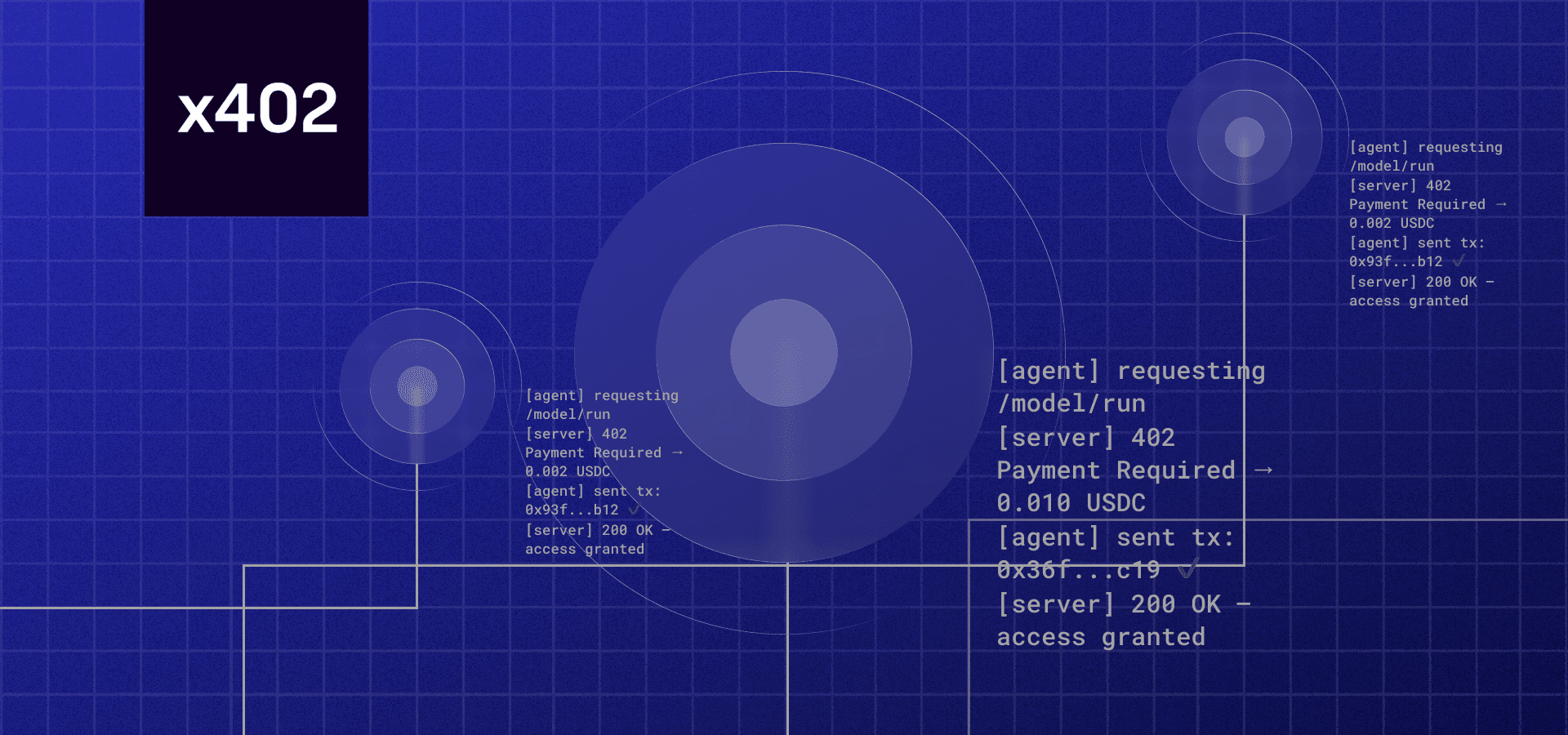
The x402 protocol turns API access into a pay-per-use model using stablecoins. For premium research feeds, this means endpoints no longer rely on static API keys or subscription quotas. Instead, they verify a micro-transaction before serving data.
This shift changes how you build infrastructure. Your endpoints must handle cryptographic signatures and validate on-chain payments in real time. If the payment fails, the request is rejected immediately. This removes the need for complex billing logic on your server.
You will need to integrate a facilitator, like Thirdweb’s x402 facilitator, to manage the flow. The facilitator accepts USDC payments and signals your server when a request is authorized. This keeps your code clean and your security tight.
The result is a feed that scales with usage. You pay only for the data you retrieve, and researchers pay only for what they consume. This model fits high-frequency trading or on-demand analytics where cost efficiency matters.
X402 endpoints premium research choices that change the plan
When selecting a premium research feed, the cost of the data is only the first line item. The infrastructure required to ingest, validate, and store that data often carries hidden complexity. You are not just buying information; you are buying a pipeline. A $500/month feed that requires custom middleware to normalize its schema may cost more in engineering hours than a $2,000/month feed that delivers clean, structured JSON.
Evaluate endpoints based on latency, data freshness, and schema stability. Low-latency feeds are critical for high-frequency strategies, while batch-oriented feeds suit fundamental analysis. The tradeoff often lies in how the provider handles schema changes. A stable schema reduces maintenance, while a flexible schema may require constant code updates but offers richer data.
The table below compares common premium research feed categories against these infrastructure factors. Use this to estimate the total cost of ownership, including engineering time and storage.
| Feed Type | Latency | Schema Stability | Eng. Overhead |
|---|---|---|---|
| Real-time Order Book | <10ms | High | High |
| Fundamental Data | Daily | Medium | Low |
| Alternative Sentiment | Hourly | Low | High |
| Historical Tick Data | N/A | High | Medium |
Before committing to a provider, request a sandbox environment. Test the endpoint under load to verify latency claims. Check the error rate and how quickly the provider resolves schema drift. A feed that drops packets or changes field names without notice will break your pipeline and cost you more than the subscription fee.
Choose the next step
x402 Endpoints for Premium Research Feeds works best as a clear sequence: define the constraint, compare the realistic options, test the tradeoff, and choose the path with the fewest hidden costs. That order keeps the advice usable instead of decorative. After each step, pause long enough to check whether the recommendation still fits the reader's actual situation. If it depends on perfect timing, unusual access, or a best-case budget, include a simpler fallback.
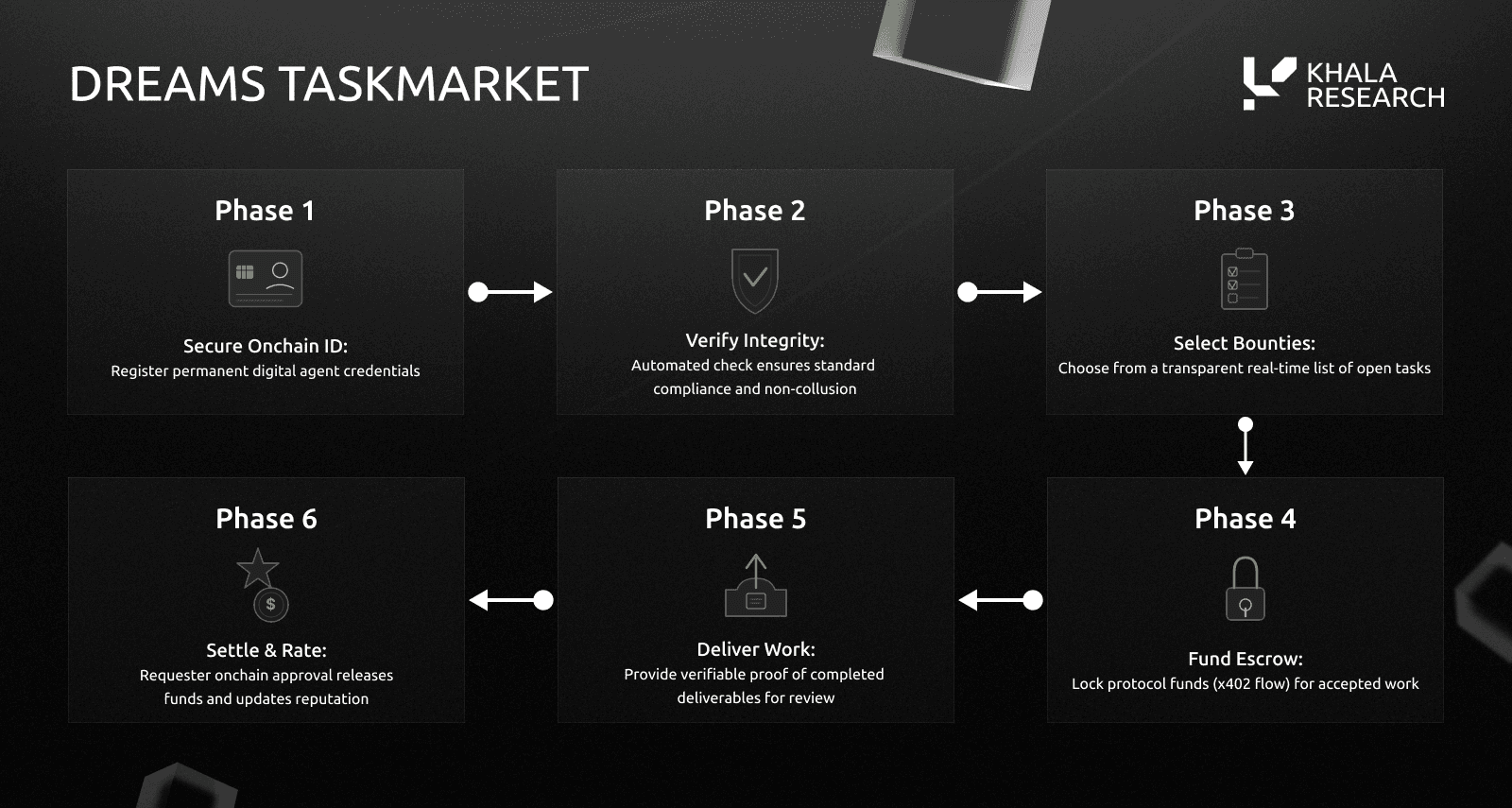
Spotting Weak x402 Endpoint Claims
When evaluating infrastructure for premium research feeds, many vendors conflate basic API access with true x402 compliance. The x402 standard requires specific cryptographic proofs and stablecoin settlement layers that generic payment gateways do not provide. Misleading claims often surface when providers advertise "crypto payments" without detailing the underlying facilitator architecture or token standards used.
The most common mistake is assuming any Web2-to-Web3 bridge satisfies the protocol. A valid x402 endpoint must handle token approvals and signature verification natively, typically using standards like USDC on supported chains. If a provider cannot demonstrate this integration, their endpoints likely lack the low-latency, trustless settlement required for real-time research data.
Verify any vendor by checking for official x402 documentation links and transparent technical specs. Look for clear explanations of how they manage fee aggregation and proof generation. Avoid services that rely on opaque third-party processors, as these introduce unnecessary friction and potential points of failure in your data pipeline.
X402 endpoints for premium research feeds: common: what to check next
Before integrating x402 into your premium research infrastructure, it helps to clarify how the protocol handles payments, latency, and compliance. These answers address the practical objections most data engineers and fund managers raise during the evaluation phase.
How does x402 handle payment verification for API requests?
The x402 protocol is HTTP-native, meaning it attaches payment credentials directly to the request header rather than relying on a separate session or account. When an AI agent or client calls your endpoint, it includes a signed transaction or proof of payment in the Authorization header. Your server validates this proof against the blockchain or the facilitator (such as Thirdweb’s x402 facilitator) before serving the data. This eliminates the need for manual approval or user accounts, enabling instant, machine-to-machine commerce with stablecoins like USDC.
What is the latency impact of on-chain verification?
Integrating x402 adds a small overhead for signature verification and blockchain confirmation. For most premium research feeds, this delay is measured in milliseconds, which is negligible compared to the time required to fetch and process complex datasets. However, if your feed requires ultra-low latency (sub-10ms), you may need to optimize your validation logic or use layer-2 solutions that finalize faster than mainnet Ethereum. Always benchmark your specific endpoint under load before going live.
Can I use x402 for recurring research subscriptions?
X402 is primarily designed for pay-per-use or one-time payment models. It does not natively support recurring billing logic like Stripe or PayPal. If you need to manage recurring subscriptions for your research feed, you will likely need to layer a separate identity or subscription management system on top of x402. For example, you could grant a one-time payment that unlocks a token or key valid for a set period, but the protocol itself does not handle automatic renewals.
Is x402 compliant with financial regulations for premium data?
The x402 protocol itself is a technical standard for payment facilitation and does not dictate compliance. However, because it often involves cryptocurrency transactions, you must ensure your implementation adheres to local financial regulations, including KYC (Know Your Customer) and AML (Anti-Money Laundering) requirements. If your premium research feeds are considered financial data, you may also need to comply with SEC or FCA guidelines. Consult legal counsel to determine if your specific data products and payment flows require additional licensing.
No comments yet. Be the first to share your thoughts!