x402 endpoints for premium research feeds
The core constraint for scaling x402 endpoints in premium research is balancing low-latency micro-transactions with high-value data delivery. When serving institutional-grade market analysis, every millisecond of API latency directly impacts the trader's ability to act on time-sensitive signals. You cannot afford to wait for blockchain confirmations before granting access to real-time data streams.
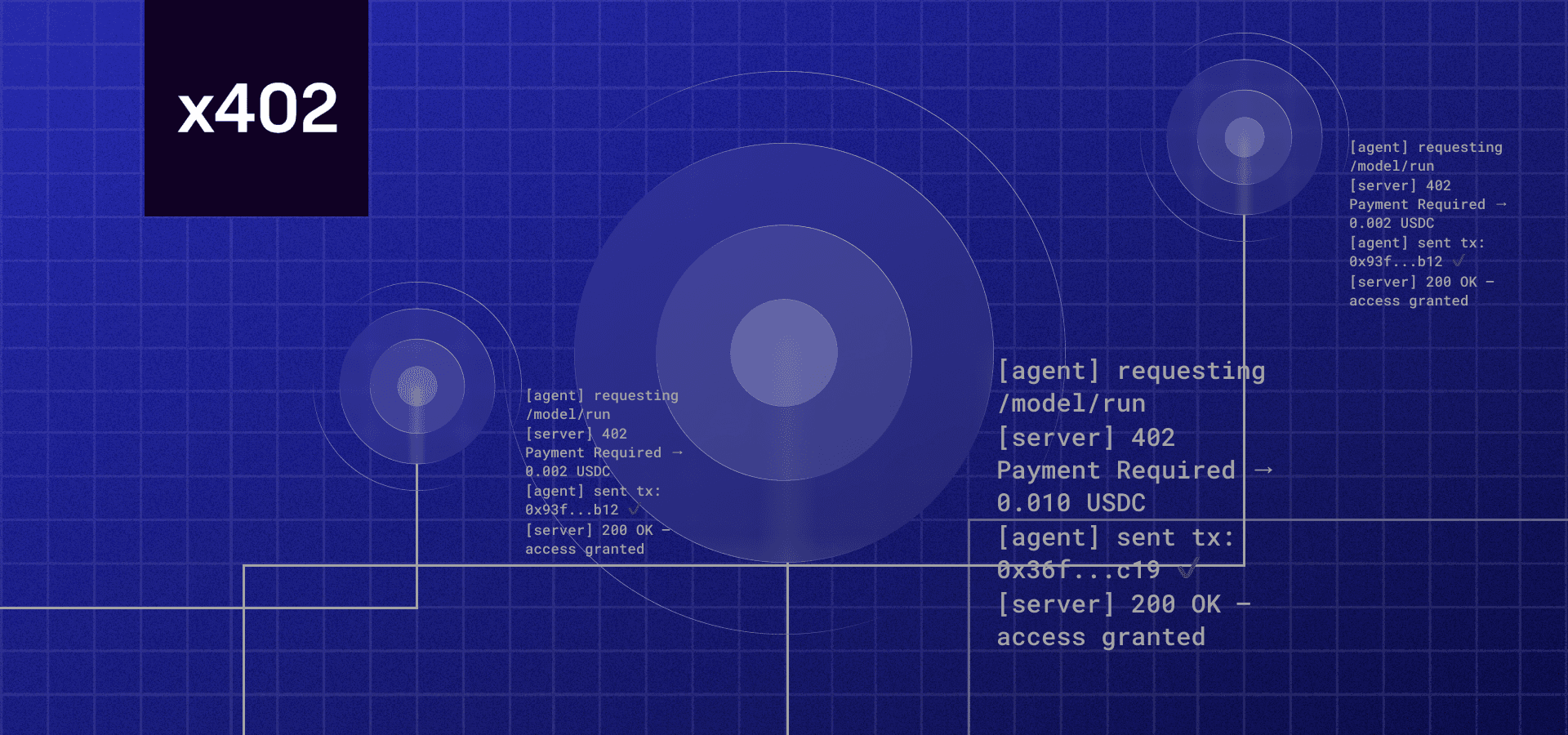
To solve this, you must implement a facilitator layer that handles the payment verification asynchronously. The x402 standard allows your endpoint to issue a payment request in the HTTP headers while simultaneously preparing the response payload. This means the client can settle the transaction in the background while the research data is already being transmitted. This separation of payment logic from data delivery is what makes the architecture scalable.
However, this approach introduces a specific risk: the "free ride" problem. If your endpoint serves the full research feed before the payment is confirmed, a malicious actor could simply drop the connection after receiving the data. To prevent this, you should structure your API to deliver data in chunks or require a small upfront deposit via a stablecoin like USDC. The x402 facilitator can then validate the transaction hash before releasing the complete, high-fidelity dataset. This ensures that only paying clients access the full depth of your premium research feeds without introducing significant friction for legitimate users.
X402 endpoints premium research choices that change the plan
2026 guide: Scaling x402 Endpoints for Premium Research Feeds with Micro-Transaction Infrastructure works best as a clear sequence: define the constraint, compare the realistic options, test the tradeoff, and choose the path with the fewest hidden costs. That order keeps the advice usable instead of decorative. After each step, pause long enough to check whether the recommendation still fits the reader's actual situation. If it depends on perfect timing, unusual access, or a best-case budget, include a simpler fallback.
| Factor | What to check | Why it matters |
|---|---|---|
| Fit | Match the option to the primary use case. | A good deal still fails if it does not fit the job. |
| Condition | Verify age, wear, and service history. | Hidden condition issues erase upfront savings. |
| Cost | Compare purchase price with likely upkeep. | The cheapest option is not always the lowest-cost option. |
Choose the Next Step for Your x402 Infrastructure
Scaling x402 endpoints for premium research feeds requires moving beyond simple proof-of-concept scripts. You need a decision framework that balances latency, cost, and reliability. The choice between self-hosted facilitators and managed gateways determines your operational overhead.
Evaluate Self-Hosted vs. Managed Facilitators
Self-hosting a facilitator like Thirdweb’s gives you full control over the payment flow and data privacy. This approach is ideal if your research data is highly sensitive and requires strict access control. However, it demands significant engineering resources to maintain node health and handle edge cases in transaction confirmation.
Managed gateways reduce infrastructure burden but introduce third-party trust assumptions. For premium feeds where uptime is critical, managed services often provide better SLAs. Weigh the cost of engineering time against the reliability premium of a managed solution.
Define Your Token and Settlement Layer
Not all stablecoins are equal for high-frequency micro-transactions. USDC on Base offers low fees and fast finality, making it suitable for sub-cent research queries. Ethereum mainnet L1 transactions are too expensive and slow for this use case. Polygon or Arbitrum are viable alternatives if your users are already on those networks.
Implement Rate Limiting and Quotas
Without strict rate limiting, your x402 endpoints are vulnerable to denial-of-service attacks or accidental API abuse. Set per-user quotas based on the subscription tier. For example, free tiers might get 10 queries per minute, while premium tiers get 100. This protects your infrastructure while ensuring paying customers get consistent access.
Test with Real-World Load
Simulate production traffic before going live. Use tools like k6 or Locust to generate concurrent requests against your x402 endpoints. Measure the time to first byte (TTFB) and the success rate of payment callbacks. If your facilitator drops connections under load, you need to scale your backend or switch to a more robust provider.
Verify Payment Confirmation Logic
Ensure your backend only serves data after on-chain confirmation. Relying on mempool transactions is risky for premium content. Implement a webhook listener for payment events and double-check the transaction hash on-chain before delivering the research feed. This prevents revenue leakage from failed or reverted transactions.
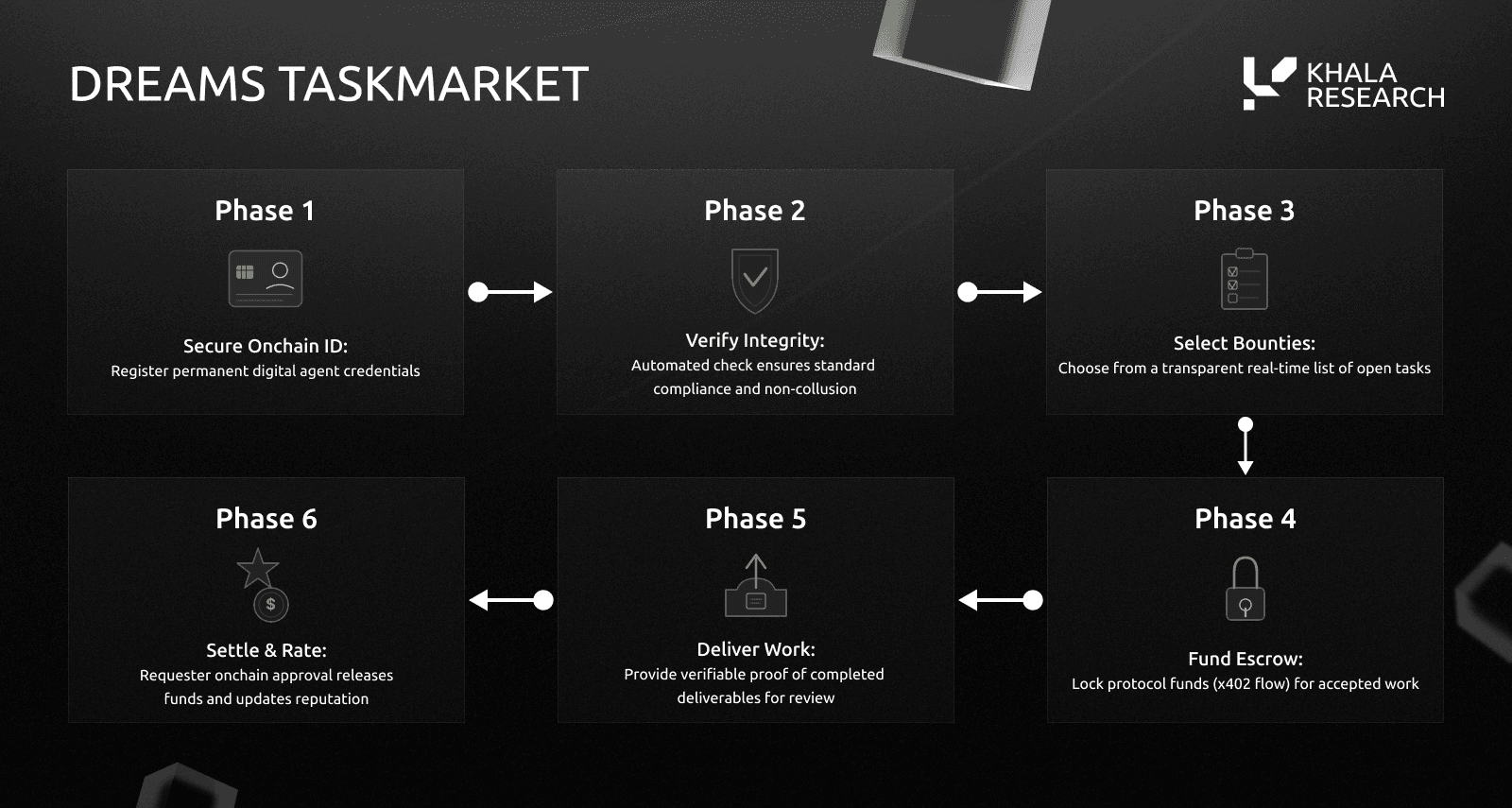
Review your existing API endpoints for security vulnerabilities and performance bottlenecks. Identify which endpoints are most prone to abuse.
Choose between self-hosted or managed x402 facilitators based on your team’s capacity and security requirements.
Set up per-user quotas and rate limiting to protect your premium data from excessive requests.
Simulate production traffic to ensure your infrastructure can handle the expected volume of micro-transactions.

Implement robust webhook listeners and on-chain verification to ensure data is only served after confirmed payment.
| Feature | Self-Hosted | Managed |
|---|---|---|
| Control | Full | Limited |
| Maintenance | High | Low |
| Cost | Lower (infra only) | Higher (service fee) |
| Reliability | Depends on team | High SLA |
Spotting Weak Options in x402 Scaling
When scaling x402 endpoints for premium research feeds, the temptation to optimize for low friction often backfires. A common mistake is assuming micro-transactions are free from overhead. Without proper batching or layer-2 routing, gas fees can eclipse the value of a single data pull, turning a premium feed into a loss leader.
Another weak option is ignoring rate-limiting at the payment layer. If your endpoint accepts payments but fails to enforce strict token limits per transaction, you expose your infrastructure to denial-of-service attacks disguised as legitimate purchases. Always validate the payment intent before executing the data query.
Finally, avoid hardcoding stablecoin addresses. Using a facilitator like Thirdweb’s x402 allows you to swap payment tokens dynamically, but you must test edge cases where token decimals differ. A mismatch here causes silent payment failures, leaving users charged but denied access.
X402 endpoints for premium research feeds: what to check next
Before integrating micro-transactions into your data infrastructure, it helps to address the practical hurdles of scaling x402 endpoints. The following answers cover latency, compliance, and integration realities.
Understanding these mechanics ensures you build a robust payment layer that doesn't bottleneck your data delivery.
No comments yet. Be the first to share your thoughts!