X402 endpoints premium research limits to account for
Implementing x402 endpoints for premium research feeds requires balancing access speed, data freshness, and integration complexity. Unlike traditional API keys, x402 endpoints gate access via micropayments on-chain, introducing specific operational factors that affect how agents retrieve and process market data.
When evaluating endpoints, consider how the payment layer impacts latency and error handling. A well-structured endpoint should return immediate access upon payment confirmation, but network congestion can delay this process. For high-frequency trading agents, even a few seconds of delay can skew real-time analytics. Additionally, the cost structure varies: some providers charge per request, while others offer subscription bundles that require upfront capital.
The following comparison highlights the key tradeoffs between common x402 endpoint models for research feeds.
| Feature | Micropay (Per-Request) | Subscription Bundle | Hybrid Model |
|---|---|---|---|
| Cost Efficiency | High for sporadic access | High for high-volume access | Balanced |
| Latency | Variable (on-chain confirmation) | Low (pre-paid access) | Medium |
| Integration Complexity | High (requires payment logic) | Low (token-based access) | Medium |
| Data Freshness | Real-time (on-demand) | Batched or Real-time | Real-time |
| Agent Autonomy | High (autonomous spending) | Low (pre-funded wallets) | Medium |
Micropay endpoints offer maximum flexibility for agents that need occasional, on-demand data points. However, they require robust error handling for failed transactions or network delays. Subscription models simplify integration by treating access like a standard API key, but they demand careful wallet management to avoid running out of funds during critical market windows. Hybrid models attempt to bridge this gap, offering pre-paid buffers for high-frequency requests while allowing on-demand top-ups for unexpected spikes.
When implementing these endpoints, prioritize providers with clear documentation on payment confirmation times and retry logic. The x402 official documentation provides a foundational understanding of the protocol, but real-world performance depends on the specific infrastructure layer you choose. Always test endpoints under simulated network congestion to ensure your agents can gracefully handle payment failures without missing critical data updates.
Choose the next step
Implementing x402 endpoints for premium research feeds requires matching your infrastructure to the specific payment-gating needs of your agent-commerce workflow. The standard allows APIs to accept stablecoin payments (typically USDC) directly over HTTP, but the implementation path varies based on whether you are building a new service or integrating an existing one.
-
Assess the integration layer. If you are starting from scratch, leveraging a facilitator like Thirdweb’s x402 module with a framework like Next.js reduces the complexity of handling cryptographic signatures and blockchain transactions. For existing APIs, evaluate if you can add the x402 middleware without refactoring your core authentication logic.
-
Define the premium content boundary. Determine exactly which data points or API responses trigger the payment requirement. Premium research feeds often require granular control, so map your endpoints to specific data tiers (e.g., real-time pricing vs. historical analytics) to ensure the payment-gating logic is precise.
-
Select the payment rail. While x402 is chain-agnostic, most agent-commerce infrastructure currently favors USDC on Ethereum L2s or Solana for speed and low fees. Ensure your chosen blockchain aligns with the transaction volume your research feed expects, as high-frequency agent queries can quickly accumulate on-chain costs.
-
Implement proof-of-payment verification. The endpoint must verify the cryptographic proof included in the request header before serving data. This step is critical; failing to validate the signature or expiration time correctly will leave your premium data exposed to unauthorized access.
-
Test with a sandbox environment. Use a testnet or a local facilitator instance to simulate payment flows. Verify that your API correctly rejects requests without valid proofs and accepts those with them, ensuring the user experience for automated agents is seamless.
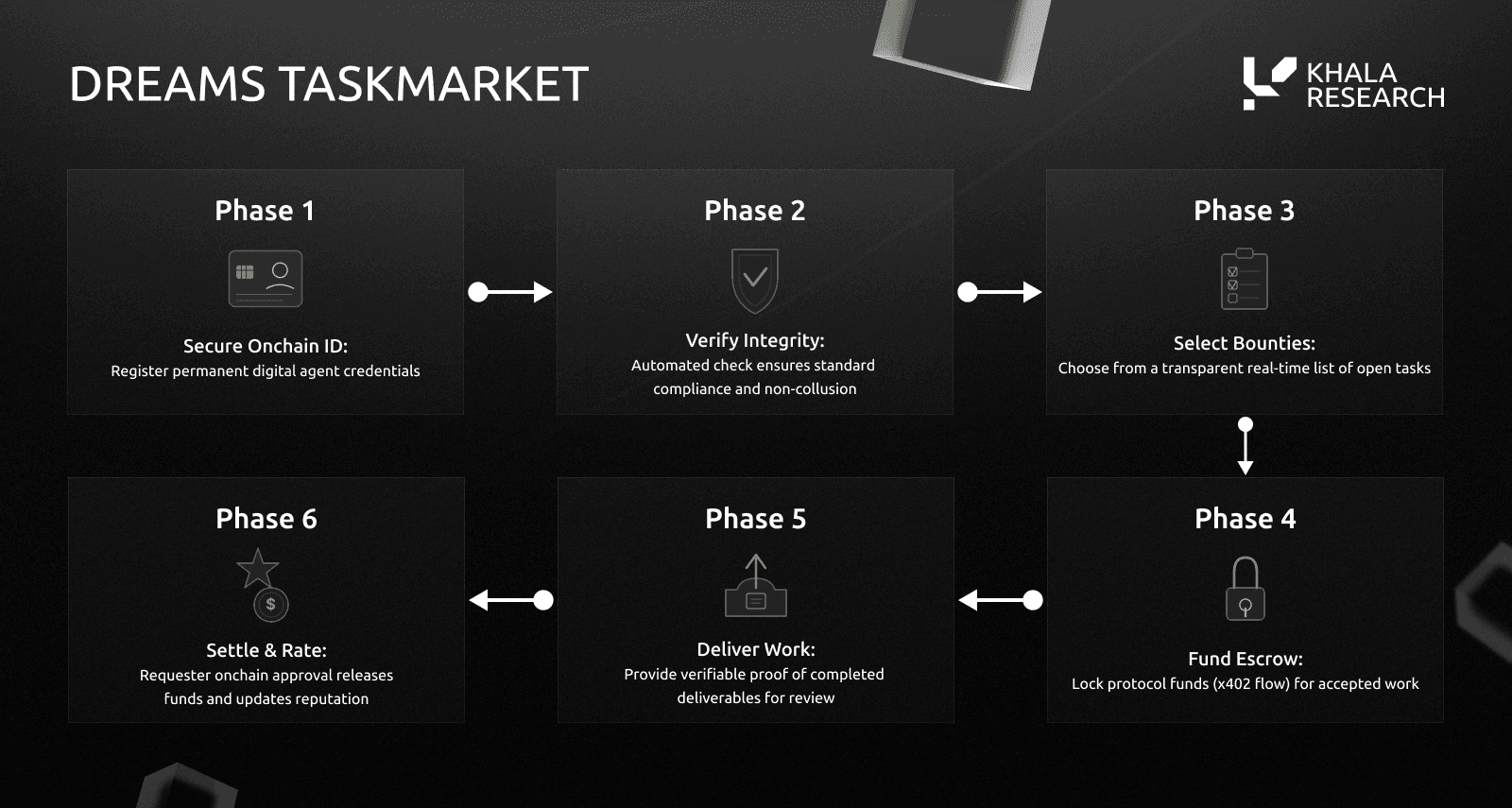
Map your existing endpoints to identify which ones handle sensitive or premium data. Determine if you can wrap these with x402 middleware or if a full refactor is necessary to support the new payment-gating headers.
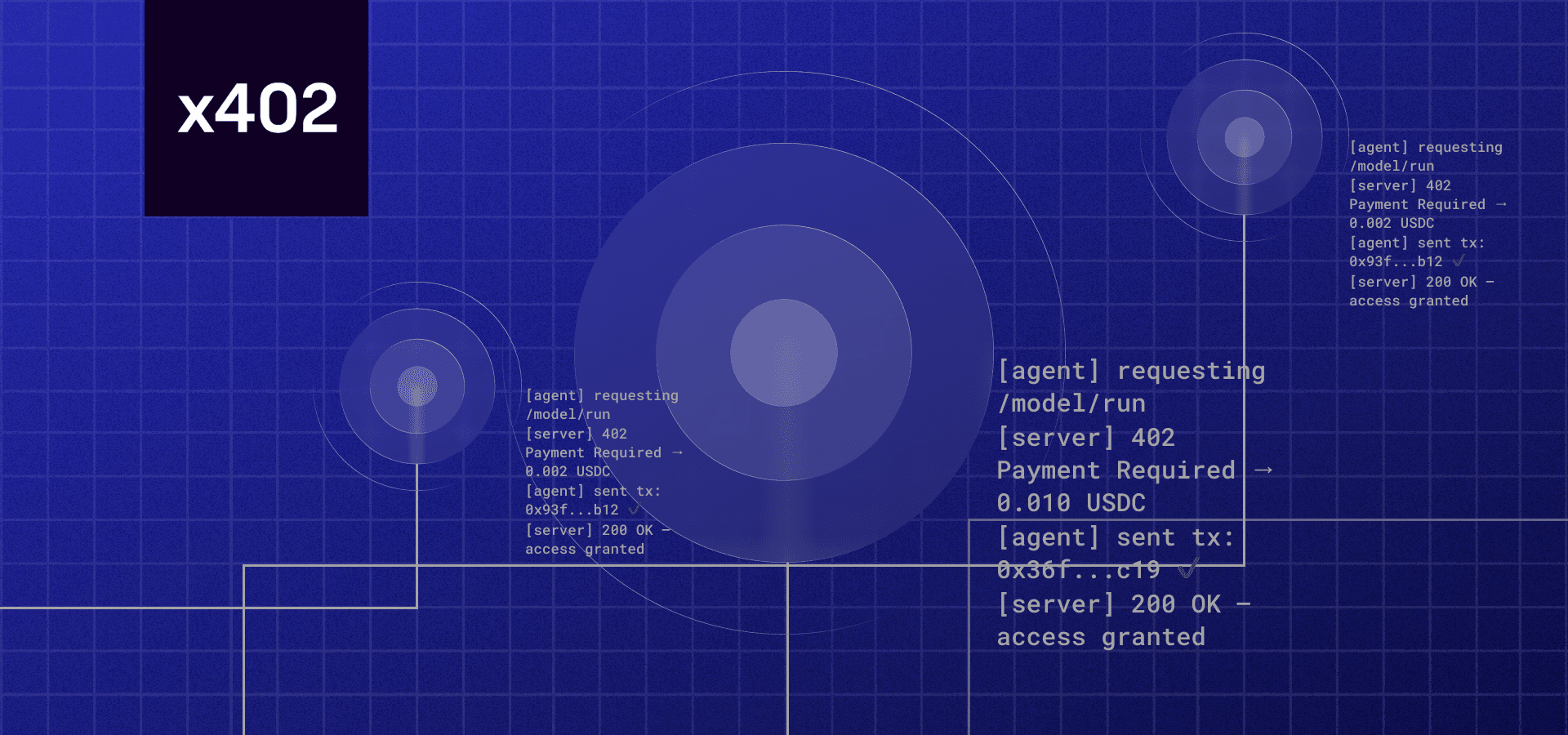
Decide between using a managed facilitator (like Thirdweb) for faster integration or building custom smart contract logic for greater control. Facilitators handle the complex signature verification and transaction monitoring for you.
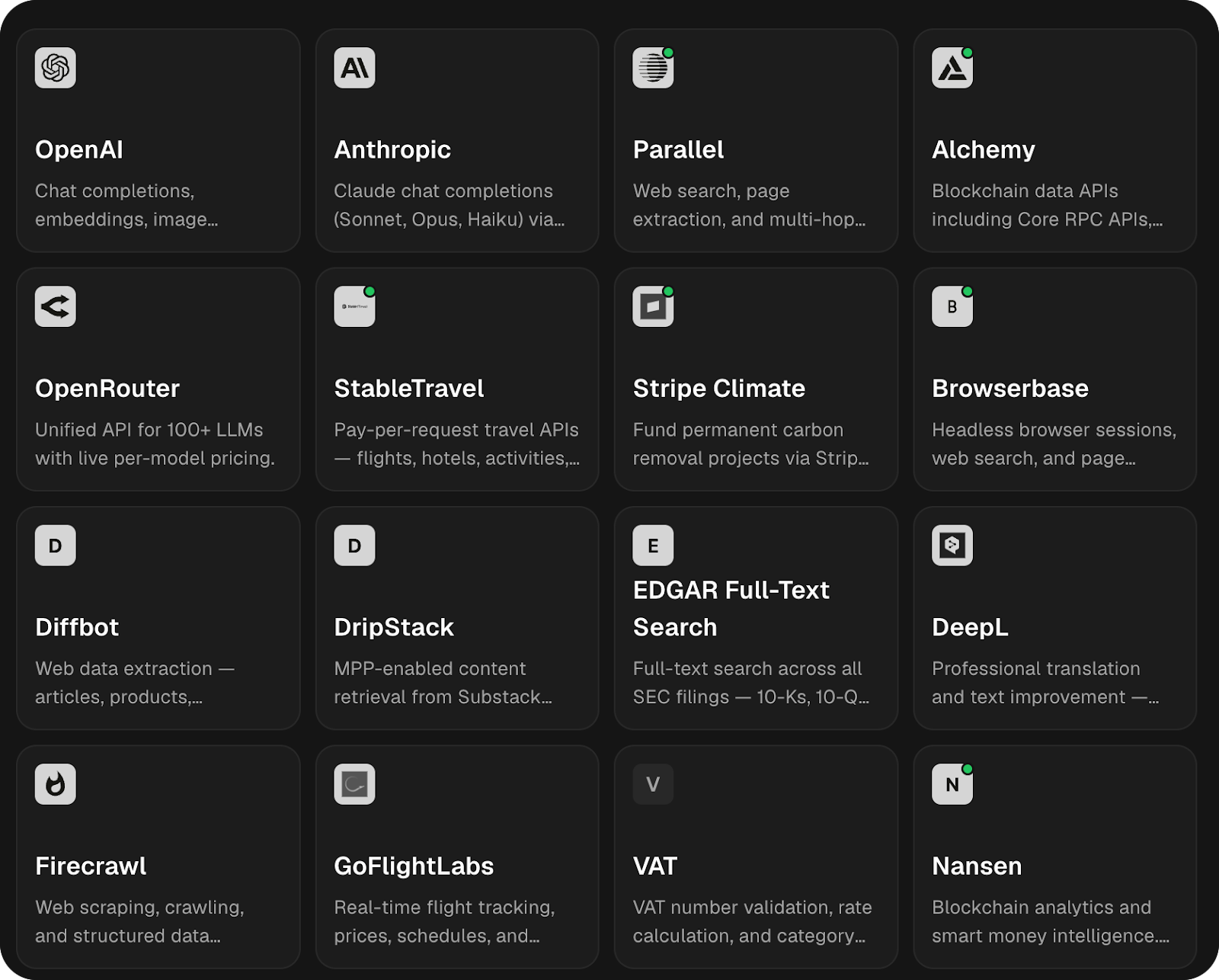
Select the stablecoin and blockchain network for your transactions. USDC on L2s is the current standard for agent-commerce due to low fees and high throughput. Ensure your infrastructure can handle the expected transaction volume on this specific chain.

Update your API to read and validate the x402 proof header. This cryptographic signature proves the payment was made. Test this verification logic rigorously to prevent unauthorized access to your premium research data.
Simulate agent queries to ensure the payment flow is seamless. Verify that requests without valid proofs are rejected and that successful payments provide immediate access to the correct data tiers.
Spotting Weak x402 Endpoint Claims
Premium research feeds demand strict endpoint validation. The x402 standard simplifies payment gating, but implementation gaps create security risks and unreliable data delivery. Evaluate these common pitfalls before deploying.
Misleading "Zero-Friction" Claims
Many providers claim instant, frictionless access. x402 requires a valid transaction hash before data is released. If an endpoint returns data before confirming the on-chain confirmation, it is not truly x402-compliant. This gap allows unauthorized access during the confirmation window.
Weak Currency Options
Some implementations accept only volatile assets like ETH. Premium research requires stable value. Ensure the facilitator supports USDC or USDT. Volatile payment methods introduce unnecessary FX risk for both the buyer and the research provider.
Missing Proof of Payment
A robust endpoint must return a verifiable proof of payment alongside the data. Without this, users cannot audit the transaction. Check that the response includes the transaction ID and block number for independent verification on the blockchain explorer.
X402 endpoints for premium research feeds: practical: what to check next
Before integrating x402 into your agent-commerce infrastructure, it helps to clear up how the protocol actually handles payments, latency, and access control. These questions address the most common friction points when moving from standard API keys to crypto-native, per-request billing.
Understanding these mechanics ensures your premium feeds remain secure and scalable without introducing friction for automated agents.
No comments yet. Be the first to share your thoughts!