How x402 enables agent payments
x402 Endpoints for Premium Research Feeds works best as a clear sequence: define the constraint, compare the realistic options, test the tradeoff, and choose the path with the fewest hidden costs. That order keeps the advice usable instead of decorative.
After each step, pause long enough to check whether the recommendation still fits the reader's actual situation. If it depends on perfect timing, unusual access, or a best-case budget, include a simpler fallback.
The simplest way to use this section is to write down the real constraint first, compare each option against it, and choose the path that still works outside ideal conditions.
Comparing x402 vs traditional API monetization
Traditional API monetization relies on a rigid subscription model. Developers provision API keys, assign them to user accounts, and manage monthly billing cycles. This approach works well for predictable, high-volume usage but creates friction for intermittent access or automated agents that cannot manage persistent credentials or human-approved payment flows.
x402 endpoints flip this model by embedding the payment directly into the HTTP 402 status code. Instead of a monthly fee, users or AI agents pay per request using stablecoins. This shifts the burden of billing from the provider to the protocol, allowing for granular, pay-per-use pricing that scales instantly with demand.
The following comparison highlights the structural differences between these two approaches:
| Feature | Traditional API | x402 Endpoints |
|---|---|---|
| Billing Model | Monthly subscription or tiered limits | Per-request micropayment |
| User Friction | High: requires account creation and credit card | Low: wallet signature or direct payment |
| Agent Compatibility | Low: struggles with autonomous billing | High: native support for AI agent commerce |
| Settlement Speed | Slow: net-30 or monthly cycles | Fast: near-instant on-chain settlement |
| Access Control | Static API keys or OAuth tokens | Dynamic payment verification via HTTP 402 |
For research feeds, this distinction is critical. A researcher might only need a specific dataset once a month. Under a traditional model, they still pay for the entire month's access. With x402, they pay only for the specific data point they retrieve. This aligns cost directly with value, making premium research data more accessible to smaller teams and automated workflows.
Setting up payable endpoints for research data
Creating an x402 endpoint for premium research feeds involves configuring your API to handle HTTP 402 status codes and integrating with a blockchain facilitator. This process transforms a standard data endpoint into a self-contained payment gateway, allowing AI agents and clients to pay for data access programmatically without leaving the HTTP flow.
Start by selecting a facilitator that supports your target chain. Monad and Base are currently popular choices for x402 implementation due to their low transaction costs and robust developer tooling. You will need to register your endpoint with the facilitator to establish the payment routing rules. This step ensures that when a client pays, the funds are correctly routed to your wallet address.
Next, implement the HTTP header logic in your server code. When a request arrives, check for the X-Protocol-Payment header or the standard Authorization header containing the payment proof. If the payment is missing or invalid, return an HTTP 402 status code with a Pay header that includes the price, currency, and payment URI. If the payment is valid, proceed to return the premium research data with a standard 200 OK response.
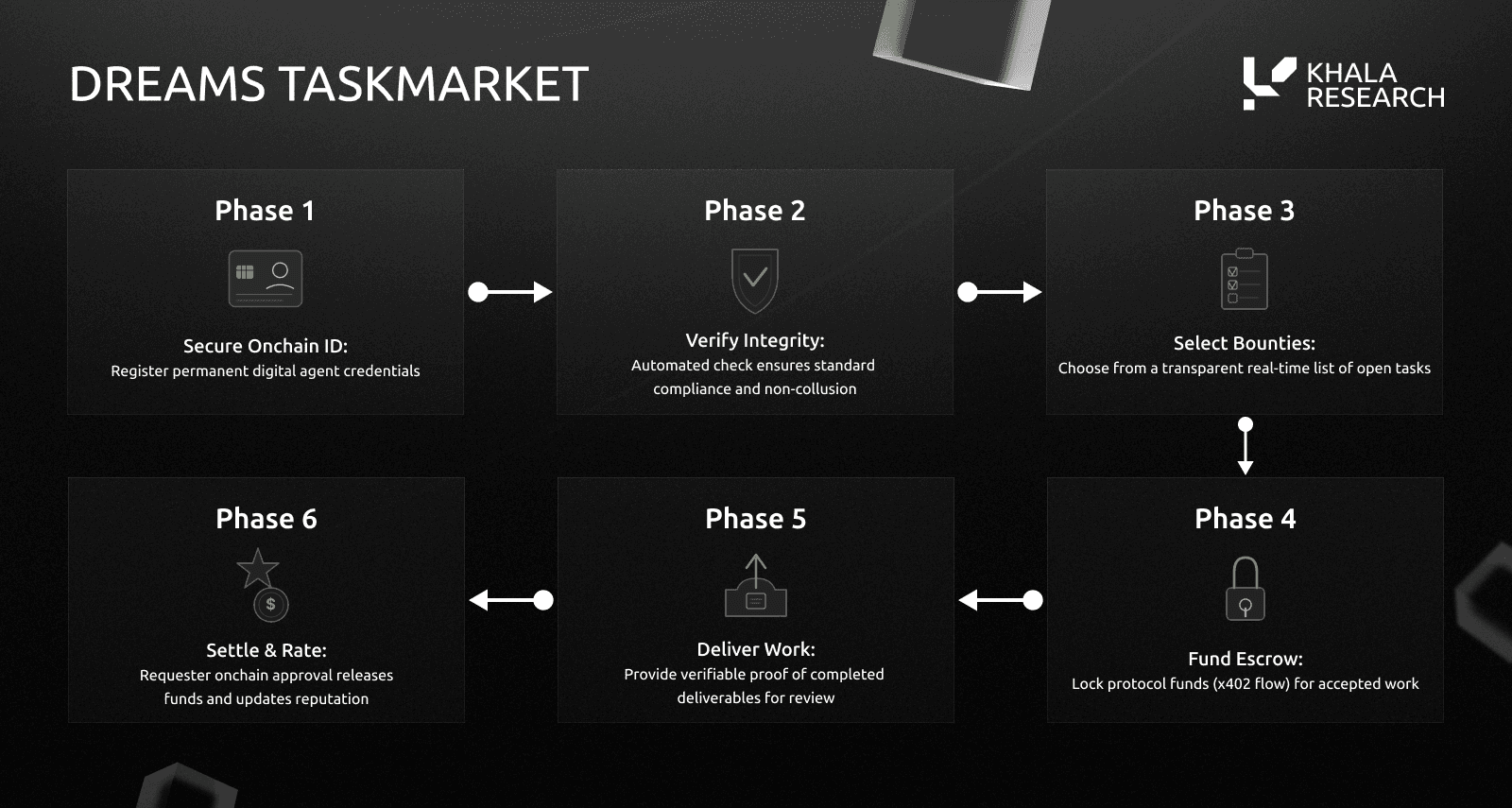
Register your endpoint with a blockchain facilitator like Monad or Coinbase. This establishes the smart contract interaction layer that verifies payments. Ensure your wallet address is correctly linked to the facilitator contract for fund settlement.
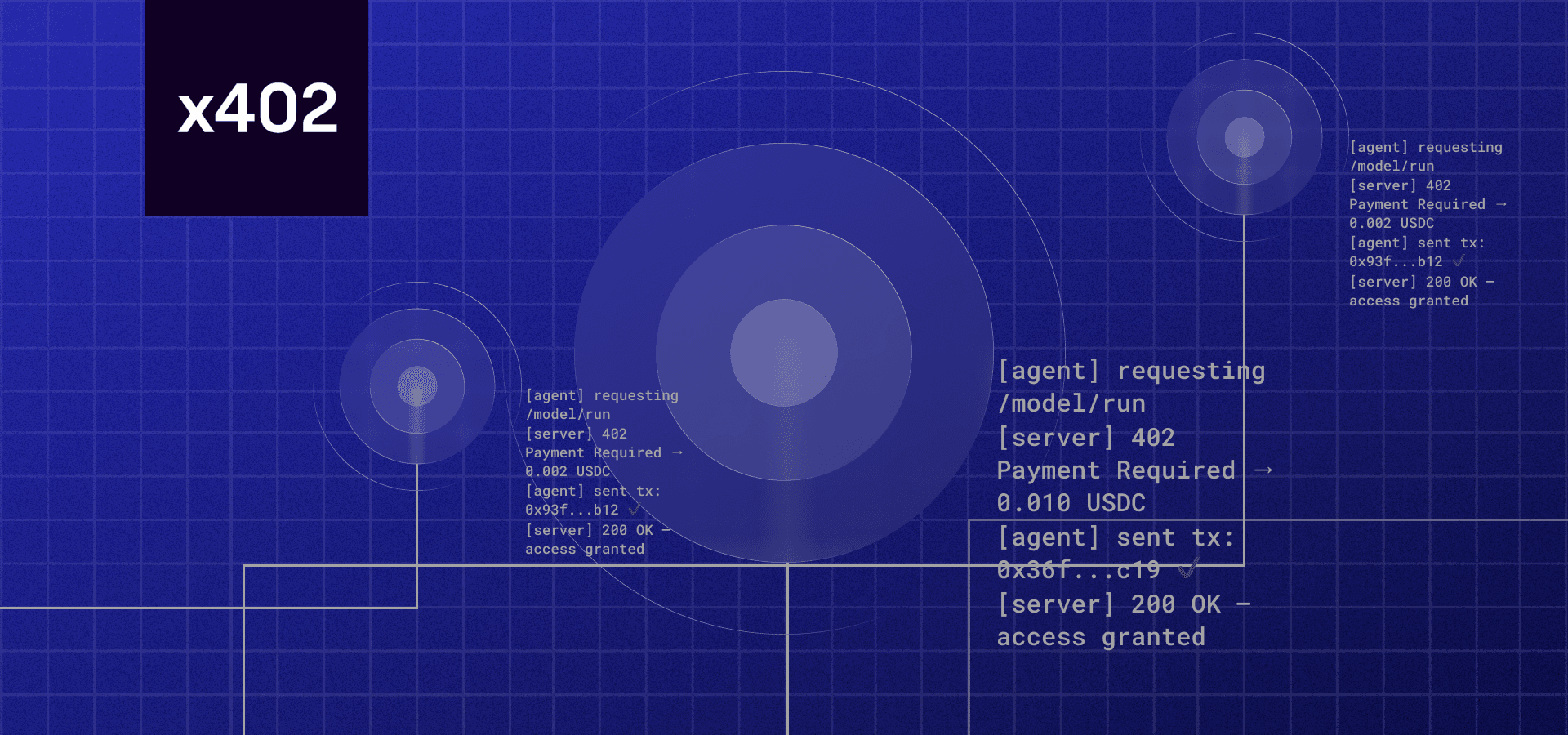
Update your server middleware to intercept requests. If no valid payment is detected, respond with a 402 status code. Include the Pay header with the exact price and payment URI. This signals to the client that payment is required to access the resource.
Once a client presents a valid payment proof, verify it against the facilitator. If valid, return the premium research data with a 200 OK status. This completes the atomic exchange, ensuring the client pays only for successfully delivered data.
Finally, test the entire flow using an x402-compatible client or agent. Use a tool like an MCP server to initiate a request and observe the 402 challenge. Verify that the payment is processed on-chain and that the data is returned immediately after confirmation. This end-to-end test ensures your endpoint is robust and ready for production use.
Pricing strategies for premium research feeds
When selling high-value intelligence like competitor analysis or sales signals, your pricing model needs to match the granularity of the data. Static micropayments work well for standardized datasets—think of them as digital vending machines where the user pays a set amount for a fixed report. Dynamic pricing, on the other hand, adjusts based on real-time demand or data freshness, ensuring you capture maximum value during peak market volatility.
The beauty of x402 endpoints is that you can implement both models with the same underlying infrastructure. For a static model, you might price a deep-dive competitor report at a flat fee, while a dynamic model could charge per query for real-time sales signals, scaling costs with API usage. This flexibility allows you to experiment without rebuilding your backend.
To contextualize these micro-transactions, it helps to look at the current value of stablecoins often used in these flows:
Implementation checklist for x402
Before pushing your premium research feed to production, run through this ordered checklist. Following these steps ensures your x402 endpoints are secure, reliable, and ready for automated agent clients.
Confirm your API returns a 402 status code with the required x-payments-terms header when the client is unauthenticated or unpaid. This header must include the payment URI and price details as defined in the official x402 specification. Test this with a basic curl request to ensure the structure is parseable by standard x402 libraries.
Implement server-side verification for the payment proof returned by the client. Never trust client-side claims alone. Use an official x402 verification library to validate the cryptographic signature of the payment token against the payment URI. This step prevents unauthorized access to your premium research data.

Ensure your endpoint returns clear error messages for failed transactions, such as invalid tokens or expired payment terms. Log these failures securely without exposing sensitive payment details. A clean error response helps developers and agents debug integration issues quickly, reducing support overhead.

Use an x402-compatible agent or client library to simulate real-world usage. Verify that the agent can automatically handle the 402 challenge, make the payment, and retry the request successfully. This end-to-end test confirms your implementation works with the broader x402 ecosystem.

Set up logging and monitoring for your x402 endpoints to track payment success rates and error frequencies. Regularly audit your implementation against the latest x402 documentation to ensure compliance with any updates to the standard. This proactive approach maintains trust and reliability for your premium data subscribers.
No comments yet. Be the first to share your thoughts!