Get x402 endpoints premium research right
Start The to x402 Endpoints for Premium Research Feeds with the constraint that matters most in real life: space, timing, budget, skill level, maintenance, or availability. That first constraint should shape the rest of the plan instead of appearing as an afterthought. Keep the first pass simple enough to verify. Compare the main options against the same criteria, remove choices that only work in ideal conditions, and save optional upgrades for later.
The simplest way to use this section is to write down the real constraint first, compare each option against it, and choose the path that still works outside ideal conditions.
Build your x402 endpoint for premium research feeds
Setting up an x402 endpoint requires moving from abstract payment concepts to concrete HTTP status codes. The protocol uses the 402 status code to gate content, ensuring that premium research feeds are only served after a stablecoin payment is verified. This guide walks through the technical implementation using standard web frameworks and the x402 facilitator.
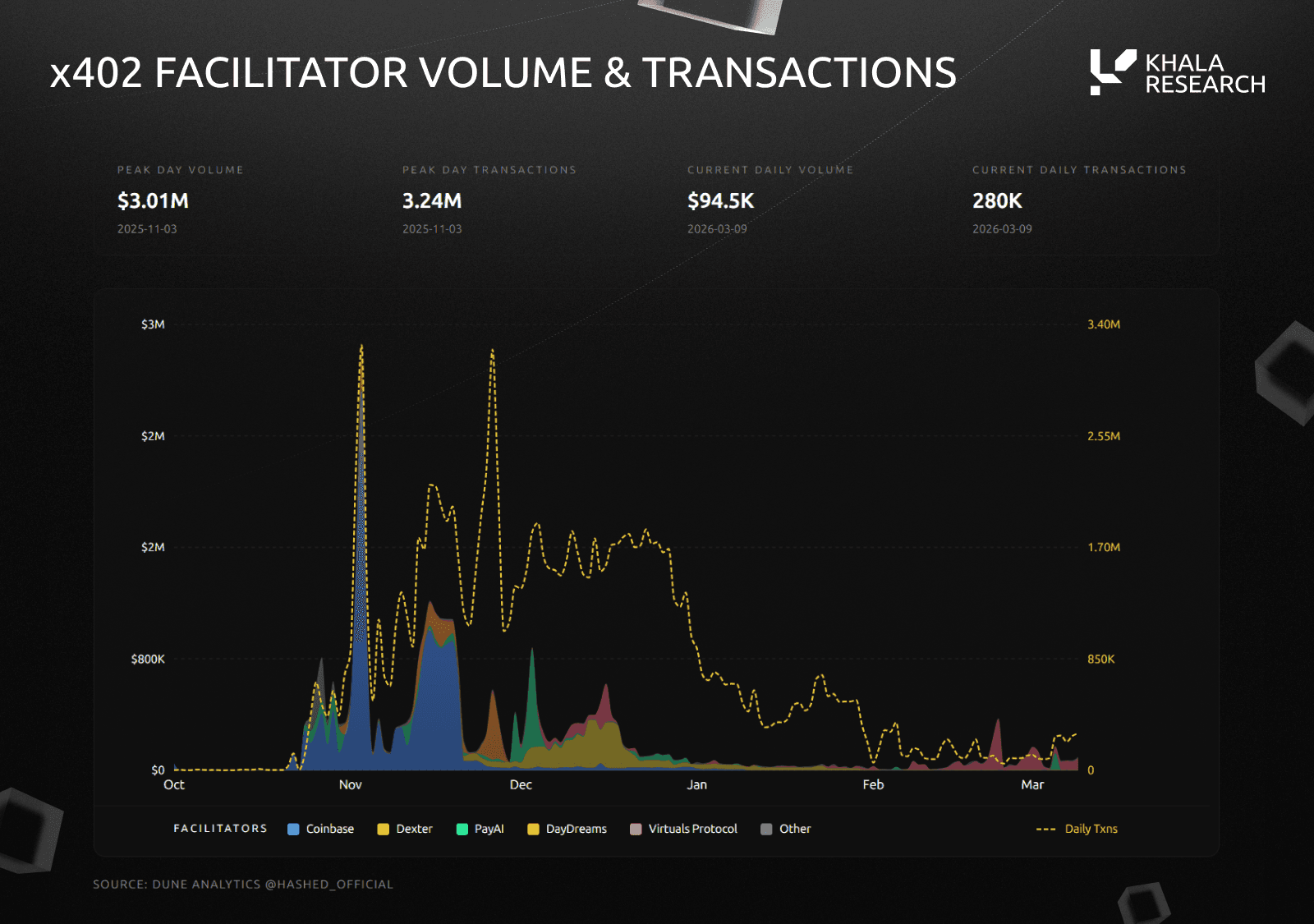
Start by setting up the payment infrastructure. Most implementations use a facilitator like Thirdweb’s x402 library to handle the complex logic of verifying USDC payments on Solana or Ethereum. You must define the price per request or per subscription tier in your backend configuration. This step ensures that your server knows exactly what amount to expect before it attempts to serve any data.

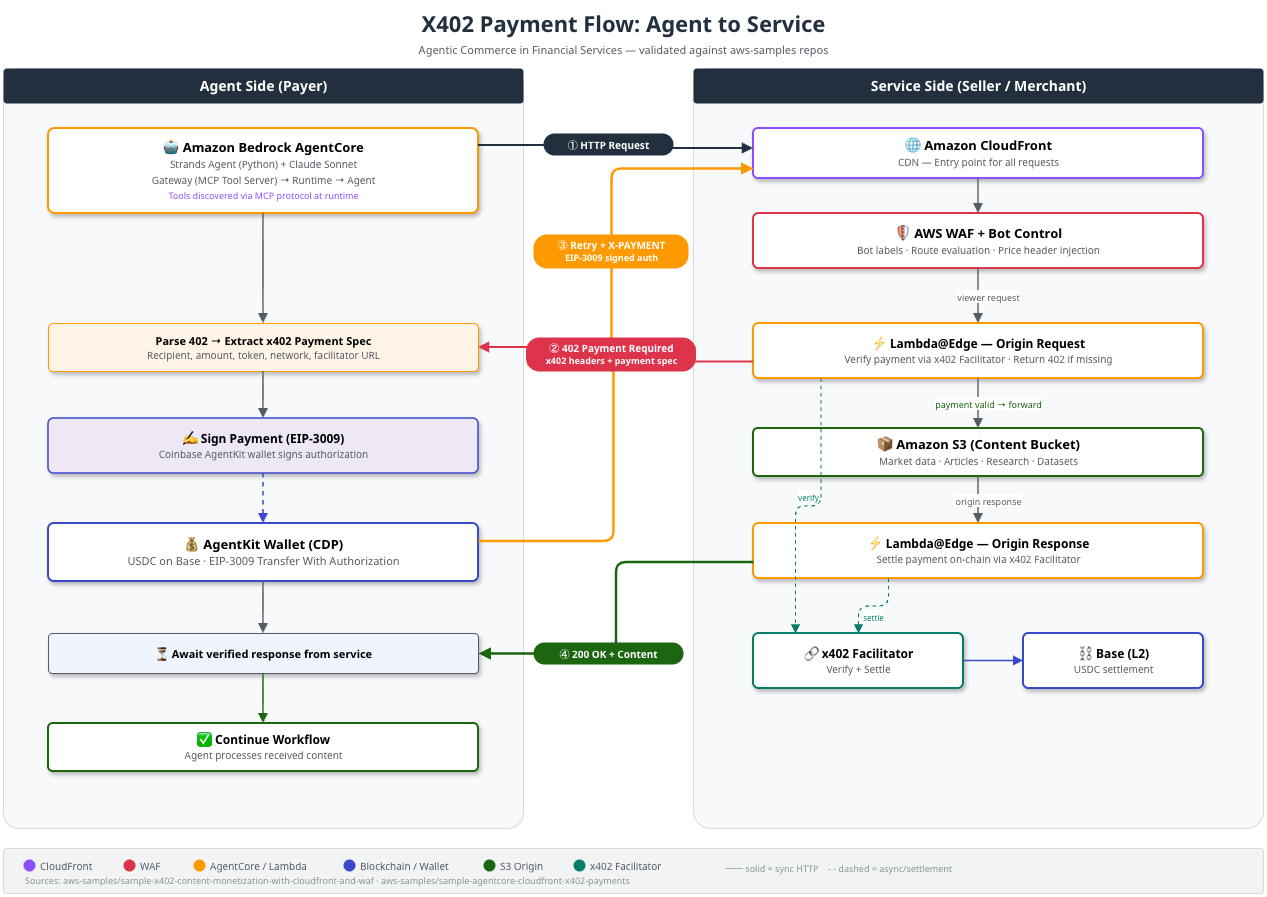
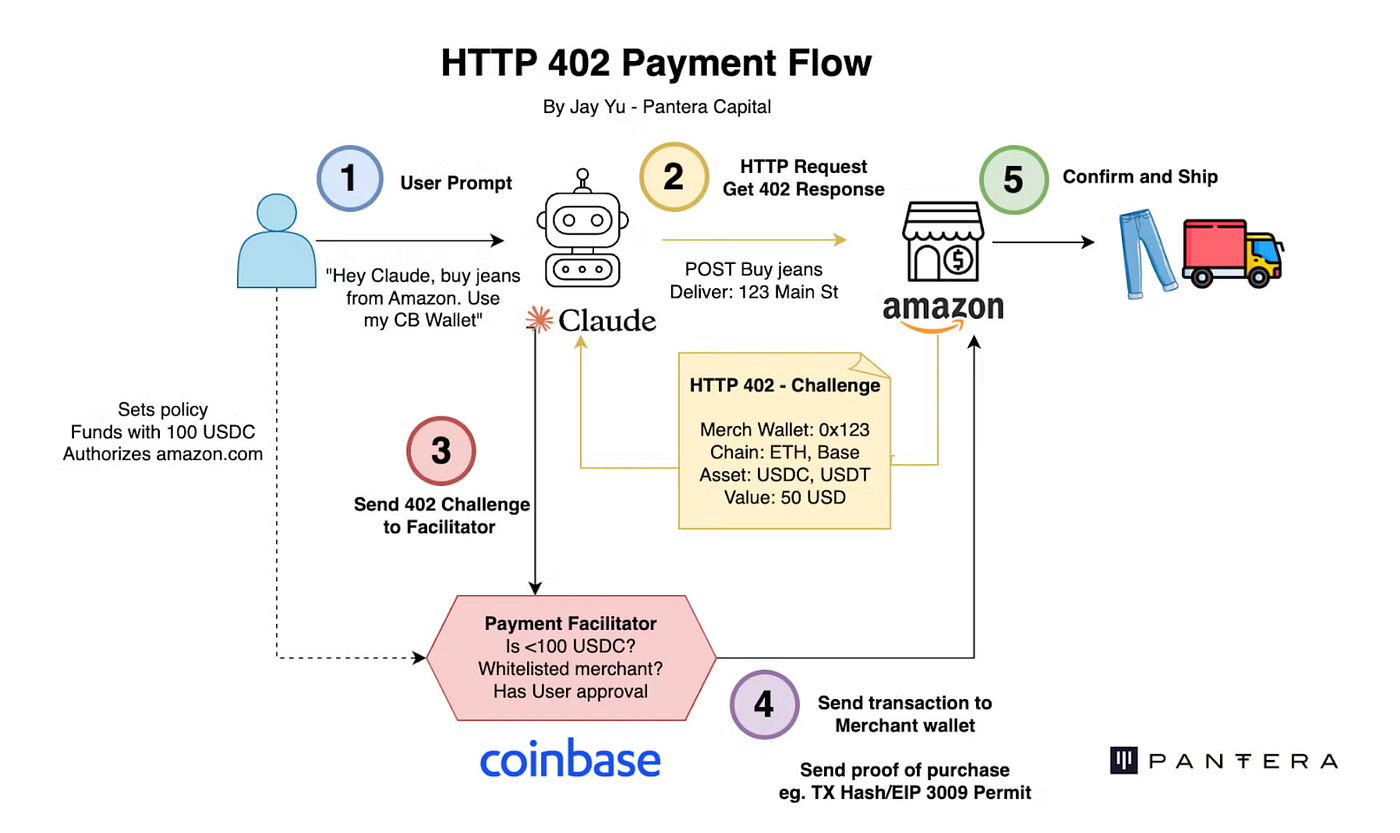
Your API must return a 402 Payment Required status code when no payment is detected. This is the core mechanism of the protocol. Unlike traditional paywalls that use JavaScript redirects, x402 returns this status at the HTTP layer. Include the payment details in the response headers so the client knows where to send the funds. This ensures that agentic tools and scripts can automatically detect the paywall and process the transaction without human intervention.
Once the client attempts to pay, your server must verify the transaction. Do not trust client-side claims; instead, query the blockchain explorer for the transaction hash provided by the client. Check that the amount matches your configured price and that the sender address is correct. This verification step prevents fraud and ensures that only paying clients receive access to your premium research data. Use a reliable oracle or blockchain library to perform this check quickly.
After successful verification, grant access to the endpoint. You can do this by issuing a temporary token or updating the session state on the server. The response should now include the full research feed data in JSON or CSV format. Ensure that the response headers indicate the content type correctly so that clients can parse the data immediately. This final step completes the payment-gated loop, delivering value only after the fee is settled.
Fix Common Mistakes
Even with a solid plan, small errors in implementation can break the payment flow or leave your service exposed. The x402 protocol relies on strict adherence to HTTP standards and precise cryptographic signing. When these elements drift, endpoints fail silently or reject legitimate requests.
Misconfigured HTTP Headers
The most frequent failure point is incorrect header formatting. The Authorization header must carry the exact signature format required by the facilitator. If you include extra whitespace or use the wrong bearer token structure, the server will reject the payment proof. Always validate your headers against the official x402 specification before deploying to production.
Ignoring Rate Limits and Quotas
Premium research feeds often have strict usage limits. Developers sometimes forget to implement exponential backoff for failed requests. This leads to rapid quota exhaustion and temporary bans. Check your provider’s documentation for specific rate limit policies and build retry logic that respects these constraints.
Inadequate Error Handling
Network interruptions are common in API integrations. If your code assumes a successful response without checking the HTTP status code, you may process incomplete data or crash. Always check for 4xx and 5xx errors. Log these failures clearly so you can distinguish between authentication issues and server-side problems.
Skipping Idempotency Checks
When handling payments, duplicate requests can lead to double-charging. Implement idempotency keys for every transaction. This ensures that if a request is retried due to a network glitch, the payment is only processed once. This is critical for maintaining trust with your users and avoiding financial discrepancies.
X402 endpoints for premium research feeds: what to check next
Before integrating x402 into your research infrastructure, it helps to separate the protocol mechanics from the ecosystem strategy. The following answers address the most common technical and operational questions from developers and data buyers.
These foundational questions clarify the technical landscape. The next step is to implement these protocols effectively.
Helpful gear
Use these product recommendations as a starting point, then choose the size, material, and price point that fit how you actually use the gear.
As an Amazon Associate, we may earn from qualifying purchases.
No comments yet. Be the first to share your thoughts!