x402 endpoints for premium research feeds
The x402 protocol transforms how premium research feeds are monetized by embedding payments directly into the data stream. Instead of relying on traditional subscription gateways or ad-supported models, x402 uses the HTTP 402 "Payment Required" status code to facilitate instant blockchain payments over standard HTTP requests. This approach allows researchers and data providers to sell access to high-value datasets with minimal friction, ensuring that payment is a prerequisite for data consumption.
For premium research feeds, this means endpoints can be configured to accept microtransactions or larger payments directly within the request cycle. When a request is made, the endpoint checks for a valid payment proof. If the payment is confirmed, the data is delivered; if not, the server responds with a 402 status, prompting the client to complete the transaction. This mechanism aligns incentives perfectly between data consumers and providers, as access is granted only upon verified payment.
Implementing this strategy requires careful consideration of endpoint design and security. Developers must ensure that payment verification is robust and that the blockchain network used can handle the transaction volume without excessive latency or fees. By leveraging x402, research firms can offer granular, pay-per-use access to their feeds, opening up new revenue streams from users who previously found subscription models too rigid or expensive.
X402 endpoints premium research choices that change the plan
When integrating x402 endpoints for premium research feeds, you are balancing three competing variables: latency, cost predictability, and access granularity. Unlike traditional API subscriptions that offer flat monthly fees, x402 charges per request, which fundamentally changes how you architect your data pipelines. This shift requires a clear evaluation of your agent's consumption patterns to avoid budget overruns.
The primary tradeoff lies in the granularity of the data returned. High-frequency endpoints provide real-time, tick-by-tick data ideal for arbitrage agents but incur higher per-request costs. Lower-frequency endpoints aggregate data over longer intervals, reducing costs but potentially missing short-lived market opportunities. You must decide whether your agents need immediate precision or if delayed data suffices for their decision-making cycles.
Another critical factor is the reliability of the payment facilitation layer. x402 relies on blockchain transactions to unlock content, which introduces a slight latency overhead compared to standard HTTP headers. While this delay is often negligible for non-time-critical research, it becomes a bottleneck for high-speed trading agents. Evaluate whether your infrastructure can handle the asynchronous confirmation of 402 responses without stalling the entire workflow.
Finally, consider the interoperability of your chosen endpoints. Some x402 providers offer standardized schemas that simplify integration across multiple data sources, while others use proprietary formats. Standardized endpoints reduce development time and maintenance overhead, whereas proprietary ones may offer unique features at the cost of complexity. Choose endpoints that align with your long-term scalability goals rather than just immediate functionality.
| Factor | High-Frequency | Low-Frequency |
|---|---|---|
| Cost per Request | Higher | Lower |
| Data Latency | Minimal | Moderate |
| Use Case | Arbitrage | Trend Analysis |
| Integration Complexity | Standardized | Proprietary |
Choose the right tools for agent-commerce integration
Monetizing premium research feeds via x402 requires more than just protocol knowledge; it demands the right infrastructure to handle high-frequency, low-latency micropayments. The x402 protocol enables instant blockchain payments over HTTP using the 402 "Payment Required" status code, allowing agents to pay for data access without manual intervention [src-serp-2]. To build a reliable system, you need tools that support API-first design, secure key management, and seamless integration with existing payment rails.
The ecosystem is backed by payment networks, cloud platforms, and developer infrastructure teams building the next payment layer for the internet [src-serp-1]. Choosing components that align with this infrastructure ensures your research feed remains accessible, secure, and profitable. Below is a practical framework for selecting the right tools for your agent-commerce setup.
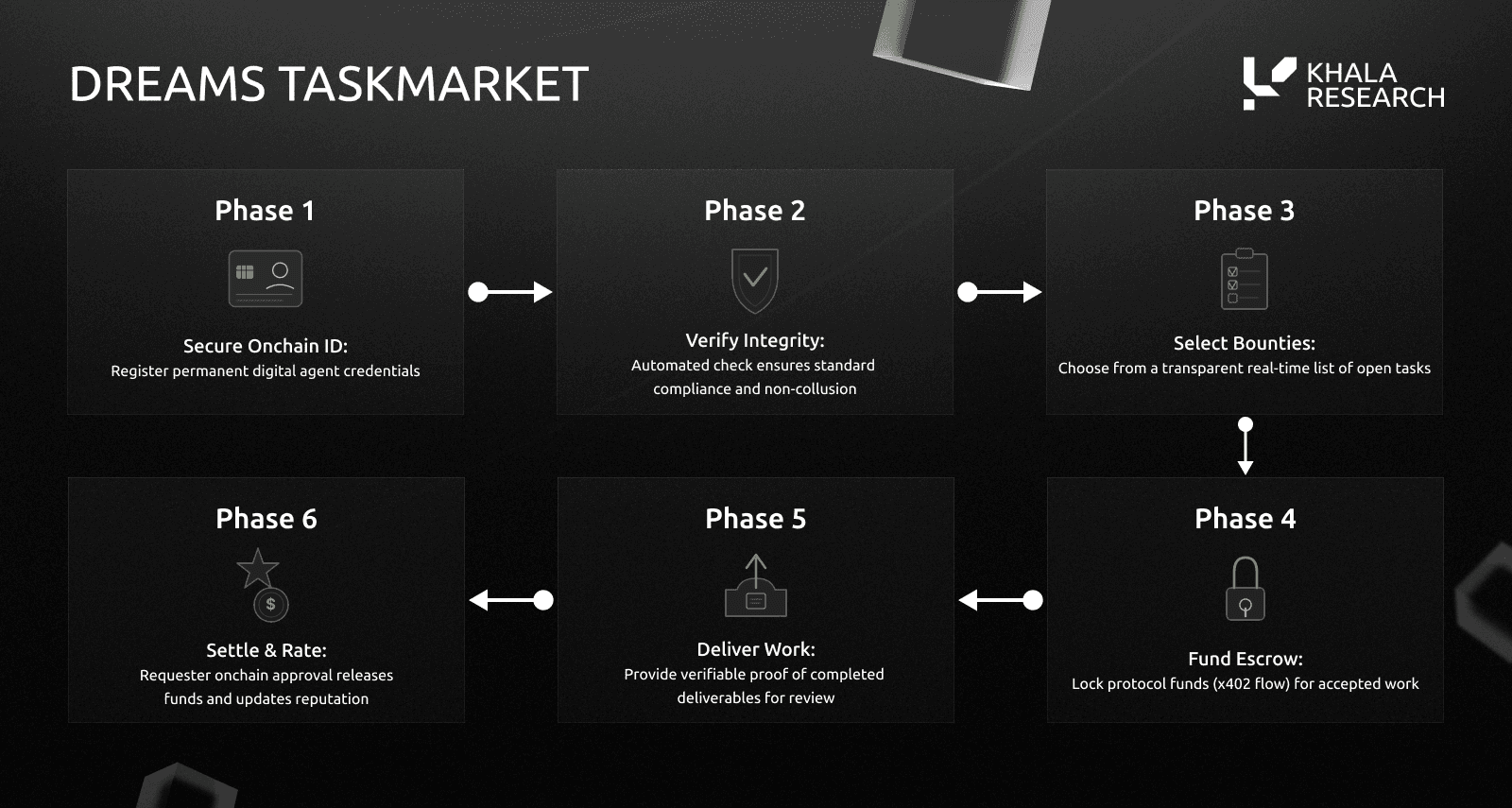
Your API gateway is the first line of defense and the primary point of contact for agent requests. It must handle authentication, rate limiting, and protocol validation. Look for gateways that support custom HTTP status codes, specifically 402, to signal payment requirements directly in the response. This allows agents to detect paywalls programmatically and trigger payment flows automatically.
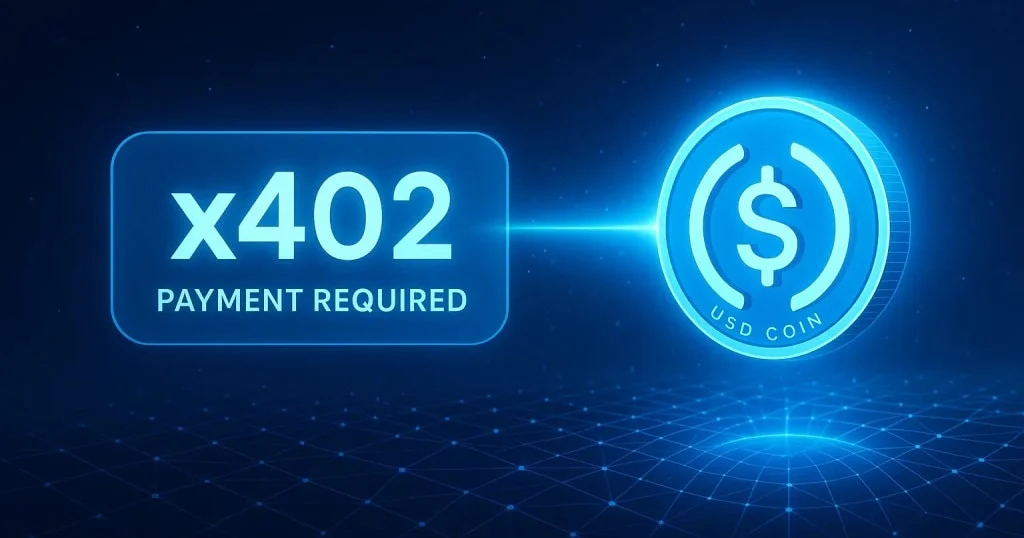
Since x402 relies on blockchain transactions, you need a processor that can handle instant, low-cost micropayments. The processor should support the specific token or stablecoin you plan to use for your research feed. It must also provide a reliable webhook system to confirm payment completion before unlocking data access. This ensures you are paid before delivering sensitive or premium information.
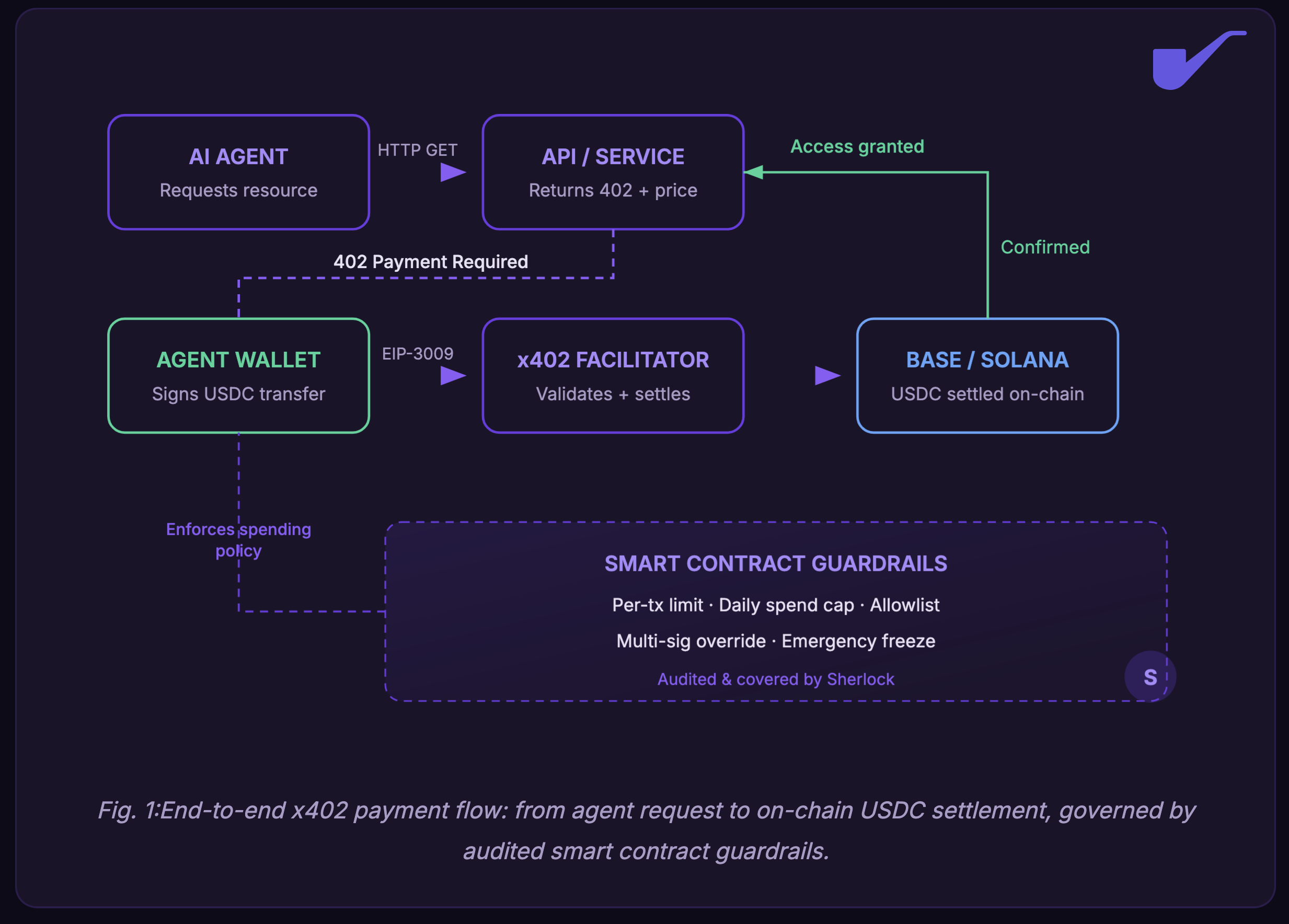
Once payment is confirmed, your data delivery node must serve the research feed efficiently. This component should be optimized for high throughput and low latency, as agents may request multiple data points in rapid succession. Consider using a CDN or edge network to distribute your data globally, ensuring that agents in different regions receive their data quickly and consistently.


As an Amazon Associate, we may earn from qualifying purchases.
These tools form the backbone of your x402 monetization strategy. By selecting components that prioritize security, speed, and protocol compliance, you create a robust environment for agent-commerce. The goal is to make payment frictionless for agents while ensuring you receive compensation for your premium research data.
Spotting Weak Options in x402 Monetization
The x402 protocol enables instant blockchain payments over HTTP using the 402 "Payment Required" status code. While the infrastructure is powerful, many creators fall for misleading claims about "zero-effort" monetization. The ecosystem relies on backend logic, not magic. You must verify that your agent-commerce layer actually handles payment verification before delivering premium research.
Avoid tools that promise automatic revenue without clear API integration. Check if the solution supports the official x402 ecosystem standards. If a provider lacks transparency about their payment routing, they are likely adding a middleman layer that reduces your margins. Stick to options backed by payment networks and developer infrastructure that align with the official x402 guidelines.
Technical verification is non-negotiable. Use a live chart to monitor the underlying asset's volatility, as payment success rates can fluctuate with market conditions. If your research feed depends on a volatile token, you need real-time data to adjust pricing dynamically. A static price widget won't save you from slippage during high-traffic periods.
X402 endpoints for premium research feeds strategy: what to check next
X402 turns research data into a programmable asset. Before committing infrastructure, verify that your endpoints handle micro-transactions without latency bottlenecks and that your pricing model aligns with agent behavior patterns.
The shift from subscription models to pay-per-use changes how you value your data. Focus on endpoints that verify payments instantly to maintain real-time access control. This approach aligns revenue directly with consumption, ensuring that high-value research feeds are monetized efficiently without administrative friction.
No comments yet. Be the first to share your thoughts!