Get x402 endpoints premium research right
Before you integrate x402 for premium research feeds, you must align your technical stack with the protocol’s payment-gated requirements. This standard uses stablecoins like USDC to gate API access, meaning your infrastructure needs to handle both data retrieval and on-chain transactions. Skipping these prerequisites often results in failed requests or silent data failures.
1. Verify wallet and facilitator support
Your backend must interact with an x402 facilitator, such as Thirdweb’s implementation, to process payments. Ensure your environment supports the necessary cryptographic signatures to prove payment without exposing private keys to the API server. Test this connection against a staging endpoint before touching production data.
2. Select the right stablecoin
Most x402 endpoints accept USDC, but you must confirm the specific token standard (e.g., ERC-20) required by the research provider. Using the wrong token or network will cause immediate rejection. Check the provider’s documentation for supported chains to avoid unnecessary gas fees or failed transactions.
3. Handle idempotency and retries
Blockchain confirmations are not instant. Your client needs a robust retry mechanism that checks the transaction status rather than simply resending the API request. Implementing idempotency keys ensures you don’t pay twice for the same research data if a network delay occurs.
4. Audit your rate limits
Premium research feeds often have strict rate limits tied to payment tiers. Configure your client to respect these limits to avoid being blocked. Monitor your usage metrics closely during the first week of integration to adjust your polling frequency based on actual data availability.
Set up your x402 endpoint infrastructure
Connecting to premium research feeds requires a stable, payment-gated environment. The x402 protocol allows APIs to accept USDC payments directly, removing the friction of traditional credit card processing or API key management. This guide walks you through building a robust x402 endpoint for research data.
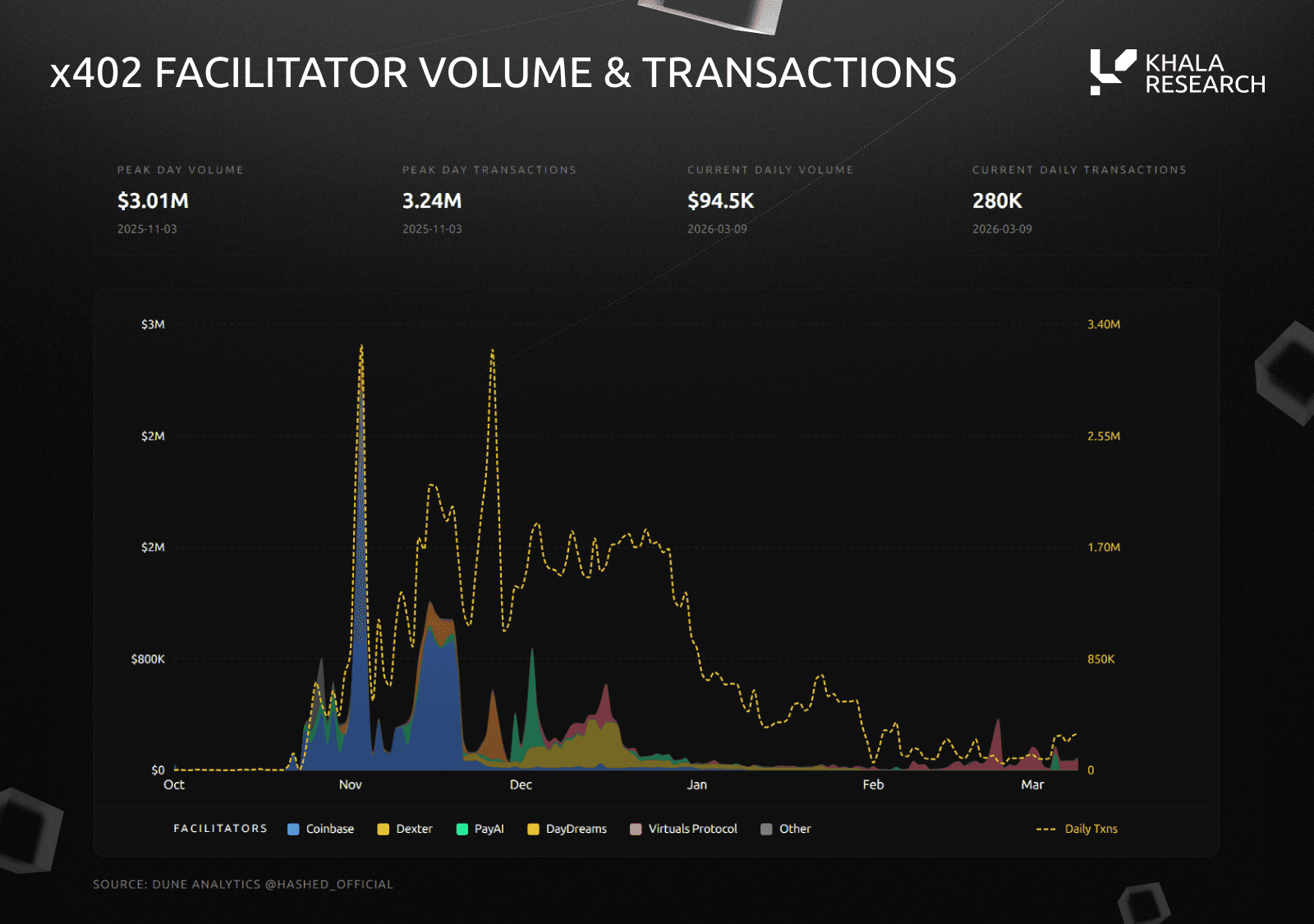
Begin by initializing your project with the official x402 facilitator. This library handles the complex interaction between your API, the blockchain, and the payment gateway. For Next.js projects, install the package via npm or yarn. The facilitator acts as the bridge, ensuring that payment verification happens automatically before your research data is served. This step is foundational; without it, your endpoint cannot validate USDC transactions.

Next, configure your backend to recognize the specific blockchain network where your premium feed resides. Most high-value research feeds operate on networks like Base or Ethereum L2s for lower fees. Set your environment variables to include your wallet private key (kept secure) and the RPC endpoint. You must also define the USDC contract address for the specific network. Incorrect network configuration is the most common reason for failed transactions, so double-check the chain ID against the data provider's requirements.
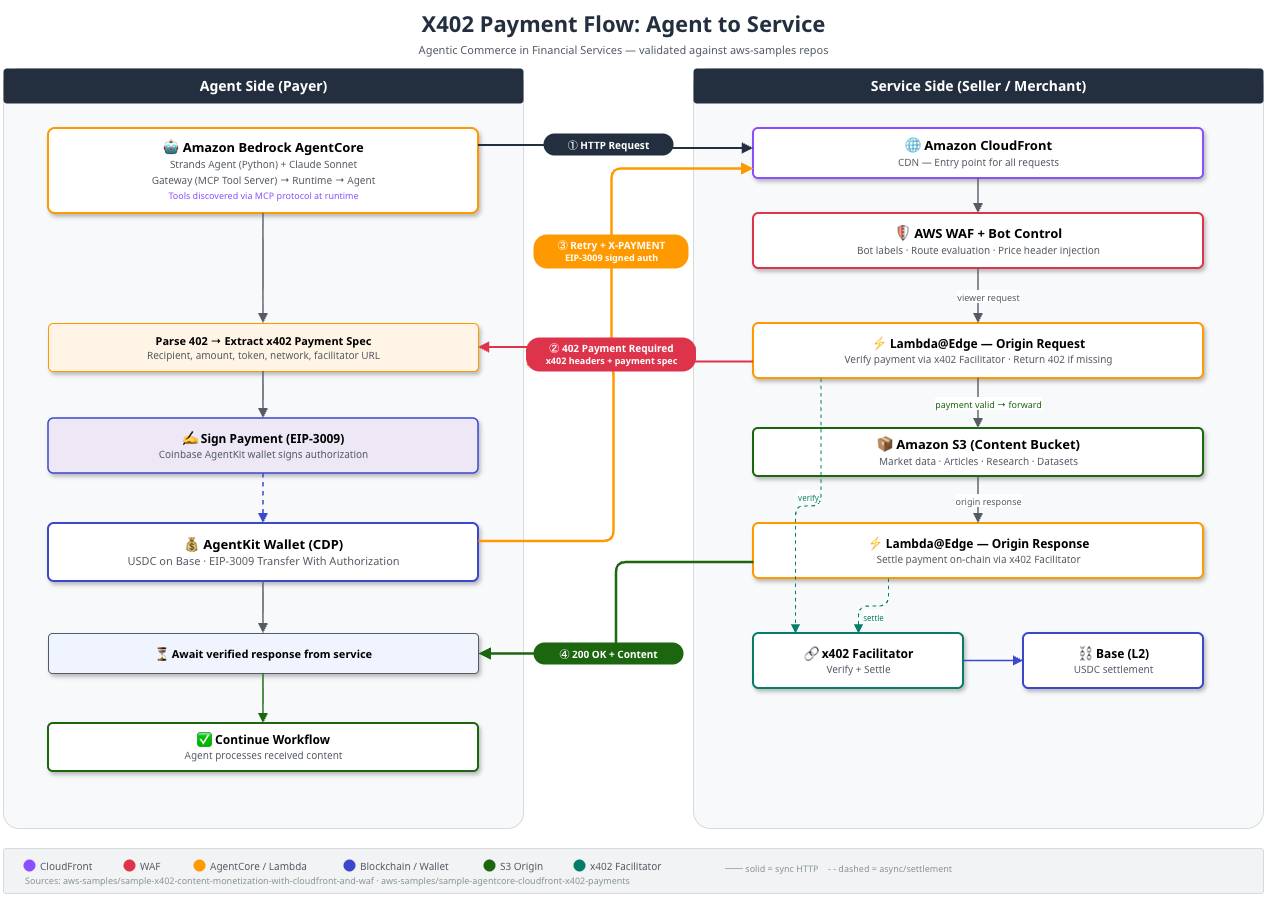
Create an API route that intercepts incoming requests. Before returning any research data, the route must verify that a valid x402 payment token is present in the request header. Use the facilitator to decode and validate this token against the blockchain. If the payment is confirmed and not expired, the route proceeds to fetch the data from your premium source. If the payment is missing or invalid, the route returns a 402 Payment Required error, signaling the client to pay before accessing the feed.
Before going live, test your endpoint using a small test transaction. Send a minimal amount of USDC from a test wallet to your endpoint. Verify that the facilitator correctly logs the payment and that your API returns the expected research data. Check the blockchain explorer to ensure the transaction hash is recorded. This step confirms that your infrastructure can handle real-world traffic and that your payment logic is sound.
Deploy your endpoint to a reliable hosting provider. Set up monitoring to track payment success rates and API latency. x402 endpoints can handle high volumes, but you must ensure your backend does not become a bottleneck. Log failed payment attempts to identify potential fraud or user errors. Regularly review the x402 ecosystem updates for any protocol changes that might affect your integration.
-
Facilitator installed and initialized
-
Wallet and network variables set
-
Payment verification logic implemented
-
Test transaction successful
-
Monitoring and logging active
Common Mistakes That Break x402 Endpoints
Even with a working facilitator, premium research feeds often fail in production due to subtle configuration errors. These mistakes usually stem from treating x402 like a standard REST endpoint rather than a crypto-native payment gateway. Fixing them requires strict adherence to the protocol’s specific requirements for headers, token handling, and response formatting.
Ignoring the x-ai-header Requirement
The most frequent error is omitting the x-ai-header or formatting it incorrectly. This header is not optional; it is the primary carrier of the payment proof and model context. If your endpoint does not parse this header correctly, the request will fail validation before any data is served. Ensure your server explicitly checks for this header and extracts the necessary transaction hash and model identifier from it. Without this, the facilitator cannot verify the payment, and the user receives an error.
Misconfiguring Token and Chain IDs
Premium research feeds often require specific stablecoins like USDC. A common mistake is accepting any ERC-20 token or allowing payments on unsupported networks. Your endpoint must validate that the transaction hash in the x-ai-header corresponds to the exact contract address and chain ID you expect. If you accept USDC on Ethereum but the user pays on Polygon, your validation logic will reject it unless you are explicitly set up to handle cross-chain verification. Define your accepted tokens and chains clearly in your server configuration to avoid ambiguous rejections.
Returning Incorrect HTTP Status Codes
x402 relies on specific HTTP status codes to signal payment success or failure. A common error is returning a generic 200 OK for failed payments or a 500 Internal Server Error for simple validation issues. If the payment is missing or invalid, return a 402 Payment Required status. This tells the client to prompt for payment again. If the payment is valid but the data is unavailable, return a 404 Not Found. Using the correct codes ensures that automated agents and users receive clear, actionable feedback rather than confusing error messages.
FAQ: X402 Endpoints for Premium Research Feeds
Is X402 only for AI agents?
No. While the protocol excels at machine-to-machine micropayments, it works for any HTTP-based application. You can integrate it with standard web or mobile apps to accept USDC payments for premium data access.
How fast do X402 settlements clear?
Transactions settle in approximately 2 seconds on supported networks like Base. This near-instant finality is critical for high-frequency research feeds where latency impacts data value.
Which stablecoins does X402 support?
USDC is the primary standard for X402 payments. Because it operates on low-fee, high-speed blockchains, it minimizes the friction for small, automated transactions typical in research data streams.
Do I need a crypto wallet to use X402?
End-users do not need to manage private keys directly. The X402 facilitator handles the cryptographic signing and payment routing, allowing your API to accept payments seamlessly without exposing wallet complexity to the buyer.
Helpful gear
Use these product recommendations as a starting point, then choose the size, material, and price point that fit how you actually use the gear.
As an Amazon Associate, we may earn from qualifying purchases.
No comments yet. Be the first to share your thoughts!