Why agents need paid data endpoints
AI research agents operate in an environment where information is the primary asset, but high-quality data isn't free to produce. Premium research feeds—real-time market data, institutional-grade analytics, and proprietary financial indicators—require significant infrastructure to maintain. For autonomous agents to function effectively, they need reliable, machine-to-machine access to these resources without human intervention. This is where the x402 protocol changes the game for research infrastructure.
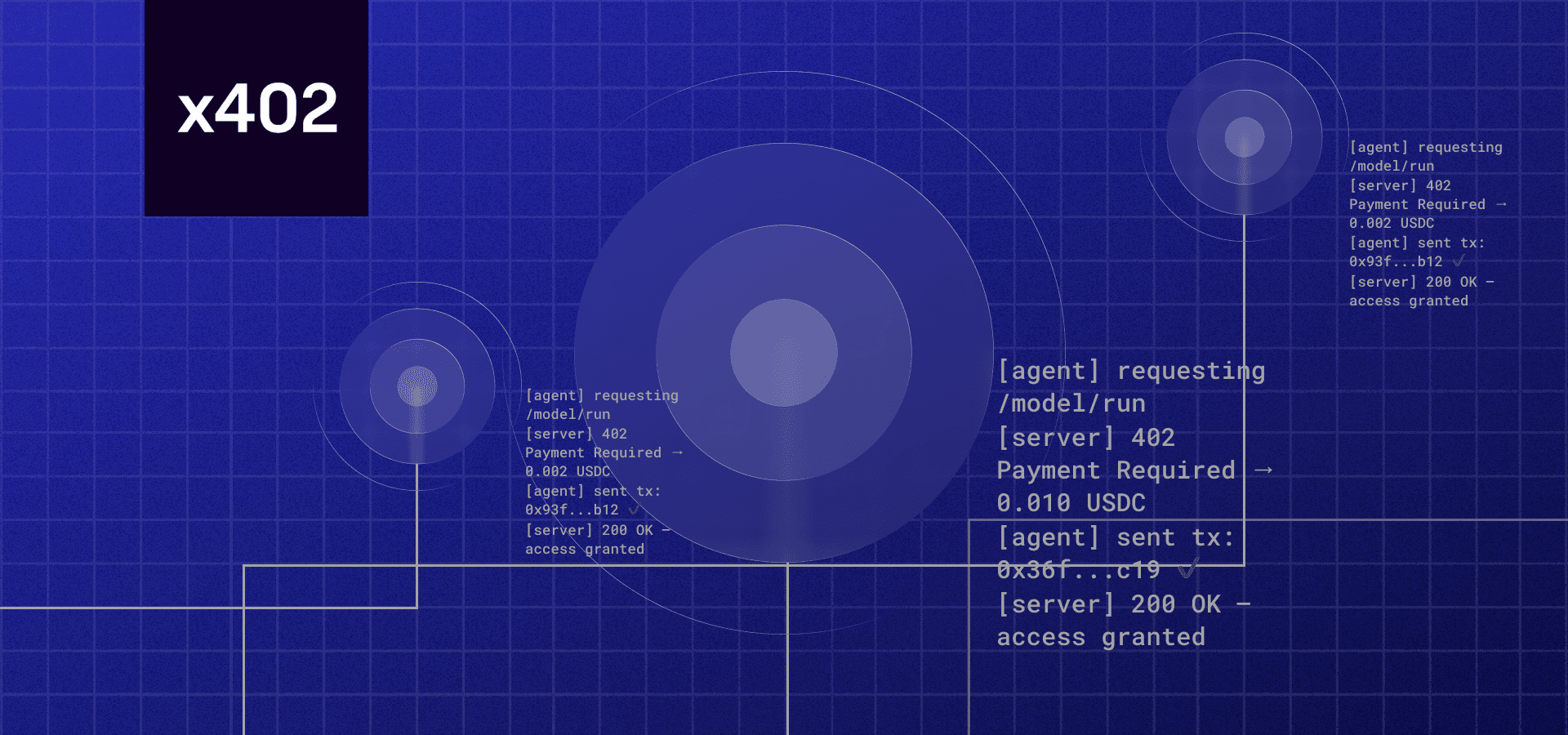
Traditionally, API access required complex key management, rate limiting logic, and often manual billing cycles. An agent querying a premium feed would hit a wall if its subscription lapsed or if it lacked proper authentication credentials. With x402, the payment mechanism is baked into the HTTP response. When an agent requests data, the endpoint responds with a 202 Accepted status and a payment request. The agent pays via cryptocurrency, receives the data, and continues its analysis—all in a single, automated loop.
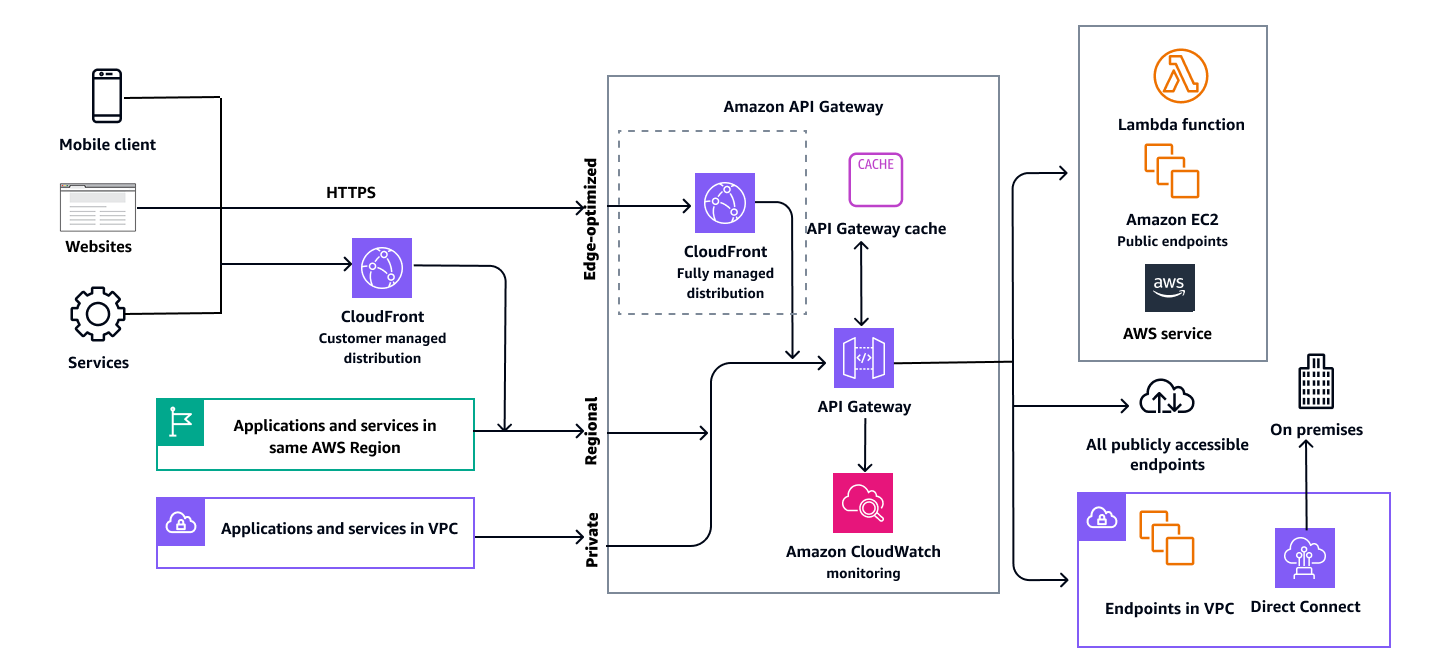
This model is particularly vital for financial services, where data latency and accuracy are paramount. As noted by AWS, x402 enables enterprises to grant AI agents instant access to premium endpoints, removing the friction of traditional API gateways. For developers building agentic commerce infrastructure, this means you can monetize data feeds directly while giving agents the autonomy to purchase the insights they need, when they need them.
How x402 handles agent payments
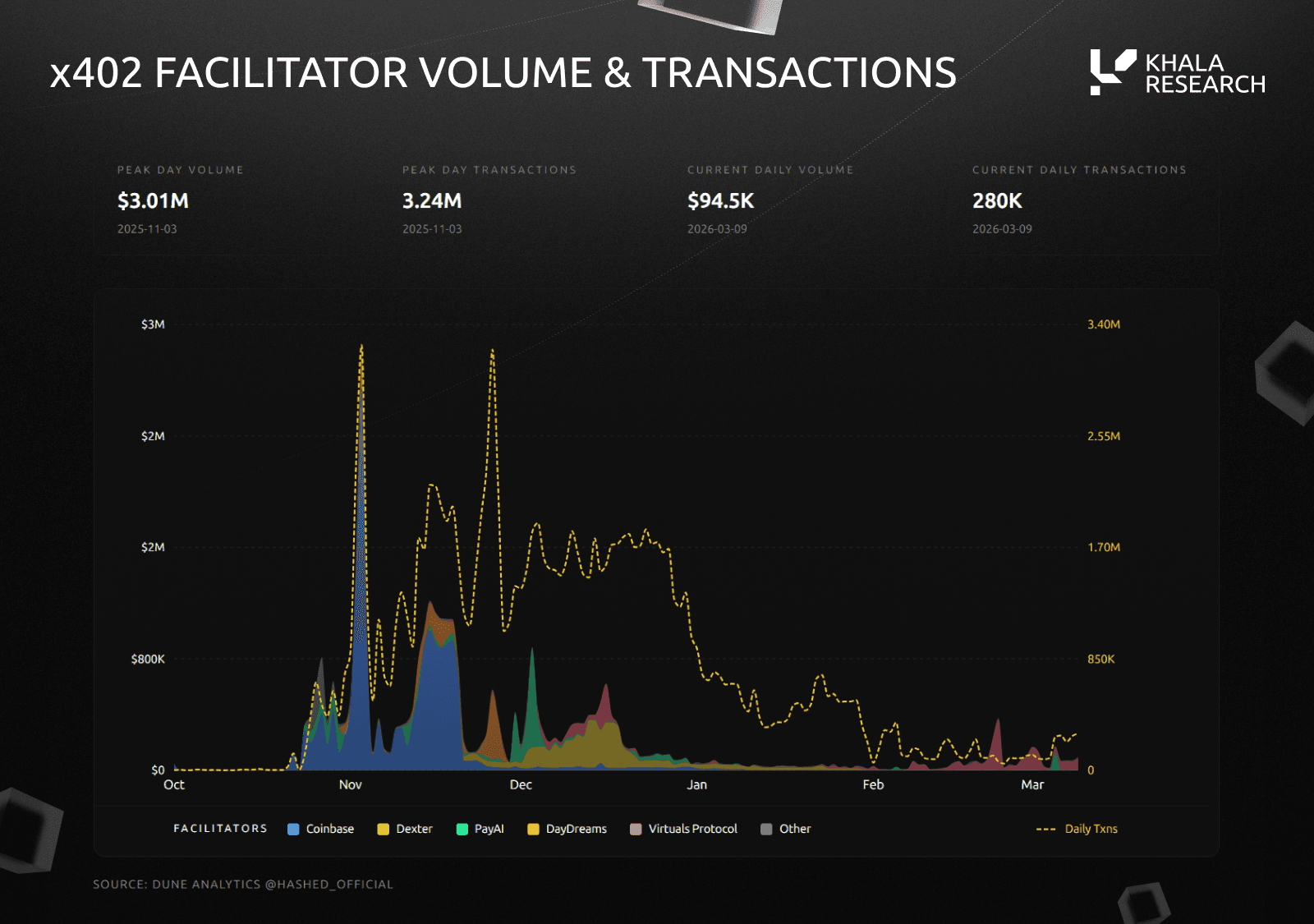
x402 shifts the payment model from manual wallet connections to automated, micro-transactional settlement. Instead of requiring an agent to approve a transaction hash before every API call, the protocol integrates payment verification directly into the HTTP response cycle. This allows AI agents to consume premium research feeds as a utility, where the act of requesting data triggers the payment flow.
The system relies on a facilitator model to bridge the gap between the agent’s intent and the blockchain’s finality. When an agent requests data, it does not pay the endpoint owner directly. Instead, it submits a payment intent to a trusted facilitator. This facilitator validates the agent’s credentials and ensures sufficient funds are available in a specific currency, typically USDC, before forwarding the request to the data provider.
The AI agent sends an HTTP request to the premium endpoint. Alongside the standard headers, it includes a payment payload or intent token that signals its willingness to pay for the data payload.
A facilitator service intercepts the request. It checks the agent’s wallet balance or allowance for USDC on the Base network. If the funds are locked or available, the facilitator signs a payment receipt.
The payment is settled on Base, leveraging its low gas fees for micro-transactions. The facilitator transfers USDC from the agent to a holding escrow or directly to the provider, depending on the trust model configured.

Once the settlement is confirmed on-chain (often within seconds on Base), the endpoint releases the premium research data. The agent receives the JSON response, and the facilitator logs the transaction for reconciliation.
This architecture removes the friction of manual approvals. Agents can operate autonomously, purchasing data streams in real-time as market conditions change. The use of USDC on Base ensures that transaction costs remain negligible, making it economically viable to pay for high-frequency, low-latency research feeds.
Build the research feed infrastructure
To turn a premium research API into a self-funding asset, you need a payment facilitator that handles the transaction logic without breaking the developer experience. The x402 protocol allows your API to accept micropayments directly in the request flow, meaning agents or users can pay for data access before receiving the response.
Setting up this infrastructure involves configuring middleware that intercepts requests, validates payment proofs, and routes traffic based on settlement status. Here is the concrete workflow for getting an x402-enabled endpoint running.
Start by adding the official x402 facilitator package to your project. This SDK provides the core functions needed to validate payment proofs and manage the connection between your API and the blockchain settlement layer. For Node.js environments, this typically involves running a standard package manager command to add the dependency to your package.json.

Security and routing depend on proper environment configuration. You need to set your API keys, wallet addresses, and network identifiers (such as mainnet vs. testnet) in your .env file. The facilitator uses these variables to authenticate transactions and ensure payments are routed to the correct beneficiary account for your research feed.
Initialize the facilitator instance in your application entry point and mount it as middleware before your route handlers. This ensures every incoming request passes through the payment validation layer first. The middleware will inspect the request headers for x402 proof tokens, verifying that the required fee has been committed to the network.
Once the middleware validates the payment proof, your API logic can proceed to fetch and return the premium research data. If the payment is missing or invalid, the middleware will return a 402 Payment Required response, halting the request before it consumes your computational resources. This gatekeeping mechanism ensures that only paying users or agents access the high-value data streams.
By following these steps, you establish a robust infrastructure where your research feed pays for itself. The facilitator handles the complexity of blockchain interactions, allowing you to focus on delivering high-quality data while ensuring every request is compensated.
Top tools for x402 integration
Building an x402-compliant endpoint requires more than just adding a header; it demands a robust middleware layer to handle the Pay-to-Use flow. The ecosystem is maturing quickly, with specific tools emerging to bridge the gap between traditional API infrastructure and on-chain settlement. For premium research feeds, where latency and security are paramount, choosing the right facilitator can make the difference between a smooth agent interaction and a failed transaction.
x402 Facilitator SDKs
The official x402.org ecosystem directory lists several foundational members providing SDKs for Node.js, Python, and Go. These libraries abstract the complexity of signing micropayments and verifying receipts. When selecting a facilitator, prioritize those with active documentation and clear examples for high-throughput research endpoints. The awesome-x402 GitHub repository serves as a curated starting point for finding these integrations, listing open-source implementations like OpenClaw Research API which already supports pay-per-call models for web search and content extraction.
Hardware Security Modules (HSMs)
For fintech-grade security, consider hardware-backed key management. If you are handling high-volume transactions, an HSM ensures that private keys never leave the secure boundary, reducing the risk of compromise during the signing process. While software wallets suffice for testing, production research feeds should leverage dedicated cryptographic hardware to maintain the integrity of the payment layer.
Recommended Developer Resources
To accelerate implementation, several developer-focused tools and books can help you structure your x402 architecture effectively. These resources cover everything from basic agent commerce concepts to advanced API gateway configurations.

As an Amazon Associate, we may earn from qualifying purchases.
Comparison of x402 Tools
Selecting the right tool depends on your specific chain requirements and ease of integration. The table below compares common facilitators based on public documentation and supported ecosystems.
| Tool | Supported Chains | Ease of Use |
|---|---|---|
| Official x402 SDK | Multi-chain (EVM, Solana) | High |
| OpenClaw Research API | EVM | Medium |
| Custom Middleware | Any | Low |
Pricing Strategies for Premium Research Feeds
Monetizing premium data requires aligning cost with the value delivered to your agent. Unlike open feeds, premium endpoints—such as niche crypto news or aggregated ecosystem metrics—demand a pricing model that reflects their scarcity and utility. The x402 specification enables micro-transactions at the API level, allowing you to charge per-call or per-byte without complex billing infrastructure.
For high-frequency use cases, consider a tiered approach. Basic ecosystem data might be free or low-cost, while specialized insights, like real-time yield opportunities or proprietary news aggregates, carry a premium. This structure encourages developers to query only when necessary, reducing noise and increasing the perceived value of each response.
The key is transparency. Agents need to know the cost before execution to make informed decisions. A small fee for a high-value insight is often acceptable if it saves time or capital. As noted in industry analyses, an x402 feed that aggregates critical information into a single queryable endpoint can justify a small additional cost per call, turning data access into a scalable revenue stream.
No comments yet. Be the first to share your thoughts!