What x402 changes for data sellers
Premium research feeds have historically relied on friction: manual API key generation, credit card verification, and identity-based rate limiting. For providers, this creates a bottleneck where administrative overhead outweighs data maintenance. x402 removes this middleman by embedding payment logic directly into the HTTP standard. Instead of a user logging in, an AI agent presents a cryptographic proof of payment with its request. This shifts the paradigm from identity-based access to payment-based access, allowing endpoints to verify proofs and deliver data instantly without human intervention.
This automation is critical for AI agents operating at machine speed. These agents cannot navigate human-centric checkout flows. By using x402 endpoints, data sellers can serve autonomous clients directly, enabling machine-to-machine transactions that were previously impossible due to payment friction.
The infrastructure supporting this shift is active. USDC provides the stability and speed required for high-frequency data transactions. Understanding the current market context helps data sellers estimate transaction volumes.
For developers, the transition requires understanding both cryptographic proof mechanisms and financial settlement layers. While x402 handles the protocol, the underlying blockchain infrastructure ensures final, irreversible payment. This combination of web standards and blockchain settlement creates a robust foundation for premium data markets.


As an Amazon Associate, we may earn from qualifying purchases.
The payment flow mechanics
When you call an x402 endpoint, the server follows a strict four-step handshake to prove payment before granting access. This flow ensures premium research feeds are paid for in real-time using standard HTTP requests.
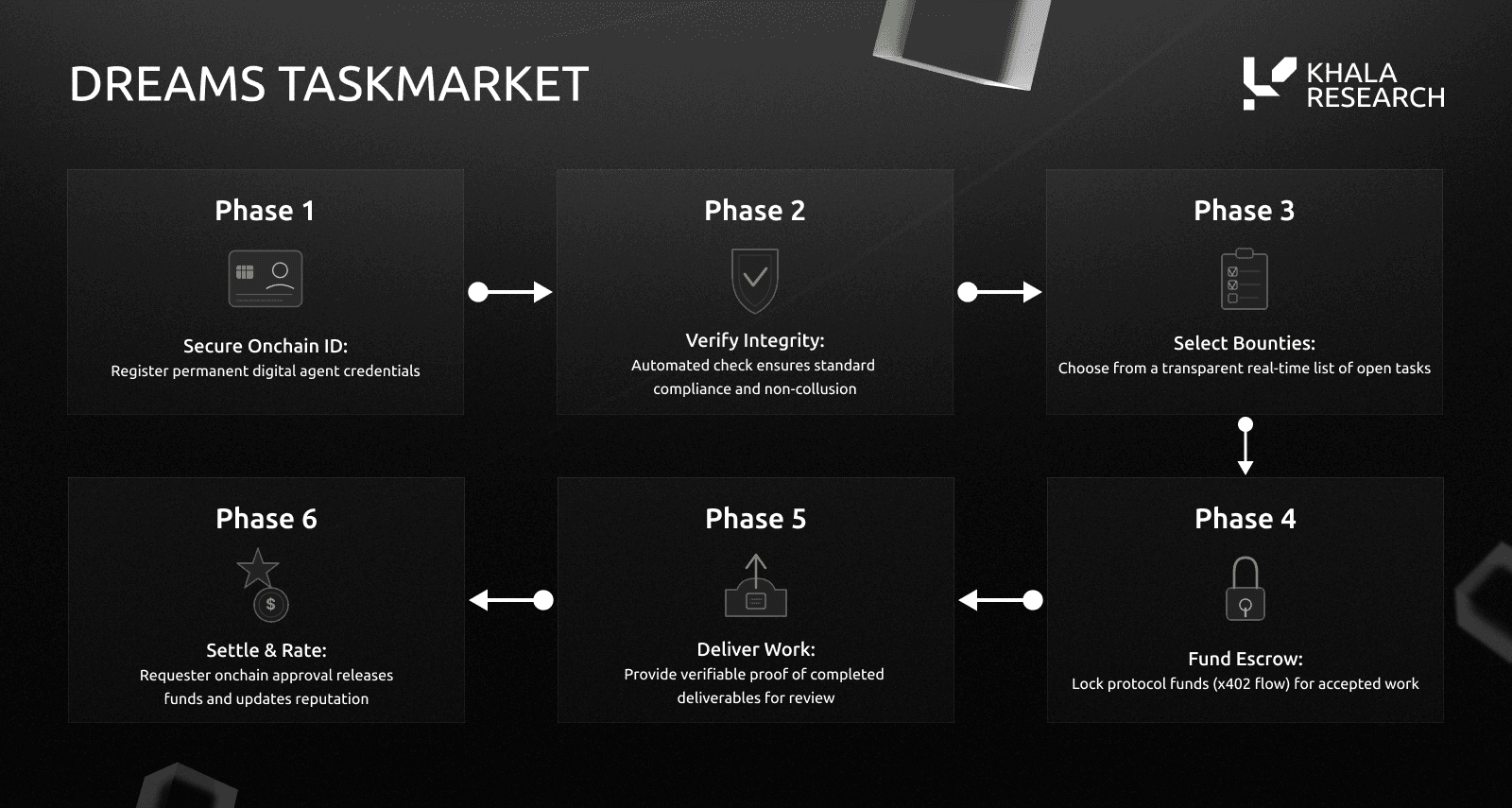
The process begins with a standard HTTP GET request. Your client (Python script or AI agent) sends a request to the endpoint URL. No payment has been made yet. The server recognizes the request as targeting a premium resource and prepares to return a specific error code instead of the data.
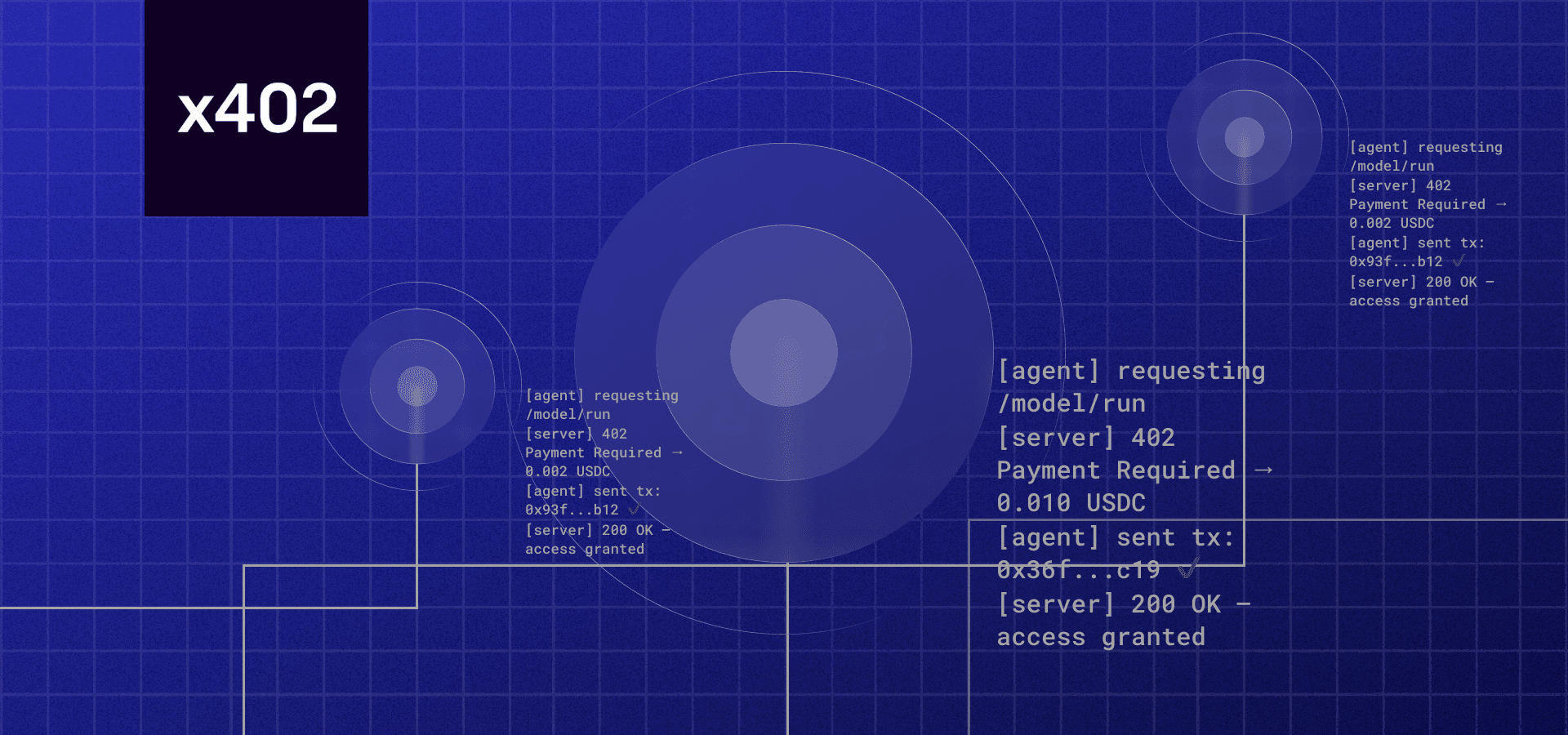
The server responds with an HTTP 402 Payment Required status. Crucially, this response includes metadata in the headers: payment amount, cryptocurrency (usually USDC), destination wallet address, and a unique transaction reference. This tells your client exactly what to pay and where.
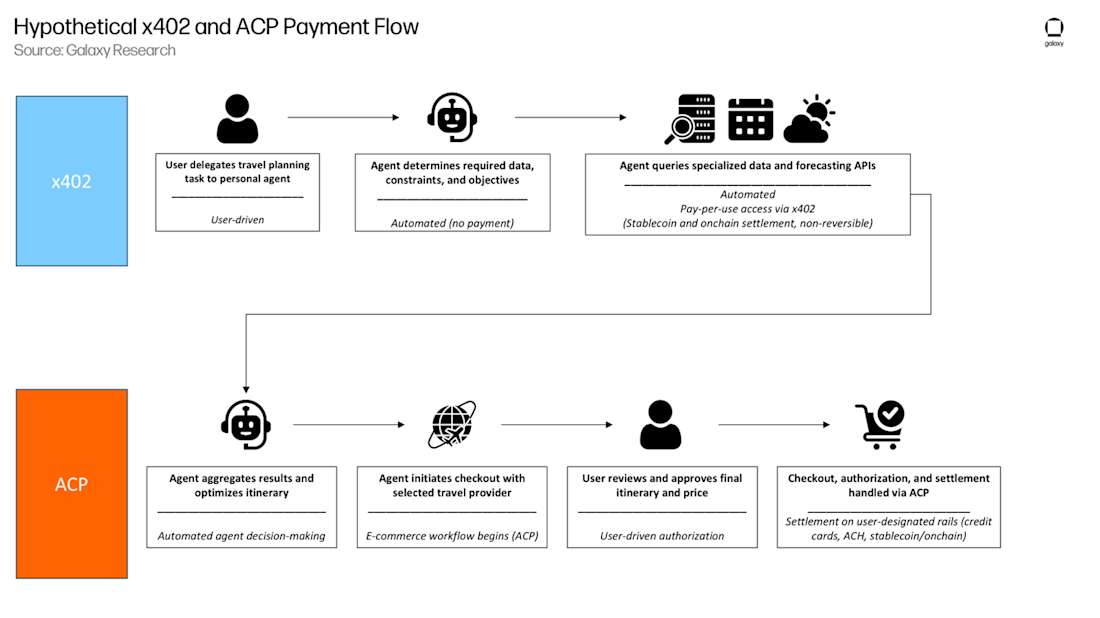
Your client constructs a payment transaction using the details from the 402 response. It signs this transaction with the user's private key or API key, proving ownership of funds. The client then broadcasts this transaction to the blockchain, where the actual value transfer occurs.
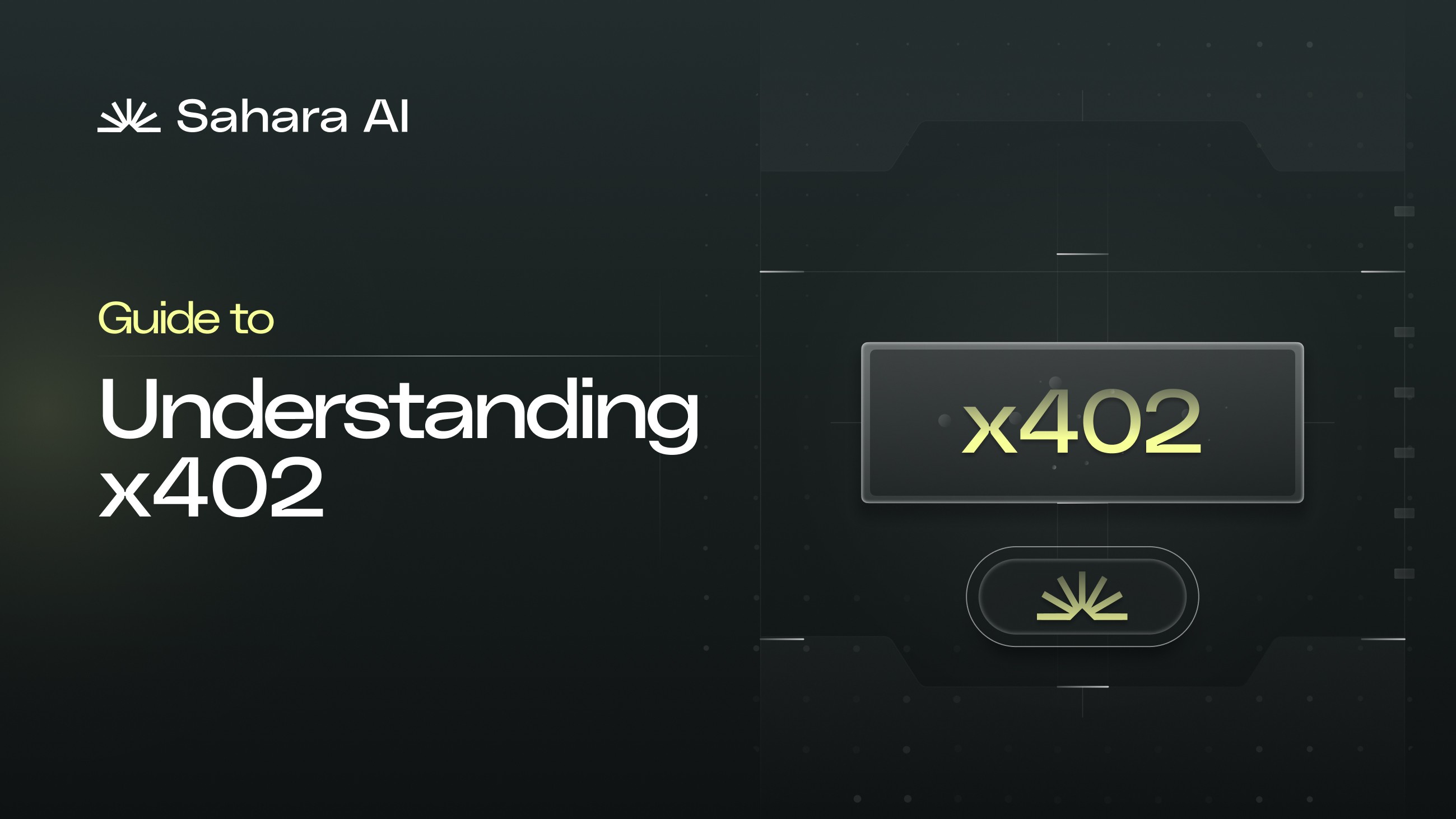
Once the transaction is confirmed (or submitted with a proof of submission), the client retries the original request. It includes a signature or token in the headers proving the payment was made. The server verifies this proof and, if valid, returns the premium research data as a standard HTTP 200 OK response.
This flow is the backbone of how x402 endpoints for premium research feeds operate. By embedding payment logic into the HTTP protocol, developers can monetize data without building complex authentication systems or managing user accounts.
Build the endpoint infrastructure
Setting up an x402-compliant endpoint requires bridging traditional API logic with blockchain settlement. The most reliable path uses Next.js for the serverless layer, Thirdweb for account abstraction, and the Coinbase CDP Facilitator to handle discovery and payment routing. This stack removes the need to manage private keys directly, allowing your premium research feed to focus on data delivery.
Start by defining your API route in a Next.js app, typically app/api/research/route.ts. Middleware should intercept incoming requests to check for the Authorization header containing the x402 payment proof. If the proof is missing or invalid, the endpoint returns a 402 Payment Required status immediately, ensuring no computational resources are wasted on unpaid requests.
To verify payment, you don't need to scan the blockchain manually. The Coinbase CDP Facilitator provides the infrastructure to validate that the required USDC was sent to your designated wallet address. Once validated, the middleware passes the request through to your actual business logic, which fetches the premium research data. This separation of concerns keeps your code clean and secure.
Visualizing the settlement layer
Understanding the flow helps when debugging. The following diagram illustrates how the x402 protocol sits between the client and your server, handling payment verification transparently.
Monitoring stablecoin flows
Since most x402 transactions for research feeds settle in USDC, keeping an eye on the stablecoin's performance is part of the operational routine. The chart below shows the current USDC/USD stability, which is critical for ensuring your pricing remains consistent in fiat terms.
Essential developer tools
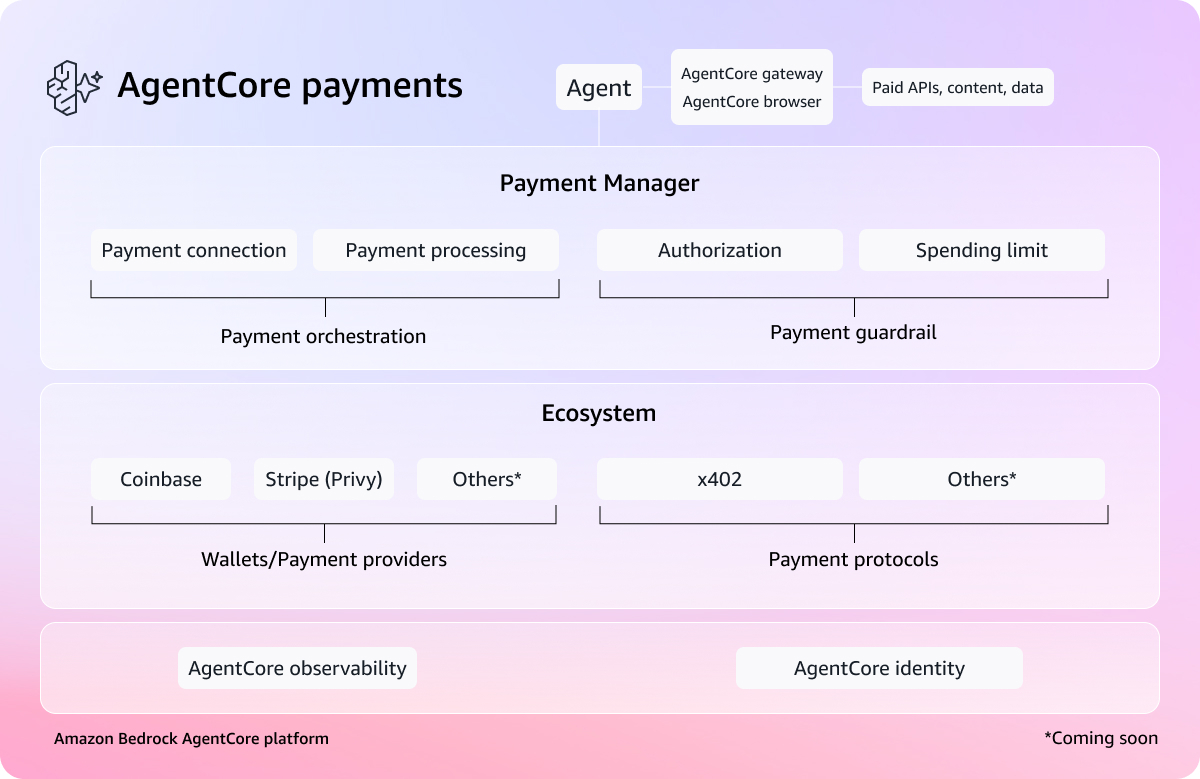
Building this infrastructure requires specific tools. The following resources cover the necessary libraries and documentation for implementing x402 endpoints effectively.

As an Amazon Associate, we may earn from qualifying purchases.
Next steps
With the endpoint built, the final piece is ensuring your service is discoverable. You can register your endpoint with the x402 Bazaar using the Coinbase CDP, allowing AI agents and other clients to find your premium research feed automatically.
Finding x402 Endpoints for Premium Research Feeds
Locating high-quality data sources used to be a matter of sifting through GitHub repositories or checking obscure API directories. With the x402 protocol, discovery is becoming a structured, agent-friendly process. Buyers can now rely on discovery layers like the Coinbase Developer Platform (CDP) Bazaar to find verified, premium research feeds.
The CDP Bazaar acts as a central catalog for x402-enabled services. It allows developers and AI agents to browse and search for endpoints cataloged through the CDP Facilitator. This means you aren't just finding a URL; you're finding a service that has been registered and potentially verified for compliance and functionality. It simplifies the initial search phase, turning a chaotic landscape into a searchable index.
To understand the value of this structured discovery, it helps to compare it with traditional API access models. The shift from manual authentication and invoice-based billing to automated, agent-driven commerce changes how you evaluate and integrate these feeds.
| Feature | Traditional API Access | x402 Agent Commerce |
|---|---|---|
| Discovery | Manual search or directory listings | Centralized catalog (e.g., CDP Bazaar) |
| Authentication | API keys, OAuth, or manual tokens | Cryptographic signatures and wallet auth |
| Billing | Invoices, credit limits, or manual payment | Automated USDC settlement per request |
| Integration | Complex SDK setup and manual testing | Agent-native, programmatic discovery and payment |
The difference in settlement speed is particularly notable. Traditional models often involve credit checks or delayed invoicing, which can bottleneck access to time-sensitive research. x402 endpoints enable instant, automated settlement. This means your AI agent can discover a premium feed, verify its x402 compliance via the Bazaar, and begin fetching data without waiting for human approval or payment processing.
For developers looking to build or integrate these systems, having the right tools is essential. While specific hardware isn't always necessary, robust development environments and educational resources can streamline the adoption process.


As an Amazon Associate, we may earn from qualifying purchases.
As the ecosystem matures, more discovery layers may emerge, but the CDP Bazaar currently provides a reliable starting point. By focusing on these structured catalogs, you can ensure that the premium research feeds you integrate are not only accessible but also compliant with the broader x402 standards. This reduces the risk of integrating broken or non-compliant endpoints, saving time and resources in the long run.
Pre-launch checklist for x402 endpoints
Before you open your premium research feed to the public, run through this final verification. A robust integration of x402 Endpoints for Premium Research Feeds requires strict adherence to the spec to ensure agents can pay and receive data without friction.
Ensure your endpoint returns a 402 Payment Required status when no valid signature is present. This is the core signal that tells an agent wallet it needs to initiate a payment. Without this specific status code, the x402 protocol will fail to trigger the payment flow.
Implement strict validation for the Authorization header. Your server must verify the cryptographic signature against the provided public key before serving any data. Reject any requests where the signature is malformed, expired, or does not match the expected payload.
Verify that your backend correctly processes USDC payments on Base. Use the TechnicalChart below to monitor current USDC volatility, as your pricing logic should account for stablecoin peg stability. Ensure your wallet receives the exact amount specified in the x402 payment intent.

Submit your endpoint to the awesome-x402 repository if you want agents to find your feed automatically. A listed endpoint reduces the onboarding friction for developers looking to integrate premium research data into their autonomous workflows.

As an Amazon Associate, we may earn from qualifying purchases.
No comments yet. Be the first to share your thoughts!