Why x402 fits premium research feeds
Traditional API keys and subscription models create friction for machine-to-machine data transactions. They require manual provisioning, complex billing cycles, and often fail when an autonomous agent needs immediate, programmatic access to high-value information. x402 solves this by embedding payment directly into the HTTP protocol, allowing data to flow the moment a transaction clears.
For premium research feeds—whether it’s real-time market data, specialized AI inference endpoints, or proprietary analytics—this native payment layer removes the need for third-party billing gateways. As an open, neutral standard, x402 lets clients pay exactly for what they consume, instantly and without pre-approval. This is particularly critical for high-stakes financial data where latency and reliability are non-negotiable.
By shifting from a "pay-then-access" or "subscribe-and-access" model to a "pay-and-get" standard, you reduce operational overhead and ensure that your premium research endpoints are accessible only to those who have actually settled the transaction. This alignment of payment and delivery makes x402 the superior choice for automated, high-value data streams.
Set up the payment facilitator
To accept USDC for your research feed, you need a payment facilitator to handle the crypto side of x402. Think of the facilitator as the bridge between your API and the blockchain. It holds the smart contract logic that verifies payments, so you don't have to manage private keys or write complex Solidity code from scratch.
The two most common choices are Stripe (via their x402 builder) or Thirdweb. Stripe is ideal if you want a managed service that handles compliance and fiat off-ramping. Thirdweb is better if you want full control over the smart contract and prefer a self-hosted approach.
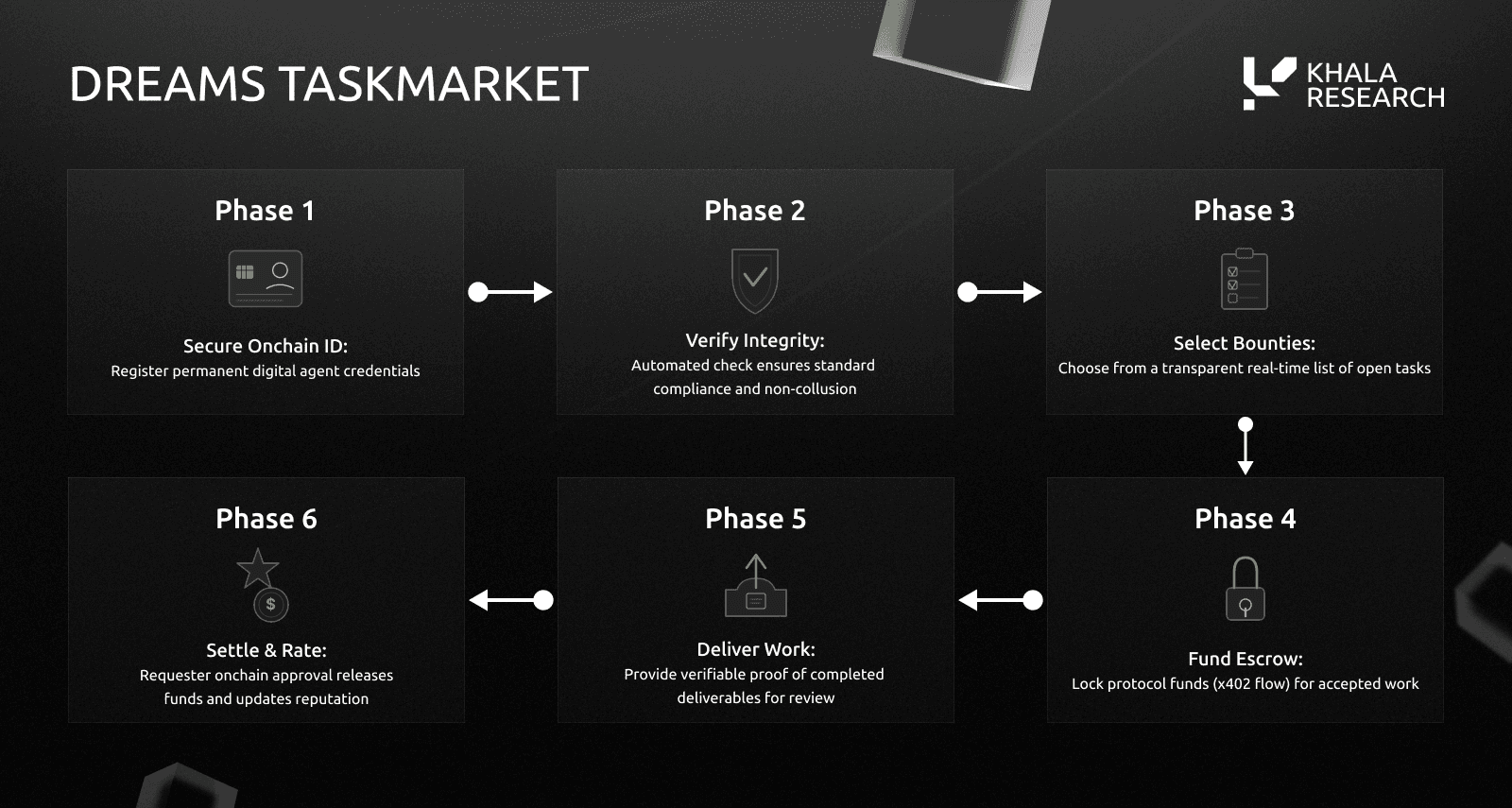
Decide between Stripe and Thirdweb based on your infrastructure needs. Stripe offers a hosted payment interface, reducing your development load but increasing dependency. Thirdweb provides a JavaScript SDK and smart contracts you deploy to your own wallet, giving you more control over the user experience and transaction flow.
Initialize the facilitator in your project. For Thirdweb, install the @thirdweb-dev/contracts and @thirdweb-dev/sdk packages. For Stripe, use their x402 builder CLI to scaffold the endpoint. This step sets up the necessary dependencies to interact with the payment gateway and the blockchain network (usually Polygon or Base for low fees).
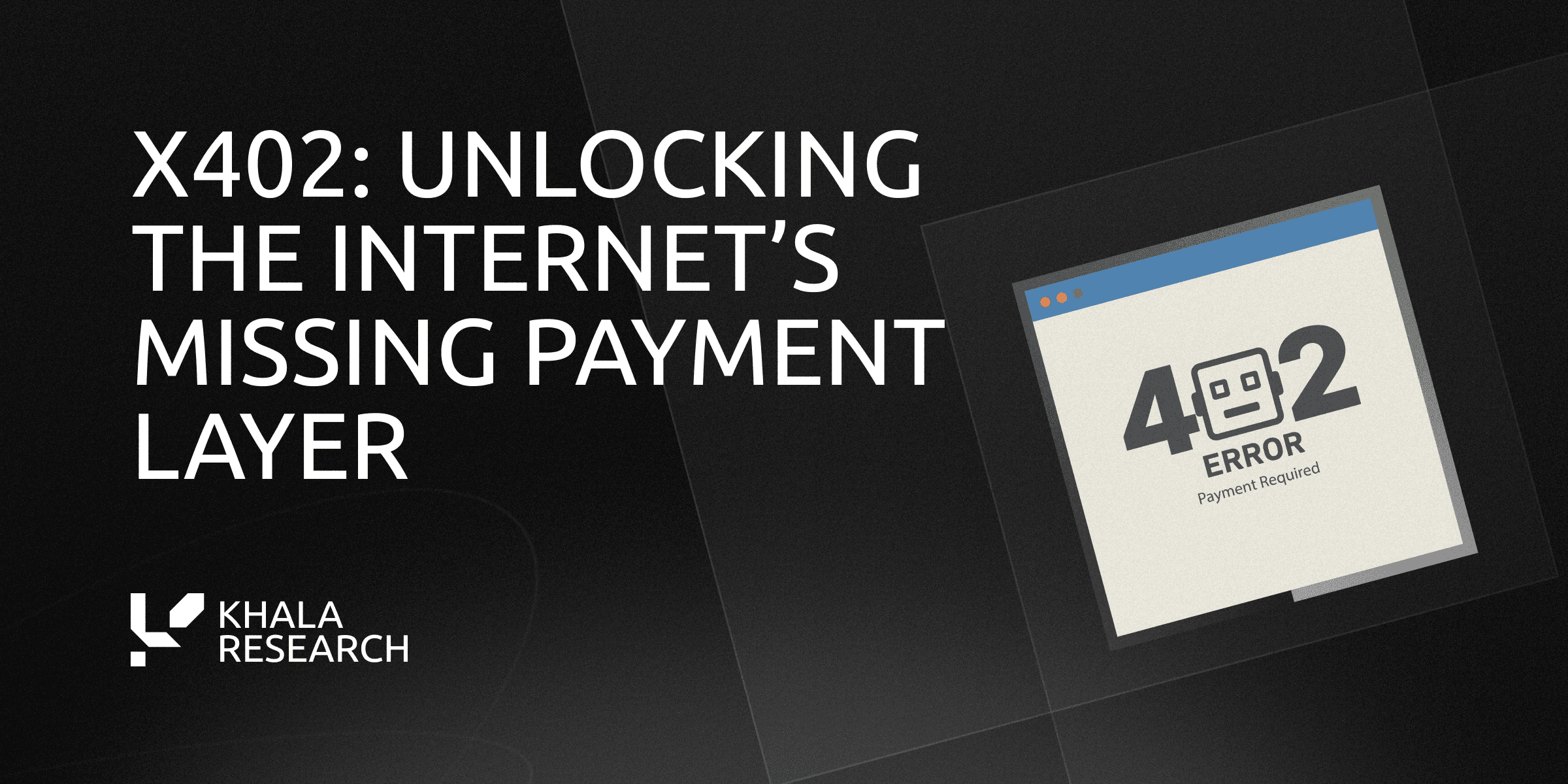
Deploy the payment contract to your chosen testnet first. This contract defines the token (e.g., USDC), the price per unit of data, and the access duration. Ensure you have test tokens in your wallet to simulate payments. Verify the contract deployment address, as you will need this to configure your API endpoint.
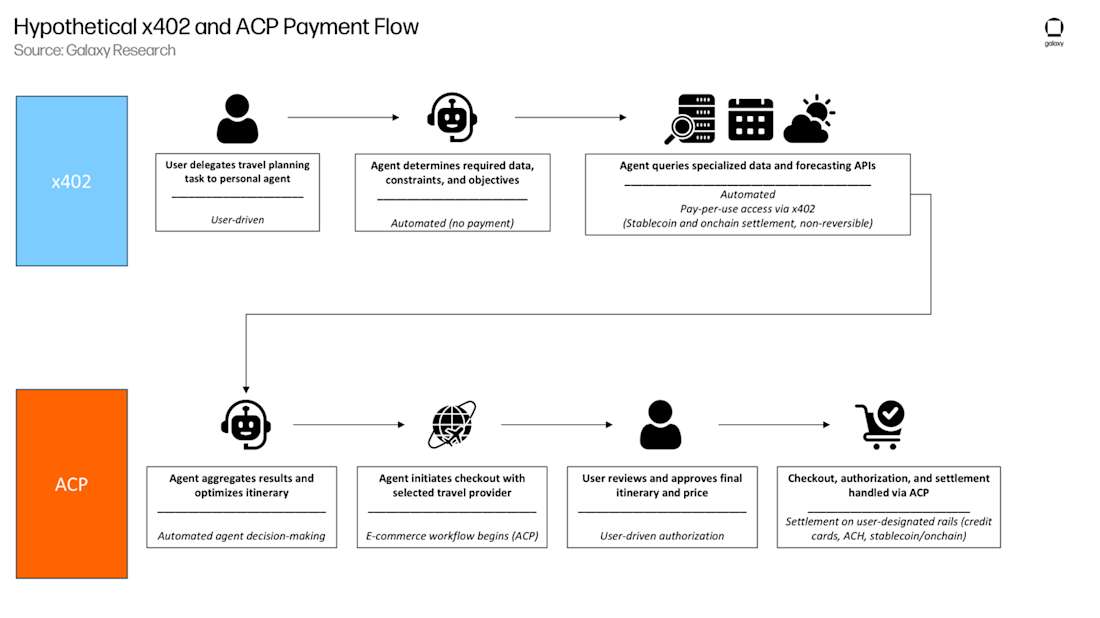
Update your server endpoint to call the facilitator's verification function. When a request comes in, the facilitator checks if the user has paid for the required data. If the payment is valid, it grants access to the premium research feed. If not, it returns a 402 Payment Required error.


As an Amazon Associate, we may earn from qualifying purchases.
Implement the x402 middleware
To monetize your research feed, you need a middleware layer that sits between the incoming HTTP request and your data handler. This middleware intercepts the request, checks for a valid payment proof in the x-payprov header, and either grants access to the data or returns a payment prompt.
The x402 protocol replaces traditional API keys with a cryptographic proof of payment. When a client (like an AI agent or a premium user) requests data, they must include a signed transaction in the request header. Your middleware validates this signature against the expected payment address and amount. If the proof is valid and the payment is confirmed, the request proceeds. If not, the middleware returns a 402 Payment Required status with instructions on how to pay.
Step 1: Set up the middleware structure
Begin by creating a middleware function that can be attached to your API routes. This function should accept the standard request and response objects. The primary job here is to extract the x-payprov header from the incoming request. If the header is missing, you can immediately return a 402 response with a JSON body containing the payment instructions, such as the required amount, currency, and payment address.
async function x402Middleware(req, res, next) {
  const paymentProof = req.headers['x-payprov'];

  if (!paymentProof) {
    return res.status(402).json({
      error: 'Payment Required',
      instructions: {
        amount: 0.001,
        currency: 'BTC',
        address: 'bc1q...',
        proofHeader: 'x-payprov'
      }
    });
  }

  // Continue to validation
  req.paymentProof = paymentProof;
  next();
}
Step 2: Validate the payment proof
Once you have the proof, you need to verify its authenticity. This involves checking the cryptographic signature attached to the proof. The signature ensures that the payment was actually initiated by the sender and hasn't been tampered with. You can use a library like bitcoinjs-lib for Bitcoin-based proofs or the appropriate SDK for your chosen cryptocurrency.
The validation process typically involves:
- Parsing the proof structure to extract the transaction ID and signature.
- Verifying the signature against the public key of the sender.
- Checking that the transaction amount matches the required fee for the research data.
- Confirming that the transaction has reached the necessary number of blockchain confirmations.
If any of these checks fail, reject the request with a 402 error. If they pass, attach the validated payment details to the request object for downstream use.
Step 3: Grant access to the research data
After successful validation, the middleware calls next() to pass control to your actual data handler. At this point, you can trust that the payment has been made. You can now query your research database and return the premium data to the client.
To prevent replay attacks, it's good practice to log the transaction ID of each successful payment. This allows you to implement rate limiting or one-time-use tokens if your research data is highly sensitive. For example, you might restrict access to a specific dataset to one payment per day per user, or issue a unique token for each query that expires after a short period.
By implementing this middleware, you create a secure, automated payment gateway for your research feed. Clients can access your data seamlessly through standard HTTP requests, while you maintain full control over who pays and how much they pay.
Structure the research data payload
Once the client has the 402 Payment Required response, they need to know exactly how to consume the data you are about to send. For premium research feeds, clarity in your data structure is not just a convenience—it is a requirement. Your endpoint must return a standardized format, typically JSON for real-time market data or CSV for bulk historical exports, ensuring the client can parse the response without additional middleware.
Define the JSON Schema
Start by defining a strict schema for your JSON payload. Include metadata fields such as timestamp, source_id, and data_version alongside the core research data. This allows clients to validate the freshness and origin of the information before processing it. For example:
{
  "timestamp": "2023-10-27T10:00:00Z",
  "source_id": "premium_feed_v1",
  "data": {
    "ticker": "AAPL",
    "price": 175.50,
    "volume": 5000000
  }
}
This structure aligns with how x402 endpoints typically handle resource access, where the payload itself is the licensed asset [[src-serp-2]]. By keeping the schema consistent, you reduce integration errors for developers who are paying for your data.
Secure Delivery via HTTP
The x402 protocol relies on standard HTTP mechanics to verify payment before granting access. When a client sends a request, your server should first validate the x402-proof header. If the proof is valid, you return a 200 OK status with your data payload. If the proof is missing or invalid, you return a 402 Payment Required status, optionally including a x402-accept header that specifies which payment methods or tokens are accepted.
This approach ensures that your premium research is delivered securely and only to verified payers. It also simplifies the integration for clients, as they can use standard HTTP libraries to handle both the payment verification and data retrieval in a single request flow [[src-serp-7]].
Handle Large Data Sets
For larger research datasets, consider chunking your responses or offering a streaming endpoint. If you are delivering CSV files, ensure the file is compressed (e.g., gzip) to reduce transfer times. Always include a Content-Disposition header to suggest a filename, making it easier for clients to save the data locally.
By structuring your payload clearly and leveraging the built-in security of x402, you provide a professional, reliable service that justifies the premium price point.
Test the endpoint with a client
Now that your x402 endpoint is running, you need to verify it accepts payment proofs correctly. This step confirms that your server validates the x-payment-proof header and releases the premium research data only after successful verification.
We will use a simple curl command to simulate a client request. This method lets you inspect the raw HTTP response, including headers and status codes, without building a full frontend interface.
Before making the request, ensure you have a valid x-payment-proof string. This is typically generated by your facilitator (like Thirdweb or a custom agent) after a successful on-chain transaction. The proof contains the transaction hash, token details, and signature required for validation.
Use curl to send a POST or GET request to your endpoint URL. Include the x-payment-proof header with your generated string. For example:
curl -X GET https://your-api.com/premium-research \\
  -H "x-payment-proof: <your_generated_proof_string>" \\
  -H "Content-Type: application/json"
This command mimics how an AI agent or premium client would interact with your API. The facilitator handles the complex cryptographic signing, so you only need to pass the resulting proof string.
Check the HTTP status code. A successful validation should return 200 OK along with your premium research data. If the proof is invalid, expired, or missing, the server should return 402 Payment Required or 401 Unauthorized, depending on your error handling logic.
Inspect the response body to ensure the data is correctly formatted and accessible. If you see an error, check your server logs for details on why the proof failed validation.
This test confirms your endpoint is secure and ready for production traffic. For more details on the x402 protocol structure, refer to the official x402 documentation.
Common mistakes to avoid
Even with a solid x402 implementation, small oversights can break payment flows or expose your endpoint to abuse. Since x402 relies on on-chain proofs rather than traditional API keys, the validation logic requires precise attention.
Ignoring header validation is the most frequent error. Your endpoint must strictly verify the x-payment-proof header. If you accept requests without this header or fail to parse it correctly, you risk providing free access to premium research data. Treat the proof as a mandatory gate, not an optional feature.
Incorrect gas estimation can also cause silent failures. If your smart contract interactions require more gas than the user estimates, the transaction will revert. Ensure your gas limits are calculated dynamically based on current network conditions, not hardcoded static values.
Security vulnerabilities in your proof verification logic are critical. Ensure you are using the latest official libraries for signature verification. Relying on outdated or unofficial implementations can leave your endpoint open to replay attacks or signature forgery. Always reference the official x402 developer guide for the most current security standards.
Launch readiness checklist
Before you send your premium research feed into production, run through this verification list. A single misconfigured header or unchecked signature can block legitimate AI agents or expose your endpoint to replay attacks.
-
Response structure: Ensure every 402 response includes the x-payment-required header and a valid x-payment-intent token. Invalid tokens should return 400, not 402.
-
Signature verification: Test that your endpoint correctly validates the x-payment-signature against the transaction hash. Use a testnet wallet to simulate a real payment.
-
Idempotency: Verify that duplicate requests with the same valid signature do not trigger multiple payments or data leaks. The endpoint should reject or ignore repeated signatures.
-
Error handling: Confirm that malformed requests return clear 400 errors with actionable messages, helping developers debug integration issues without exposing internal logic.
-
Rate limiting: Apply strict rate limits to 402 responses to prevent denial-of-service attacks while allowing legitimate high-volume agent traffic.
-
Logging: Ensure payment events, signature validations, and errors are logged with sufficient detail for auditing but without storing sensitive wallet addresses.
Refer to the official x402 documentation for the latest specification on header formats and signature standards. Running these checks ensures your endpoint behaves predictably under load.
No comments yet. Be the first to share your thoughts!